How to Avoid Plumbing Scams: Tips for Hiring a Reputable Pro
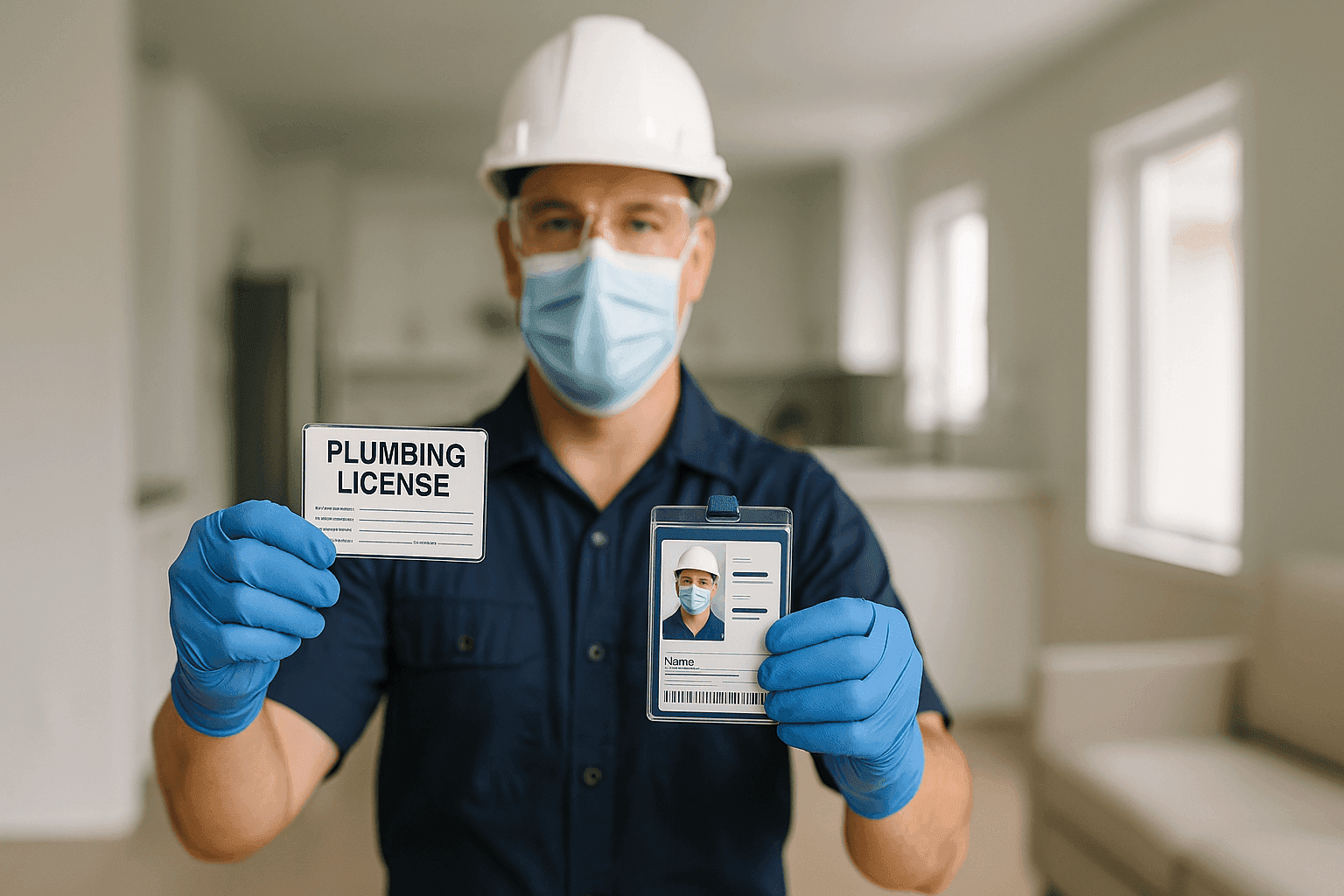
Have you ever heard a plumbing story that made your stomach drop? Pipes burst, water everywhere, and a so-called “pro” who left things worse than before. If you’ve ever felt uneasy letting someone into your home to fix a leak or a clog, you’re not alone.
At Real Flow Plumbing, we know how scary it can be to trust the wrong person. That’s why we believe in transparency, professionalism, and helping our neighbors avoid costly missteps. Let’s break down how you can spot the real deal—and steer clear of plumbing scams—before you hand over your keys or your cash.
What Can Go Wrong? Plumbing Scams in the Real World 🚨
Plumbing issues are stressful. Scammers know this. They pop up when you’re at your most vulnerable—after hours, in an emergency, or when a slow leak suddenly becomes a river across your kitchen floor.
Here are some common plumbing scams homeowners run into:
- The “Too Good to Be True” Deal: A lowball offer, fast talk, then surprise fees for “unforeseen problems.”
- Upfront Cash Demands: Payment required before work starts, then the plumber disappears or barely does the job.
- Unlicensed, Uninsured Operators: They might have a van and some tools, but no credentials or coverage if something goes wrong.
- Unnecessary Repairs: Claiming your whole system needs replacing when only a small fix is needed.
- High-Pressure Tactics: Rushing you to say yes, or warning of disaster if you don’t agree immediately.
The result? Shoddy work, wasted money, and more damage to your home.
Quick Safety Checklist: Before You Hire Anyone
Stay safe. Before letting a plumber touch your pipes, run through this checklist:
- Ask for a License: Request to see a current plumbing license. Check the number with your state or local board.
- Verify Insurance: Make sure they carry liability and worker’s comp insurance. This protects you if there’s an accident.
- Look Up Reviews: Read recent reviews—not just the ones on their website. See what your neighbors say.
- Get a Written Estimate: Insist on a detailed, written quote before work begins.
- Check Company Info: Confirm a real business address and working phone number.
- Ask About Experience: How long have they been fixing pipes or installing water heaters?
- Check Certifications: If you need Gas Safety Checks near you, ensure the plumber is certified for gas work.
- Review Product Warranties: For installations like water heaters or filtration systems, ask about equipment warranties.
A trustworthy plumber won’t dodge these questions.
DIY or Call a Pro? Knowing When to Step Back
Some plumbing jobs are perfect for a Saturday afternoon—tightening a loose tap, plunging a stubborn toilet, or replacing a simple showerhead. But when water is spraying, gas lines are involved, or you’re staring at a maze under the sink, it’s time to call a professional.
Ask yourself:
- Does it involve gas, sewage, or main water lines? These require permits and expert handling.
- Are you risking more damage? DIY can turn a drip into a flood if you’re not careful.
- Is it covered by code or safety regulations? For example, gas work must meet local and national safety codes (see the Uniform Plumbing Code).
- Is it an emergency? For immediate help, find Emergency Plumbing near me in Mililani Town, Hawaii.
When in doubt, phone a pro.
What True Professionals Do When They Arrive
A reputable plumber will:
- Show up on time and in uniform (or at least with company ID).
- Inspect the problem thoroughly, not just glance and guess.
- Explain what’s wrong in plain language.
- Provide a clear, written estimate and answer your questions.
- Mention if permits or inspections are needed, especially for pipe installation or major repairs.
- Treat your home with respect—shoe covers, clean-up, and polite conversation.
You should never feel rushed or pressured.
Red Flags: Spotting Trouble Early 🛑
Be on the lookout for these warning signs:
- No written estimate. If they won’t put it on paper, walk away.
- Cash-only or big deposits upfront. Standard is a small deposit or payment after work is done.
- Refusing to show credentials. Licenses and insurance should be easy to provide.
- No business address. A real company will have a physical presence—not just a cell phone.
- Generic vehicles or no branding. While some pros use personal vehicles, be wary if there’s no identification at all.
- “Today only” pricing. High-pressure sales tactics are a red flag.
If anything feels off, trust your gut.
Prevention and Maintenance: Your Best Defense
An ounce of prevention beats a pound of repairs. Keep your plumbing in good shape with these habits:
- Schedule regular inspections (especially for older homes or before buying/selling).
- Don’t ignore small leaks or slow drains—they can signal bigger issues.
- Install water alarms near hot water heaters, sump pumps, or under sinks.
- Know where your main shutoff valve is. Teach your family, too.
- Consider annual Gas Safety Checks near you if you have gas appliances.
- Invest in preventative maintenance—like pipe installation upgrades for aging systems.
Regular care keeps the scammers away and your home dry.
Costs and Time: What to Expect
No one likes surprises, especially on the bill. While honest plumbers can’t give exact quotes without seeing the problem, they can offer clear ranges and timelines.
Factors that affect cost and timing:
- Emergency vs. scheduled: After-hours calls cost more. Plan ahead when you can.
- Severity of the issue: A quick fix is cheaper than pipe replacement.
- Parts and equipment: Some repairs need specialty parts.
- Permits and inspections: For major jobs, these can add time and expense.
Always ask for a breakdown—labor, materials, and any extra fees. Reliable plumbers are upfront about what’s included.
When It’s an Emergency: Don’t Panic
Water pouring from the ceiling? Strange smells from your gas line? Stay calm.
- Shut off your main water or gas supply if it’s safe.
- Take photos for your records (and insurance).
- Don’t let fear rush you into hiring the first available plumber without checking credentials.
For true emergencies, choose a company known for emergency plumbing. Fast response matters, but so does quality.
FAQ: Homeowner Questions Answered
Do I need a permit for plumbing work in my home?
Many major plumbing jobs—like repiping, water heater installation, or sewer line work—require permits. Always ask your plumber, and check local codes.
How do I check a plumber’s license?
Contact your state’s licensing board or local building department. They can verify if a plumber is licensed and in good standing.
Is insurance really necessary?
Yes. Liability insurance protects your home. Worker’s comp protects you from being on the hook if someone gets hurt on your property.
How soon should I schedule leak repairs?
Don’t delay. Even small leaks can cause mold, rot, and water damage if ignored.
Local and Seasonal Tips: Stay Ahead of Trouble 🌧️
Every region has its quirks. In humid or rainy climates, sump pumps and backflow prevention matter. In older neighborhoods, pipes may be prone to corrosion or root intrusion.
Seasonal tips:
- Inspect pipes before winter to prevent freezing and bursts.
- Clean drains and gutters before rainy season.
- Schedule backflow testing if you notice water pressure changes after storms.
Stay aware of your home’s unique challenges. A little planning keeps your peace of mind intact.
Plumbing problems don’t have to end in disaster—or with regret. Do your homework, ask the right questions, and trust professionals who put your safety first. Real Flow Plumbing is here for you, whether it’s a quick fix or a midnight emergency.
Call Real Flow Plumbing now — or reach us anytime at 877-879-7039 .