Backflow Prevention Devices: Types and Maintenance Tips
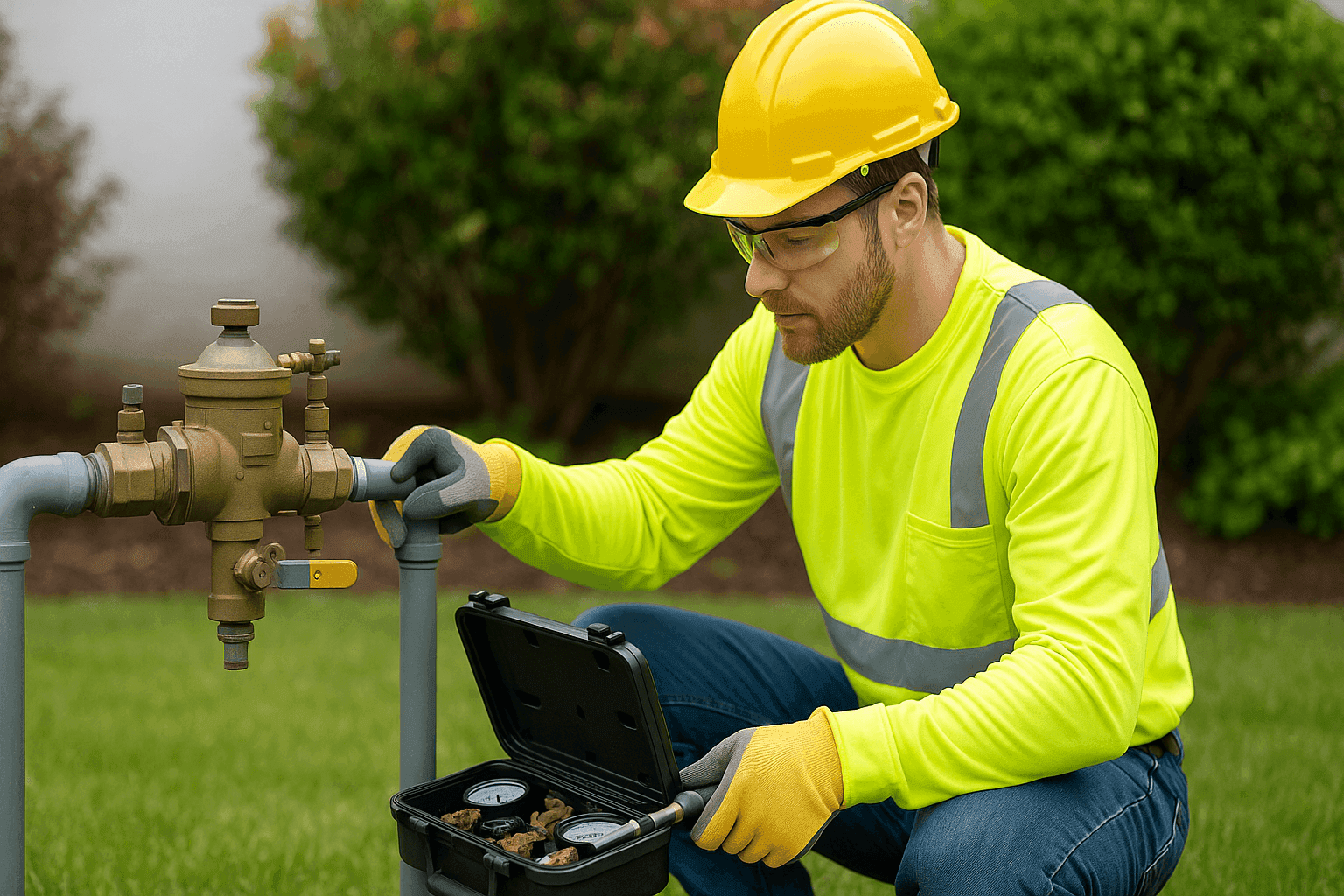
Water should only flow one way through your home’s pipes. But sometimes, the unexpected happens—a sudden drop in pressure, a faulty valve, or a burst pipe—and suddenly, contaminated water can sneak back where it doesn’t belong. That’s why backflow prevention matters. It’s not just another line on a plumbing checklist. It’s a legal requirement and a health safeguard for every family.
At Real Flow Plumbing, we know how vital it is to keep your water clean and your system up to code. Whether you’re looking for backflow prevention, backflow testing, or just honest advice, you’re in the right place.
What Is Backflow—and Why Worry About It?
Think of your plumbing like a one-way street. Fresh water comes in, waste flows out. But a sudden change in pressure—say, from a burst water main or a fire hydrant running full blast—can flip the script. Water (and anything mixed with it) can reverse direction and seep into your drinking supply. That’s called backflow.
Backflow isn’t just gross. It can bring fertilizers, soap, sewage, or even chemicals into your kitchen tap. That’s why building codes across the U.S. require backflow prevention devices for certain fixtures and systems. The CDC and the Uniform Plumbing Code both stress backflow prevention as a top public health priority.
Main Types of Backflow Prevention Devices 🚰
Backflow devices are like security guards at your plumbing’s most vulnerable doors. Here are the big three you’ll see in most homes:
Air Gap
- The simplest and most reliable method.
- Just a physical space between your water outlet and the flood level of a fixture (like the faucet above your sink).
- Used anywhere you fill sinks, tubs, or tanks—think of the space between your kitchen faucet and the top of the sink.
Reduced Pressure Zone (RPZ) Assembly
- High-level protection for higher-risk scenarios (like irrigation systems or boilers).
- Has two check valves and a relief valve that opens if either check fails.
- Required by code for most cross-connection points with chemicals, fertilizers, or other contaminants.
Double Check Valve Assembly
- Two check valves in series for double-layered defense.
- Used on fire sprinkler systems, some irrigation setups, and other moderate-risk plumbing connections.
- Easier to install than an RPZ, but not for the highest-risk connections.
Each device serves a different purpose. The right choice depends on where and how you use water in your home.
Where Are These Devices Used?
You’ll find backflow prevention devices in places like:
- Lawn irrigation systems (especially with fertilizer injectors)
- Outdoor hose bibs or spigots
- In-ground swimming pools and hot tubs
- Boilers and radiant heating systems
- Fire sprinkler lines
- Anywhere your plumbing could touch anything unsafe
If you’re not sure, a licensed plumber can spot the risk areas quickly. For more info on local regulations, the Uniform Plumbing Code and your city’s building department are great resources.
Quick Safety Checklist
- Check for air gaps at all sinks and tubs.
- Inspect outdoor spigots for vacuum breakers.
- Make sure irrigation systems have the proper device (often RPZ or double check).
- Verify annual testing for any mechanical device—required by law in many areas.
- If you notice water discoloration, odd smells, or a sudden drop in pressure, call a plumber right away.
DIY vs. Call a Pro
Some things you can check yourself. Others need a licensed eye.
DIY:
- Look for visible air gaps.
- Check for leaks or corrosion around devices.
- Read your water meter for unexplained usage.
Call a pro for:
- Installing, repairing, or replacing mechanical backflow devices.
- Annual testing and certification (required for RPZs and double checks).
- Anything involving gas lines, boilers, or sewer connections.
Backflow devices are like parachutes—they only matter when they work. Don’t gamble with your family’s water.
What Pros Do On Arrival
When you call Real Flow Plumbing for backflow prevention, here’s what we’ll do:
- Inspect your home for cross-connections and risk points.
- Recommend the right device for each area, based on local code.
- Install, test, and certify the device. We handle all paperwork.
- Set up annual reminders for testing, so you stay compliant.
- If repairs are needed, we use manufacturer-approved parts only.
We follow American Society of Sanitary Engineering (ASSE) and Uniform Plumbing Code guidelines every step of the way.
Prevention & Maintenance: Keep It Working
Backflow prevention isn’t “set it and forget it.” Here’s how to keep your system reliable:
- Annual Testing: Most cities (including Philadelphia, Pennsylvania Backflow Prevention) require annual tests. A certified plumber checks valves, seals, and gauges.
- Visual Checks: Look for leaks, rust, or drips monthly.
- Winterization: In cold climates, protect outdoor devices from freezing. A burst backflow device can’t protect anything.
- Repairs: Never skip a repair. A faulty device is as bad as no device.
- Documentation: Keep your test records. You may need them to sell your house or pass an inspection.
Costs & Time Factors
- Installation: Most residential backflow devices take 1–3 hours to install, depending on site access.
- Testing: Annual tests usually take less than an hour.
- Maintenance/Repairs: Small fixes are quick. Major repairs or replacements may require device-specific parts.
Costs depend on the device type and your system’s complexity. It’s always less than the cost of water contamination or fines for non-compliance.
When It’s an Emergency
- Water is backing up into sinks or tubs
- You see sewage or dirty water at fixtures
- Strong, sudden drop in water pressure
- Visible leaks around backflow devices
Turn off your main water supply and call Real Flow Plumbing immediately. Fast action can save your pipes and protect your family’s health.
FAQs
Do all homes need backflow prevention devices?
Not every home needs a mechanical device, but all are required to prevent backflow by law. Risk areas (like irrigation, pools, or boilers) almost always need a certified device.
How often should backflow devices be tested?
Most codes require testing once a year by a certified plumber. Check with your city or the Uniform Plumbing Code for specifics.
What if my device fails the test?
It should be repaired or replaced immediately. You can’t legally use a failed device.
Can I install a backflow device myself?
For air gaps, yes. For mechanical devices (RPZ, double check), installation and testing must be done by a licensed plumber.
Local and Seasonal Considerations 🏠
- In older homes, risk of cross-connections is higher. Regular inspections are key.
- Freezing winters? Insulate outdoor devices or have them removed for the season.
- Local codes can change. Stay up to date with your city’s plumbing department and always hire licensed, insured professionals.
Backflow prevention isn’t glamorous, but it’s essential. Protecting your water means protecting your family’s health and your community’s safety.
Call Real Flow Plumbing now — or reach us anytime at 877-879-7039 .