Bathroom Leak Detection: Stop Water Damage Early
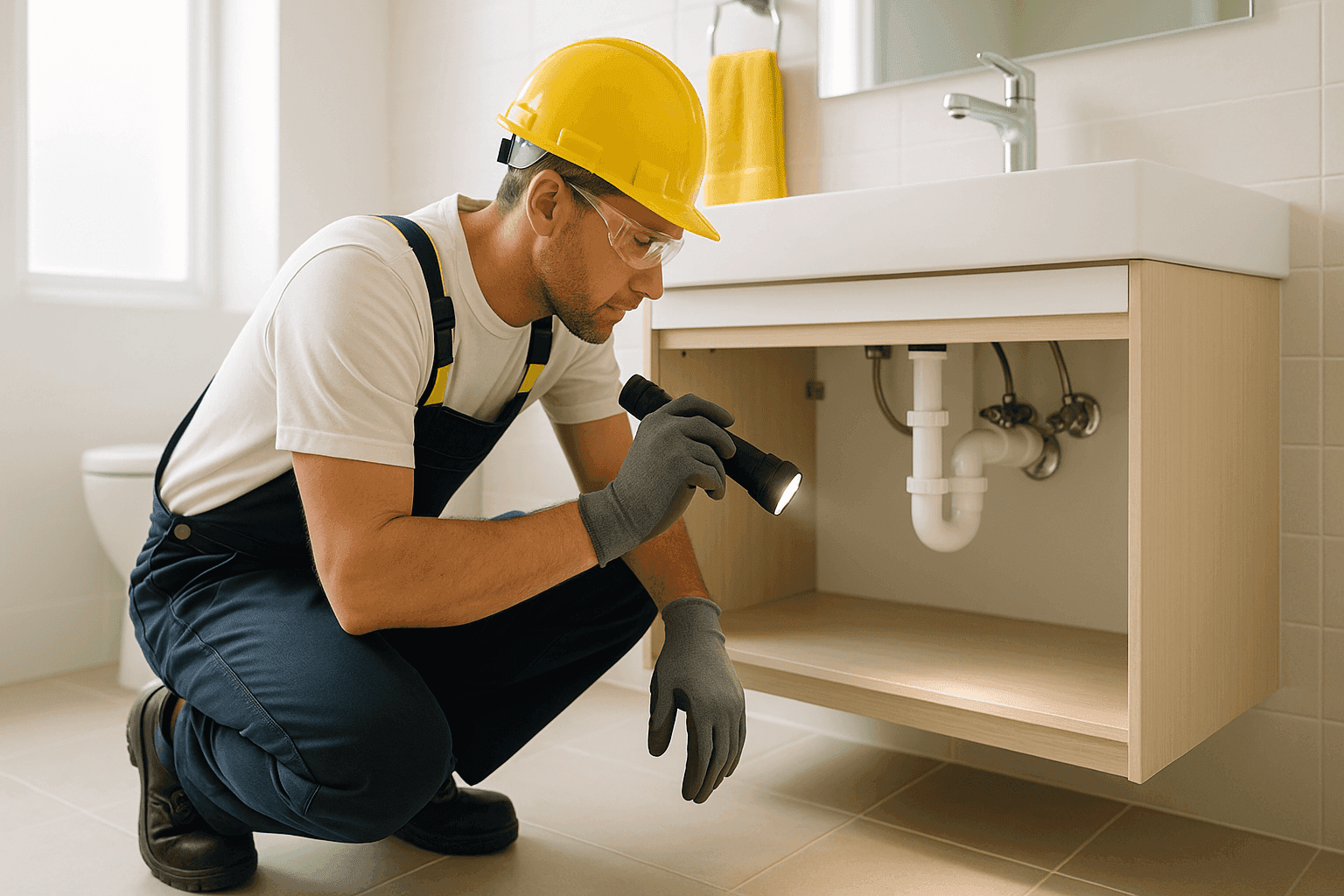
Water leaks don’t shout for attention. They whisper, slowly eroding your bathroom’s bones—one drip at a time. The longer you ignore the signs, the bigger the headache. At Real Flow Plumbing, we know the hidden dangers and costly surprises that even a small leak can unleash on your home.
You want a safe, dry, and comfortable bathroom. We get it. Let’s walk through the telltale signs, the smart checks you can do, and when to call for help to stop damage before it’s too late.
Where Bathroom Leaks Hide: The Usual Suspects 🕵️
Bathrooms are a maze of pipes, joints, and fixtures. Water can escape from almost any corner. Some spots are sneakier than others. Here’s where leaks tend to lurk:
- Under the sink: Supply lines and drain traps can drip inside the vanity, rotting wood and growing mold.
- Toilet base and tank: A failed wax ring or cracked tank can soak the floor before you notice.
- Shower or tub edges: Crumbling caulk or grout lets water slip behind walls.
- Behind walls: Pipes inside the wall can leak for months, warping drywall and staining paint.
- Ceiling below the bathroom: Brown spots or sagging drywall often mean a leak upstairs.
Signs of a Hidden Leak: What to Watch For
Not all leaks are obvious puddles. Some clues are subtle—like a detective’s trail.
- Musty odors: Dampness breeds mold and mildew, leaving a persistent smell.
- Stained or bubbling paint: Water behind walls or ceilings causes paint to lift or discolor.
- Loose tiles or warped floors: Water seeping below tile can cause them to pop or become soft underfoot.
- Unexplained water bill spikes: If you’re using the same amount of water but paying more, a hidden leak might be the culprit.
- Sounds of dripping or running water: When no tap is open, it’s a warning sign.
Quick Safety Checklist: Catch Leaks Early
Take five minutes with this checklist every month. It’s as easy as brushing your teeth.
- Look under the sink for puddles or damp wood.
- Check around the toilet base for moisture or discoloration.
- Examine shower and tub caulk for gaps or peeling.
- Press gently on bathroom walls and floors—spongy spots mean trouble.
- Sniff for earthy or musty odors.
- Peek at the water meter before and after a few hours with no water use. If it moves, you might have a leak.
- Check your utility bill for sudden jumps.
DIY Leak Checks vs. When to Call a Pro
Some leaks are simple puzzles. Others are locked mysteries.
Try These First
- Tighten loose faucet handles or supply line nuts with a wrench.
- Replace worn-out caulk around tubs or sinks.
- Drop food coloring in the toilet tank—wait 30 minutes. If color appears in the bowl, the flapper leaks.
- Use a towel to dry suspected wet spots, then check again in an hour.
When to Call a Plumbing Specialist
- Water is pooling or spreading quickly.
- You spot water stains on ceilings or walls.
- There’s mold growth or a persistent musty smell.
- Pipes or connections are hard to access.
- DIY fixes haven’t stopped the problem.
Stopping leaks early can save you from the nightmare of structural repairs and mold remediation. If you need help, Real Flow Plumbing provides Leak Detection near me in Montrose and full bathroom plumbing services.
What Pros Do On Arrival
You’ve called for help. What happens next?
- Assessment: We listen to your concerns, inspect visible areas, and ask about the leak’s history.
- Moisture meters & thermal cameras: These tools spot hidden dampness behind walls and under floors.
- Isolate and test: We shut off water lines and test each fixture to pinpoint the source.
- Safe repairs: After locating the leak, we repair or replace damaged pipes, seals, or valves—always working to code (referencing International Plumbing Code guidelines).
- Cleanup and advice: We dry affected areas and guide you on mold prevention and next steps.
Prevention & Maintenance: Tips for a Leak-Free Bathroom 🛠️
A little prevention is worth a lot of repair.
- Reseal tub and shower caulking once a year.
- Don’t ignore slow drains—they often signal hidden leaks or clogs.
- Replace old supply hoses with braided stainless steel lines.
- Monitor water pressure; high pressure strains pipes and fittings. (Consider a pressure regulator if yours runs high.)
- Schedule annual leak detection or plumbing checkups.
- Fix running toilets or dripping faucets promptly.
Costs & Time Factors
How much will it cost? How long will it take? There’s no one-size-fits-all answer, but here’s what influences the process:
- Accessibility: Easy-to-reach leaks cost less and take less time.
- Extent of damage: A simple seal replacement is quick; repairing rotted wood or mold takes longer.
- Parts and labor: Modern fixtures or specialty parts may affect costs.
- Emergency service: After-hours calls or rapid response needs can increase rates.
Most minor leak repairs can be completed in a couple of hours. More complex cases involving wall removal or extensive damage may take a day or two.
When It’s an Emergency
Don’t wait if you see:
- Water pouring or flooding onto floors.
- Electrical outlets or appliances near the leak.
- Sewage or foul-smelling water.
- Multiple leaks at once.
These situations can quickly cause severe water damage or health hazards. Shut off the water supply and call for emergency plumbing help right away.
FAQ: Bathroom Leak Detection
Q: How can I tell if a bathroom leak is behind the wall?
A: Look for paint bubbling, stains, or musty smells. If you notice these, a pro can confirm with moisture meters or cameras.
Q: Are bathroom leaks covered by insurance?
A: Many homeowner policies cover sudden and accidental leaks, but not gradual damage from neglect. Check your policy or talk with your agent.
Q: What causes most bathroom leaks?
A: Worn-out caulk, loose fittings, failed seals, and high water pressure are common culprits.
Q: How often should I check for leaks?
A: A quick monthly checkup is smart. Schedule a professional inspection every year or two, especially in older homes.
Local & Seasonal Considerations
Bathrooms in our region face unique pressures. In colder months, pipes can freeze and crack—especially those along exterior walls. Insulating exposed pipes and keeping bathroom heat consistent helps prevent this. Humidity spikes in summer can hide leaks behind increased condensation, so stay alert for musty odors and soft walls.
Hard water is another local issue. Mineral buildup can weaken seals and joints, increasing leak risks. Installing a water filtration system or softener helps extend the life of your plumbing.
Don’t let a small drip become a costly disaster. If you suspect a bathroom leak or want peace of mind, reach out for fast, friendly help from Real Flow Plumbing.
Call Real Flow Plumbing now — or reach us anytime at 877-879-7039 .