DIY vs. Professional Pipe Repair: Pros and Cons
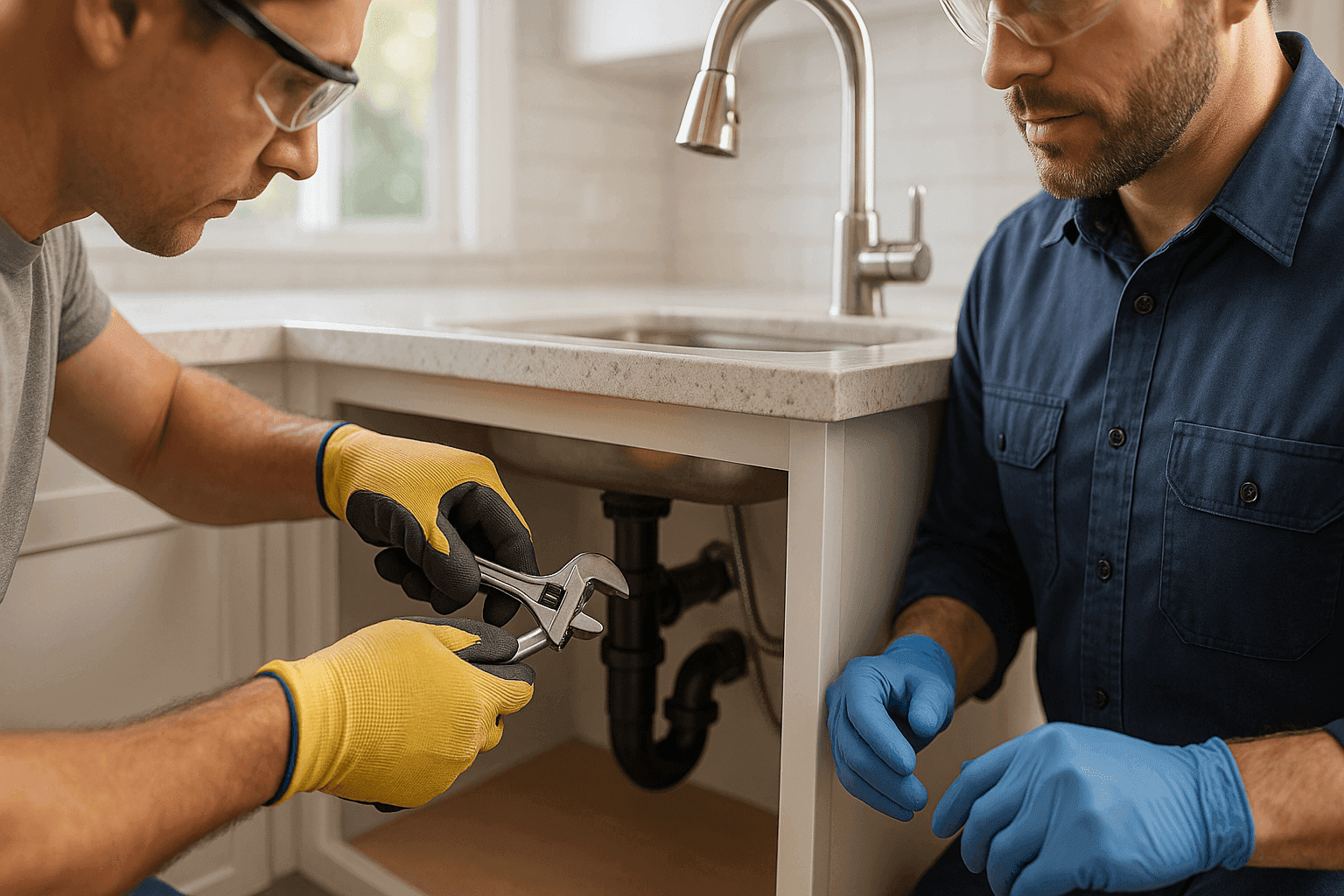
Have you ever heard the drip-drip-drip of a pipe leak in the night? If so, you know how fast a small plumbing problem can turn into a big headache. Maybe you’ve eyed a YouTube video and wondered if you could fix it yourself.
At Real Flow Plumbing, we help homeowners weigh the options. Knowing when to roll up your sleeves—and when to call in the cavalry—can save you time, money, and stress. Let’s break down the real-world pros and cons of DIY vs. professional pipe repair.
Types of Pipe Problems
Not all leaks are created equal. Some issues are as simple as a loose joint. Others lurk deep in your walls, waiting to cause chaos.
Common pipe problems include:
- Minor leaks: Dripping from exposed pipes under sinks
- Slow drips: At joints or connections
- Major leaks: Wet spots on ceilings, walls, or floors
- Burst pipes: Sudden, flooding water
- Hidden leaks: Moldy smells, mysterious water bills
- Corroded or cracked pipes: Rust, green stains, or visible cracks
Some of these you might spot right away. Others hide until the damage is done. Knowing what you’re dealing with is the first step to choosing your repair path.
DIY Methods 🛠️
If you’re handy, fixing a minor plumbing leak can feel empowering—like patching a bike tire or tightening a squeaky hinge. Here are some situations where DIY might fit:
- Accessible Leaks: Pipes under the sink, in the basement, or along exposed walls.
- Simple Fixes: Replacing a worn washer, tightening a loose fitting, or patching a tiny crack with epoxy.
- Temporary Solutions: Wrapping leaky spots with pipe repair tape until a pro arrives.
Tips for DIYers:
- Always turn off the water main before you start.
- Have plenty of towels, a bucket, and the right tools handy.
- Watch for signs of more serious damage (like bulging walls or persistent dampness).
But here’s the truth: Most plumbing systems are more complex than they seem. Pipes snake through walls and under floors. One wrong move and a trickle can become a flood.
When to Call a Pro
If you’re facing any of these, it’s time to pick up the phone:
- Hidden leaks: If you can’t see the source, don’t guess. Professional leak detection uses special tools to find trouble without tearing up your home.
- Major water damage: Wet drywall, bulging ceilings, or pooling water signal bigger issues.
- Water pressure problems: Sudden drops in water flow could mean a pipe is blocked or burst.
- Unfamiliar pipe materials: Old homes may have lead or galvanized pipes. Repairing these safely requires experience and the right equipment.
- Gas lines involved: Never attempt DIY on gas lines. For “Gas Safety Checks near you,” always call a licensed plumber.
- Code compliance and insurance: Professional plumbers know local codes. DIY repairs can void home insurance or cause legal headaches if not done right.
Sometimes, what looks simple on the surface hides complex risks underneath. What’s behind the wall can matter more than what’s in front of you.
Long-Term Value
A quick fix might plug the leak for now. But plumbing is like the veins of your home—neglected repairs can lead to expensive damage down the line.
Pros of Professional Pipe Repair:
- Lasting solutions—no frequent re-fixes
- Code-compliant work, protecting your home’s value
- Warranty on labor and parts (where provided)
- Reduced risk of mold, rot, and future leaks
Cons of DIY:
- Temporary patches may fail
- Unseen water damage can grow
- Repairs may not meet code or insurance requirements
Think of it as the difference between putting a bandage on a wound and actually stitching it up.
Safety, Code, and Insurance Concerns
Plumbing work isn’t just about stopping leaks. It’s about keeping your home safe and legal.
Key pitfalls to DIY:
- Electric shock: Water and wiring often share spaces.
- Mold growth: Slow leaks behind walls breed hidden health risks.
- Building codes: The International Plumbing Code (IPC) sets standards for safety. Unpermitted work can cause problems if you sell your home.
- Insurance: Many policies won’t cover damage from unlicensed work.
If you’re not sure, check local plumbing codes or reach out to your city’s building department.
Practical Tips for DIY Repairs
If you do tackle a small repair, keep these tips in mind:
- Turn off the water main before starting.
- Use the right materials (match pipe type: copper, PVC, PEX).
- Don’t ignore signs of mold or rot.
- Test the repair before closing up cabinets or walls.
- Keep a plumber’s number handy for emergencies.
For more on leak detection and how pros pinpoint hidden issues, see our Leak Detection service page.
Frequently Asked Questions
Q: Is it safe to fix a leaking pipe myself?
A: For exposed, minor leaks, yes—if you follow safety steps. For hidden or major leaks, call a professional.
Q: How do I know if my repair meets code?
A: Local codes vary. If in doubt, check with your city or hire a licensed plumber.
Q: Will insurance cover damage from a DIY repair gone wrong?
A: Most home insurance policies exclude damage from unlicensed or non-code work.
Q: How long should a professional pipe repair last?
A: Done right, repairs can last decades—especially when using quality materials and meeting code.
Local and Seasonal Considerations 🏠
In northern climates like Vermont, winter can be tough on pipes. Freezing and thawing cause bursts and leaks. Schedule preventative maintenance before the first frost—especially if your home has older plumbing.
If you’re searching for Pipe Repair near me in South Burlington, Vermont, Real Flow Plumbing is ready to help with year-round service and seasonal expertise.
Final Thoughts
DIY repairs have their place. For small, visible leaks, a quick patch can keep you afloat. But plumbing is the lifeblood of your home. When leaks go deeper, or the risks go up, calling a professional isn’t just easier—it’s safer for your home and your family.
For reliable pipe repair, leak detection, or any residential plumbing need, reach out to the team that keeps homes running smoothly.
Call Real Flow Plumbing now — or reach us anytime at 877-879-7039 .