Gas Line Installation: What Every Homeowner Should Know
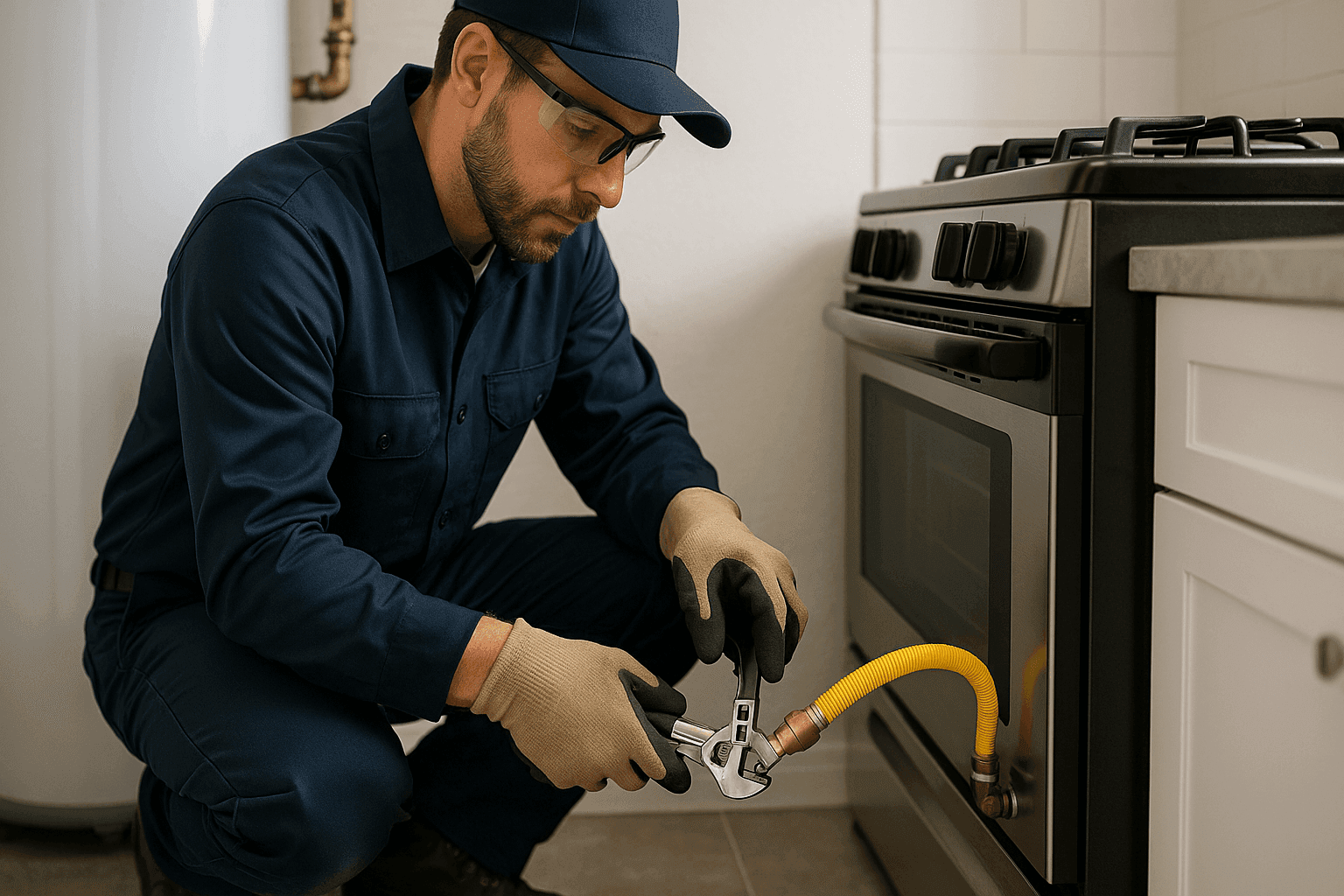
Gas powers so much in a home—heat for winter nights, hot showers, a stove that never lets you down. But any job involving gas lines is serious business. A small misstep can mean big consequences for your safety and your home.
If you’re considering a new gas line, you’re in the right place. Real Flow Plumbing helps homeowners stay safe and informed, every step of the way. Here’s what you need to know before your first wrench turns.
Why Homeowners Need New Gas Lines
Maybe you’re swapping out an old water heater, finally upgrading to that dream gas range, or your current line is showing its age. Sometimes it’s just about safety—old lines corrode, fittings loosen, leaks happen. Other times, it’s about expanding: a new outdoor grill, a fireplace, or a workshop heater. Each scenario starts with the same question: Is your gas line ready?
A gas line is like the main artery in your home’s circulatory system. If it’s compromised, the whole body is at risk. Modern homes and upgrades demand lines that meet today’s codes—not yesterday’s.
Quick Safety Checklist 🛑
Before you even think about installation, run through this list. It’s not just about following rules—it’s about protecting your family and your property.
- Turn off the gas supply before any work begins.
- Check for existing leaks—use your nose (smell for rotten eggs) and listen for hissing.
- Ventilate the area—open windows and doors.
- Never use open flames when checking for leaks.
- Have fire extinguishers nearby, just in case.
- Keep children and pets away from the workspace.
- Review local building codes and requirements.
- Secure all necessary permits before starting (more on this soon).
- Know where the gas shutoff valve is located—and make sure everyone in the house does too.
For official safety guidance, check resources from the National Fire Protection Association (NFPA) and your local building authority.
DIY vs. Call a Pro
Gas line installation isn’t like replacing a faucet or unclogging a toilet. It’s more like defusing a bomb: one wrong move, and the results can be catastrophic.
- DIY Risks:
- Leaks that cause fire or explosions.
- Carbon monoxide poisoning.
- Fines for unpermitted work.
- Voiding your home insurance.
- Professional Plumbers:
- Licensed technicians know code—inside and out.
- They use the right materials (no garden hoses or duct tape!).
- They test every joint, every time.
- They pull required permits and schedule inspections.
If you’re searching for “Gas Safety Checks near you” or Gas Line Installation help in Avon, Indiana, remember: safety comes first, not shortcuts.
What Pros Do On Arrival
When a Real Flow Plumbing technician arrives, here’s what you can expect:
- Initial Assessment:
They’ll inspect existing lines, appliances, and your home’s layout. Every house is different. - Planning:
The team maps out the safest, most efficient route for the new gas line. They avoid sharp bends and keep lines away from areas prone to moisture or damage. - Permits & Code Review:
All necessary paperwork is handled—no guesswork. - Installation:
- Old pipes are removed (if needed).
- New pipes are cut, threaded, and fitted.
- All joints are sealed with code-approved compounds.
- Pressure Testing:
Using specialized gauges, the system is tested for leaks—no shortcuts, no “good enough.” - Inspection:
A city or county inspector often checks the work before the gas is turned back on. - Final Walkthrough:
The plumber reviews the work with you, explains safety features, and answers any questions.
Safety Codes, Permits, and the Law
In most states, installing or modifying a gas line without a permit is illegal. Codes can differ from one town to the next, but the basics are universal:
- Permits:
Required for any new installation or major modification. - Materials:
Only approved piping (like black iron, CSST, or copper—never PVC for natural gas). - Installation Depth:
Underground lines must be buried at specified depths. - Pressure Ratings:
Lines are sized and tested for the appliance load. - Inspections:
All new work must pass city or county inspection.
You can check the latest codes through sources like the International Fuel Gas Code (IFGC) and your local building department.
Prevention & Maintenance
Out of sight shouldn’t mean out of mind. Gas lines need regular checkups—just like your car.
- Schedule annual gas safety checks to catch leaks or corrosion early. Read more about our Gas Safety Checks service.
- Install carbon monoxide detectors near sleeping areas and gas appliances.
- Don’t store flammable materials near gas lines or appliances.
- Inspect for rust, loose fittings, or unusual odors—and call a professional if anything seems off.
- Keep records of all repairs and inspections.
Routine maintenance is your best insurance policy.
Costs & Time Factors
Gas line installation isn’t a one-size-fits-all job. Here’s what can affect the bottom line:
- Length of Line:
More pipe, more labor. - Type of Material:
Black iron, copper, or flexible CSST all come at different price points. - Complexity:
Multiple bends, walls, or floors to cross increase the time and cost. - Permits & Inspections:
These are mandatory and add to the timeline. - Appliance Needs:
Large appliances might require larger diameter pipes.
While some simple installations might wrap up in a day, more complex jobs can stretch to a week—especially if city inspections are involved.
When It’s an Emergency 🚨
Smell gas? Hear a hissing sound? Feel dizzy or lightheaded?
Here’s what to do—fast:
- Evacuate everyone immediately.
- Don’t use electrical switches or phones inside the house.
- Shut off the main gas supply if you can—only if it’s safe.
- Call 911 and your gas utility from outside the home.
- Contact Real Flow Plumbing for emergency repairs.
Never try to “wait it out” or find the leak yourself. Gas leaks are invisible dangers.
FAQ: Gas Line Installation
How do I know if I need a new gas line?
If you’re installing a new gas appliance, your old line is corroded, or you notice a persistent gas smell, it’s time to consider new installation. A licensed plumber can inspect and advise.
Is gas line installation safe to DIY?
No. Even a small mistake can lead to leaks, fire, or poisoning. Only licensed professionals should handle gas line work.
How often should I schedule a gas safety check?
Experts recommend annual gas safety checks, especially for older homes or after major renovations.
What permits do I need?
Most localities require a permit for new installation or major modifications. Your plumber should handle this process.
Local/Seasonal Considerations
In areas with cold winters, frost and shifting ground can stress gas lines. Seasonal temperature swings may cause fittings to loosen over time. It’s smart to schedule a checkup after heavy storms or temperature extremes.
If you’re planning an outdoor project—like a grill or fire pit—remember that underground lines need special attention before and after freezing weather. Always call before you dig.
For residents searching for “Gas Safety Checks near you,” Real Flow Plumbing is ready to help keep your family safe year-round.
Installing or upgrading a gas line is a job for licensed professionals. Your safety—and your home—are too important to risk. If you have questions or need service, Call Real Flow Plumbing now — or reach us anytime at 877-879-7039 .