The Homeowner’s Guide to Leak Repair: Fast Action Saves Money
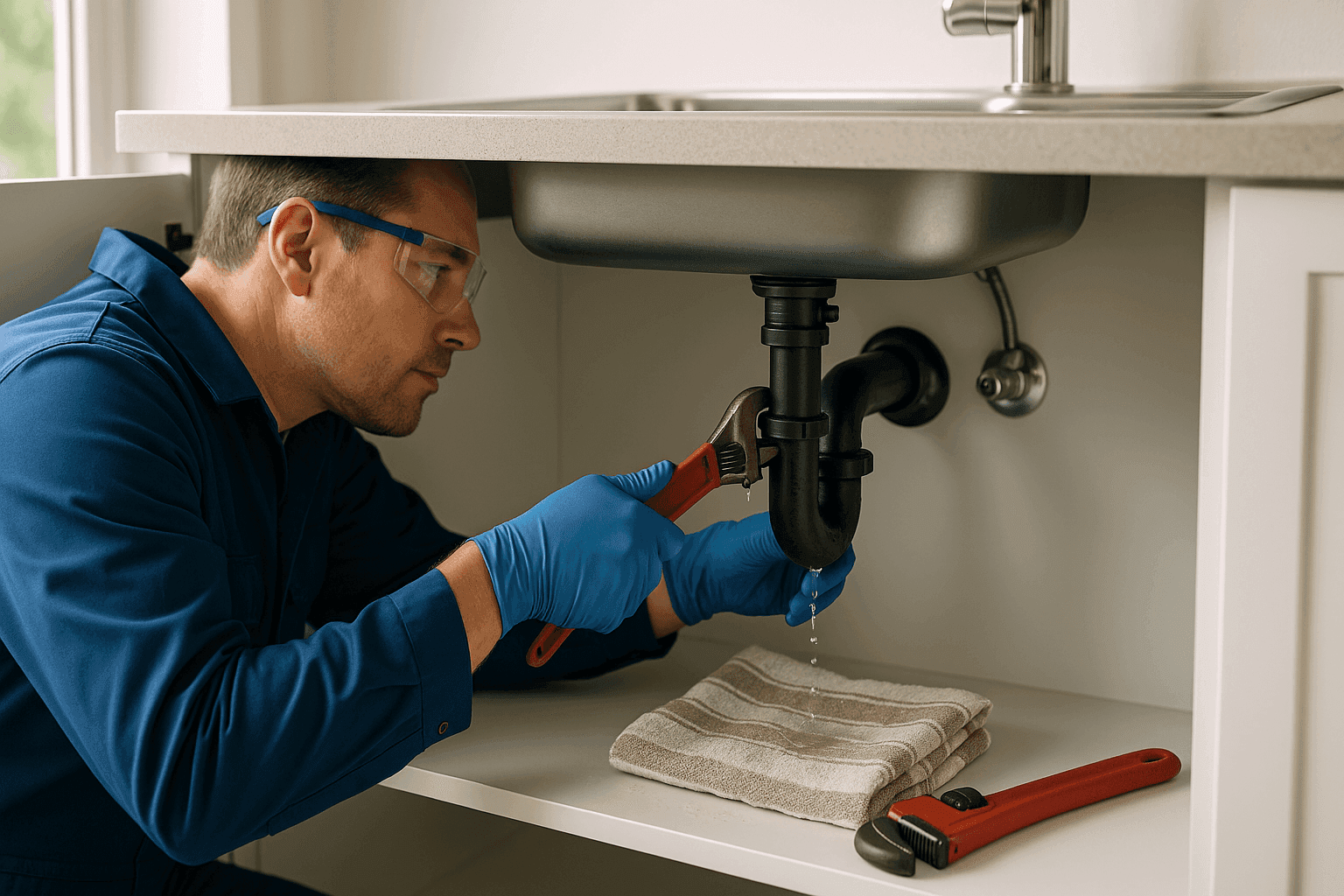
Water leaks don’t wait for a convenient time. You’re sitting down for coffee when suddenly you hear that drip… drip… drip. Or worse, a puddle appears under the sink. In moments like this, every minute matters.
At Real Flow Plumbing, we know how quickly a small leak can become a major headache. Plumbing leaks threaten your home, your wallet, and your peace of mind. Let’s walk through why leaking pipes demand urgent attention, what you should do before help arrives, and how to keep leaks from coming back.
Why Leaks Must Be Fixed — Fast
A leaking pipe is a silent saboteur. Water finds its own way, seeping into places it doesn’t belong. Left unchecked, even a slow drip can:
- Rot wood framing and cabinets.
- Soak insulation, inviting mold and mildew.
- Ruin floors, ceilings, and drywall.
- Spike your water bill.
- Damage prized belongings.
Think of a leak like a sneaky thief. The longer it stays hidden, the more it takes from you. According to the Environmental Protection Agency (EPA), household leaks can waste nearly 10,000 gallons of water each year—the same as 270 loads of laundry. Quick action isn’t just smart; it’s essential.
Quick Safety Checklist 🧰
Before you grab a wrench or call for help, make safety your first priority:
- Shut off the water. Find your main valve (usually near the water meter) and turn it off.
- Cut power if water is near outlets or appliances. Electrical safety first.
- Move valuables. Clear the area of electronics, furniture, or anything easily damaged.
- Contain the leak. Use buckets, towels, or even a baking tray to catch drips.
- Ventilate. Open windows or run fans to help dry things out.
If you smell gas or suspect a gas leak, leave the house immediately and call emergency services. Real Flow Plumbing also provides Gas Safety Checks near you.
DIY or Call for Help? Knowing Your Limits
It’s tempting to tackle leaks with a roll of tape or a quick patch. Some small fixes—like tightening a loose faucet or replacing a worn washer—are within reach for many homeowners. Here’s when to try DIY:
- Dripping faucets.
- Loose or leaking fittings under sinks.
- Minor supply line leaks (with the water shut off).
But, if you see any of these warning signs, it’s time to call a plumber:
- Water spraying or pooling quickly.
- Leaking pipes inside walls or ceilings.
- Water heater or boiler leaks.
- Sewer odors or slow drains.
- Recurring leaks in the same spot.
Remember: A quick fix is just a bandaid. For lasting repairs, professional plumbing service is the best way forward.
What Plumbing Pros Do on Arrival
When Real Flow Plumbing arrives, we don’t just mop up and go. Here’s what you can expect:
- Assessment: We inspect the leak’s source, using moisture meters and, if needed, thermal imaging to spot hidden water.
- Containment: We’ll stop the leak at its source—shutting off valves or isolating affected sections.
- Diagnosis: Our team checks for underlying causes: worn seals, pipe corrosion, high water pressure, or improper installation.
- Repair: Pipe repairs may mean patching, replacing a section, or upgrading to modern materials (like PEX). Fixtures may need new seals or parts.
- Testing: We restore water flow and check for further leaks.
- Cleanup: We advise on drying, mold prevention, and any follow-up restoration.
Everything is done to code, following local plumbing regulations and safety standards such as those from the International Association of Plumbing and Mechanical Officials (IAPMO).
Prevention & Maintenance: Stop Leaks Before They Start 🛠️
Nobody wants to relive the stress of a plumbing leak. The best defense? Proactive care. Try these homeowner tips:
- Inspect visible pipes under sinks, in basements, and near water heaters every few months.
- Know your water pressure. High pressure stresses joints and valves. Install a pressure regulator if needed.
- Replace aging hoses on appliances (washing machines, dishwashers) every 5 years.
- Insulate pipes before winter to prevent freezing and bursts.
- Schedule annual plumbing checkups. Preventative Maintenance finds problems before they become emergencies.
If you’re ever in doubt, Real Flow Plumbing offers Leak Repair near me and routine inspections to keep your home safe.
Costs & Time Factors
Leak repair costs can range from a quick, low-cost fix to more involved repairs, depending on:
- Location: Accessible leaks (like under a sink) are simpler than those hidden in walls or under floors.
- Severity: Small drips are faster to fix than major bursts.
- Materials: Copper, PVC, and PEX pipes each have different repair needs.
- Water damage: If water has ruined drywall, insulation, or flooring, additional restoration may be needed.
Most leaks are repaired in a few hours, but hidden or extensive leaks may require a second visit or coordination with restoration professionals. Insurance often covers sudden water damage—keep documentation for your claim.
When It’s an Emergency 🚨
Some leaks can wait for regular hours. Others can’t. Call for Emergency Plumbing if:
- Water is flooding your home.
- You can’t shut off the water supply.
- The leak is near electrical panels or outlets.
- The leak is from a gas water heater, boiler, or gas line.
- Sewage is backing up.
Don’t risk your safety or your home. Fast action minimizes damage.
Frequently Asked Questions
How do I find the main water shut-off valve?
Typically, it’s located where the water line enters your home—basement, crawlspace, or near the water meter. Tag it for quick access.
Is a small leak really a big deal?
Yes. Even minor drips can waste thousands of gallons and lead to hidden mold or rot.
Does homeowner’s insurance cover leaks?
Sudden and accidental leaks are often covered. Damage from neglect or long-term leaks usually isn’t. Always check your policy.
Can I use “stop leak” products from the store?
Temporary sealants may buy you time, but they rarely solve the real problem. Professional repairs last longer and protect your home.
Local & Seasonal Factors
Every region has its quirks. In the Pacific Northwest, heavy winter rains and freezing temps can stress older pipes. Regular Sewer Line Inspection and pipe insulation are smart moves as seasons change.
During dry summer months, ground shifts can also affect buried lines—keep an eye out for unexplained wet spots in the yard.
Leaks happen. It’s how you respond that counts. Don’t wait for a drip to become a disaster.
Call Real Flow Plumbing now — or reach us anytime at 877-879-7039 .