How to Unclog a Toilet: Step-by-Step Guide
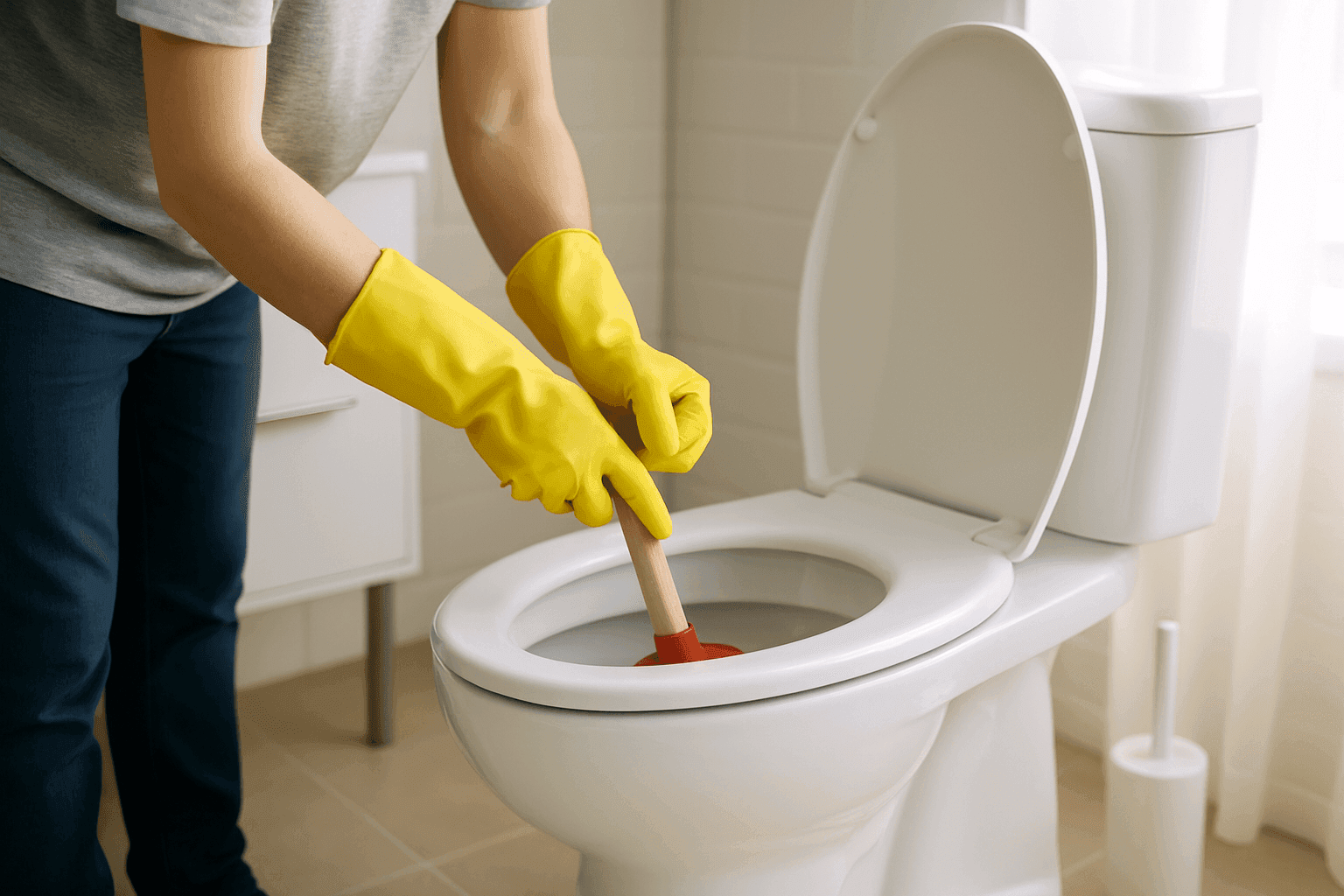
No one likes that sinking feeling when the water rises instead of swirling away. A clogged toilet can turn an ordinary day into a minor disaster. But before panic sets in, know this: most clogs can be fixed with a few simple tools and a bit of patience.
At Real Flow Plumbing, we see it all—from toys to paper towels and everything in between. Our team handles Unclogging Toilets and much more, but some fixes are safe for homeowners. Here’s what you need to know.
Common Causes of Clogs 🚽
Let’s start with the “why.” Most toilet clogs have simple causes:
- Too much toilet paper: Even “flushable” wipes can snag and block pipes.
- Foreign objects: Think toys, feminine hygiene products, or paper towels.
- Aging plumbing: Old pipes or low-flow toilets can struggle, especially if there’s buildup inside.
- Hard water deposits: Minerals can slowly narrow pipes, making clogs more likely.
- Sewer line issues: Sometimes the blockage is far below your bathroom.
The bottom line? Toilets are designed for human waste and toilet paper only. Everything else is asking for trouble.
Best Tools for the Job
Before you roll up your sleeves, gather these essentials:
- Plunger: A flange plunger (with an extra rubber “lip”) works best for toilets.
- Rubber gloves: Protects hands from germs.
- Bucket: For water removal, if needed.
- Toilet auger (plumbing snake): For stubborn clogs beyond the reach of a plunger.
- Old towels or rags: For spills and floor protection.
You don’t need fancy gadgets—just the basics. If you only own one tool, make it a plunger.
Step-by-Step Unclogging
Ready to tackle the clog? Let’s keep it safe and straightforward.
1. Stop the Overflow
If the bowl is close to spilling over, act fast. Remove the tank lid and gently lift the float. This stops more water from entering. If you see water rising, don’t flush again—it’ll only make things worse.
2. Plunge Properly
- Place the plunger in the bowl, making sure the rubber lip covers the drain hole.
- Push down slowly at first to remove trapped air. Then pump up and down vigorously 10–20 times.
- Keep a tight seal. The goal is to push and pull water, not just air.
- After a few rounds, pull the plunger away. Did the water drain? If not, repeat.
- Once the bowl drains, flush to check. If it stays clear, crisis averted.
3. Use an Auger for Stubborn Clogs
If plunging fails, a toilet auger gives you more reach:
- Insert the tip into the drain and slowly crank the handle.
- You’ll feel resistance if you hit the clog. Keep turning and gently push.
- Withdraw the auger, clean it, and test-flush.
Important: Never use chemical drain cleaners in toilets. They can damage plumbing, create toxic fumes, and may violate local plumbing codes (see: Uniform Plumbing Code, IPC).
4. Clean Up
Disinfect the toilet and surrounding area. Wash your hands and tools thoroughly.
What NOT to Flush
A good rule: If it’s not human waste or toilet paper, keep it out of the bowl. Here’s what to avoid:
- “Flushable” wipes
- Paper towels, napkins, or tissues
- Cotton balls, swabs, or feminine hygiene products
- Dental floss
- Food scraps
- Toys or small objects
These items don’t break down well and can cause major plumbing headaches.
When to Seek Help
DIY is fine for minor clogs. But some signs mean it’s time to call Real Flow Plumbing:
- You’ve plunged and snaked, but the water still won’t go down.
- Water is backing up in sinks, tubs, or showers—could be a main sewer issue.
- You hear gurgling sounds or notice slow drains throughout your home.
- Foul odors linger, even after the toilet clears.
- You suspect a child’s toy or solid object is stuck.
- There’s water leaking from the toilet base or pipe.
If in doubt, professional toilet repair is safer—and can prevent damage.
Safety Notes
- Always wear gloves to protect against bacteria.
- Use eye protection if splashing is possible.
- Never mix cleaning chemicals—they can create hazardous fumes.
- Keep children and pets away from the work area.
If you’re dealing with sewage backup or repeated overflows, this is a health hazard. The CDC recommends professional cleanup for any sewage exposure.
Tips to Prevent Future Clogs 🛡️
- Use less toilet paper—flush more often during big jobs.
- Remind family (and guests): Only TP and waste go in the bowl.
- Install childproof locks if curious kids are about.
- Schedule annual preventative maintenance to keep lines clear.
- Consider a water softener if mineral buildup is a concern.
A little prevention saves a lot of hassle.
Frequently Asked Questions
How do I know if a clog is in the toilet or the main sewer line?
If only one toilet is blocked, it’s likely a local clog. If multiple fixtures (sinks, tubs) are slow or backing up, the problem may be deeper in your sewer line. That’s a job for professionals.
Are chemical cleaners safe for toilets?
No. Most chemical drain cleaners can harm porcelain and pipes. They’re also hazardous to your health. Stick to plungers and augers.
How long should I try DIY before calling a plumber?
If you’ve spent 20–30 minutes with no progress, it’s time to call in the pros.
Can a clogged toilet cause water damage?
Yes—especially if repeated overflows soak floors or leak into ceilings below. Quick action matters.
Local and Seasonal Considerations
Montana homeowners know the freeze-thaw cycle can be rough on pipes. Clogs are more common in winter when people use more tissue and pipes contract. During holidays, extra guests can also put stress on your plumbing.
If you’re in the Kalispell area, Real Flow Plumbing is here for Unclogging Toilets and all your home plumbing needs.
Toilets are tough, but you don’t have to go it alone. If a clog just won’t budge or you want peace of mind, Real Flow Plumbing is always ready to help.
Call Real Flow Plumbing now — or reach us anytime at 877-879-7039 .