Pipe Insulation: Why It Matters and How to Do It Right
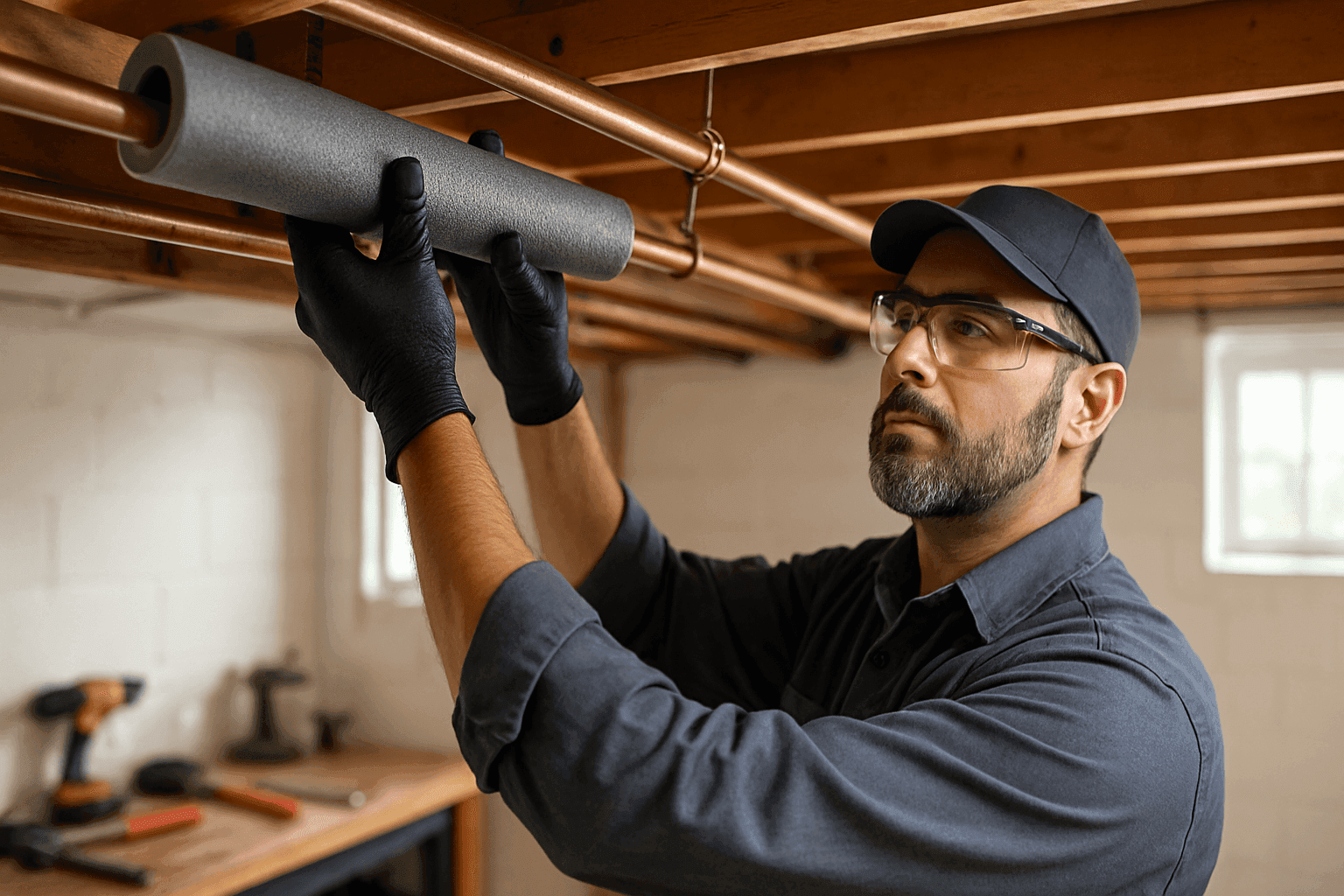
Do you dread the first winter freeze? Pipes bursting in the night can turn your home upside down. Many homeowners don’t think about their pipes until water stops flowing—by then, the damage is done. At Real Flow Plumbing, we know firsthand how much hassle and cost pipe problems cause. Pipe insulation isn’t just for the pros—every homeowner should understand why it matters.
Let’s break down the what, why, and how of pipe insulation. It’s not just about comfort. It’s about protecting your home and wallet in the long run.
Why Insulate Pipes? The Real Risks and Rewards
When winter hits hard, unprotected pipes are like uninvited guests at a party—trouble waiting to happen. Freezing temperatures can turn water into ice, making pipes expand and crack. One night of extreme cold and suddenly you’re facing water stains, leaks, or even a flooded basement.
But it’s not just about winter. Insulation helps year-round:
- Freeze prevention: Stops water from freezing, expanding, and bursting your pipes.
- Energy savings: Keeps hot water hot and cold water cold—so your heater and cooler work less.
- Reduces condensation: Less moisture on pipes means less risk of mold and corrosion.
- Noise reduction: Insulation muffles the sound of water hammer and rushing water.
The U.S. Department of Energy recommends insulating hot water pipes to save energy and lower utility bills. It’s one of the simplest ways to boost your plumbing’s lifespan and efficiency.
Quick Safety Checklist 🛠️
Before jumping in, safety comes first. Here’s what you need to check:
- Shut off water: Always turn off the water supply to the pipes you’ll be working on.
- Wear gloves and eye protection: Especially if you’re dealing with fiberglass or old insulation.
- Check for leaks and damage: Don’t insulate over wet or leaking pipes. Fix these first—see our pipe-repair service.
- Avoid flammable materials: Never use flammable insulation near gas lines or hot pipes.
- Ventilation: Work in a well-ventilated area, especially if using adhesives or sealants.
Always follow local plumbing codes and consult resources like the International Residential Code (IRC) for guidance.
Best Materials for Pipe Insulation
Not all pipe insulation is created equal. Choosing the right material is like picking the right shoes for a hike—it makes a big difference.
Common materials:
- Foam sleeves: Easy to install, affordable, and great for most indoor plumbing.
- Rubber insulation: Flexible and durable; handles temperature changes well.
- Fiberglass wrap: Handles high temperatures, often used for steam pipes.
- Polyethylene: Common for DIY, but check if it’s suitable for your pipe’s temperature and location.
Match the insulation to your pipe’s needs. For outdoor or exposed pipes, you may need thicker or weather-resistant options. Check the R-value (insulation rating)—higher is better for cold climates.
DIY vs. Calling a Pro
You can insulate pipes yourself, but it’s not always a walk in the park. For simple, easily accessible straight runs, DIY can work. For tight spaces, many bends, or if you spot signs of past leaks or corrosion, it’s time to call in a professional.
DIY:
- Great for visible pipes in basements or crawlspaces.
- Use pre-slit foam sleeves and secure with tape.
- Cut to fit, avoid leaving gaps.
Professional help:
- For hidden pipes, gas lines, or complex systems.
- If you’re unsure about material compatibility.
- When pipes are already damaged or leaking (see pipe-installation).
A professional brings an eye for detail. They’ll spot risks you might miss.
What Pros Do On Arrival
When a Real Flow Plumbing specialist arrives:
- Assessment: We check all exposed pipes for leaks, corrosion, or previous damage.
- Material match: We select insulation based on pipe type, location, and local code requirements.
- Proper sealing: Every joint, bend, and valve is carefully covered—no shortcuts.
- Code compliance: We ensure everything meets current safety standards.
- Cleanup: No mess left behind.
This isn’t just about wrapping pipes—it’s about setting up your system for years of reliable service.
Common Pipe Insulation Mistakes (and How to Dodge Them) ⚠️
It’s easy to get it wrong. Here are the classic trip-ups:
- Leaving gaps or seams exposed: Even a tiny gap lets cold air in.
- Overlapping insulation: Too much overlap, and you lose efficiency.
- Ignoring elbows and joints: These are the first places to freeze.
- Insulating wet or leaking pipes: Traps moisture, leads to corrosion and mold.
- Using wrong materials: Not all insulation works for all pipe types.
Be sure to double-check every section. It’s like zipping up a winter coat—one open spot, and you’ll feel the chill.
Prevention & Maintenance
Insulation is only part of the story. Maintenance keeps your pipes in top shape:
- Inspect insulation yearly: Look for cracks, missing sections, or dampness.
- Check before winter: Especially if you’ve had harsh weather.
- Keep pipes dry: Address leaks ASAP.
- Upgrade as needed: Technology and materials improve over time.
Preventative maintenance can save you from expensive repairs and water damage. If you’re not sure what to look for, Real Flow Plumbing is always here to help.
Costs & Time Factors
How much will this set you back? That depends.
- DIY insulation: Costs are typically low—just your time and materials.
- Professional installation: More expensive, but pays off in peace of mind and long-term savings.
A small home project might take a few hours. For larger homes or hidden pipes, expect more time. Remember, the cost of ignoring insulation is far higher—think burst pipes, water damage, and emergency repairs.
When It’s an Emergency
If you notice:
- Water stains on walls or ceilings
- Dripping or spraying water
- Sudden drop in water pressure
…don’t wait. These are signs of a freeze or burst pipe. Shut off your water supply and call Real Flow Plumbing right away. Insulation can prevent emergencies, but once trouble starts, quick action is key.
If you’re in the area, here’s Pipe Repair help in Broken Arrow, Oklahoma.
FAQ
Q: Do all pipes need insulation?
A: Not every pipe. Focus on those in unheated areas—attics, basements, crawlspaces, garages, and any exterior walls.
Q: Can I insulate around gas lines?
A: Only with approved materials and plenty of clearance. Consult a professional for anything involving gas.
Q: How thick should insulation be?
A: At least 1/2 inch thick for mild climates. Go thicker—up to 2 inches—for colder areas.
Q: How long does insulation last?
A: Quality insulation can last 10–20 years, but inspect it yearly for best results.
Local/Seasonal Considerations ❄️
Here in the Midwest and across much of the U.S., winter can be unpredictable. Sudden cold snaps put pipes at risk, especially in older homes or those with exposed plumbing. Seasonal maintenance—inspecting and upgrading insulation before the first freeze—can make all the difference.
If you’re not sure what your home needs, building codes and resources like the International Association of Plumbing and Mechanical Officials (IAPMO) provide guidelines. But nothing beats a professional’s eye for your unique setup.
Pipe insulation is a small step with big rewards. Don’t wait for the next freeze to take action. Call Real Flow Plumbing now—or reach us anytime at 877-879-7039 .