Pipe Repair: How to Handle Small Leaks and Prevent Bigger Problems
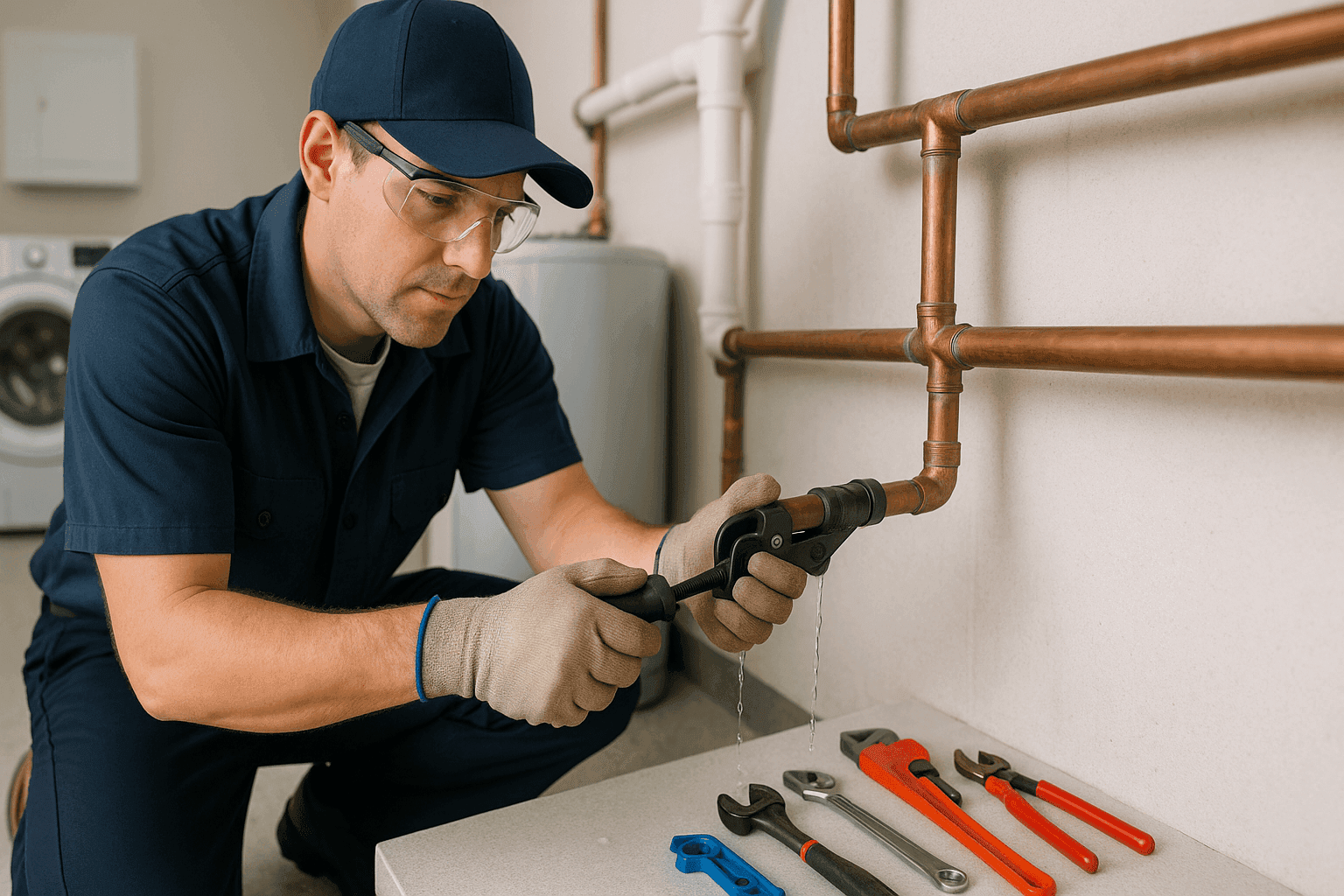
Water on the floor. A dark stain on the ceiling. That slow, suspicious drip-drip-drip behind the wall. It’s enough to make any homeowner’s stomach drop. Small leaks can be easy to ignore—until they aren’t. Left alone, they can spread like roots under concrete, causing damage that’s expensive and stressful.
At Real Flow Plumbing, we know that a minor leak can quickly become a major headache. Our team helps residents tackle plumbing problems the right way—safely, and with lasting results. Here’s how to spot leaks, what you can do yourself, and when it’s time to bring in a professional.
Spotting the Problem: Early Signs of a Pipe Leak
A leaky pipe rarely announces itself with a fanfare. It’s more like a whisper in the background. Here’s what to watch for:
- Water stains on walls, ceilings, or floors—especially if they’re growing.
- Musty odors that don’t go away, hinting at hidden moisture.
- Unexplained puddles under sinks, behind toilets, or in the basement.
- Peeling paint or bubbling wallpaper.
- Sudden drops in water pressure—like your shower turning from a fire hose to a drizzle.
- Sounds of dripping or running water when all taps are off.
If you spot any of these, act fast. Water can cause more than cosmetic problems—it can lead to mold, weakened structures, and even electrical hazards.
Quick Safety Checklist 🛑
Before you jump into action, take a moment to make sure it’s safe to proceed:
- Turn off the water supply to the affected area or your whole home.
- Unplug nearby electrical devices if water is pooling near outlets or appliances.
- Wear gloves to avoid contact with contaminated water.
- Use a flashlight—not candles—if you need extra light.
- Avoid standing water if you suspect electrical wires may be wet.
- If you smell gas, leave the house immediately and call emergency services.
Your safety comes first. When in doubt, wait for professional help.
DIY Temporary Fixes vs. Calling a Professional
A quick patch might save your floors from a flood, but it’s rarely the final answer. Think of it like putting a bandage on a leaky dam. Here’s what you can do—and when to pick up the phone instead.
What You Can Do Yourself
- Shut off the water. This is your first, best move.
- Dry the area as much as possible to prevent further damage.
- Apply plumber’s tape (Teflon tape) to small leaks at pipe joints, if accessible.
- Use a pipe clamp or even a rubber patch and hose clamp as a stopgap for a split pipe.
- Catch drips with a bucket to protect floors and reduce mess.
- Document the damage with photos for your records or insurance.
These are temporary fixes. They buy you time, not a solution. For anything beyond a slow drip or a visible joint leak, it’s time for a professional.
When to Call a Professional
- The leak is hidden or inside a wall.
- The pipe is cracked, corroded, or has burst.
- There’s any sign of mold, mildew, or structural damage.
- You notice low water pressure throughout the house.
- You’re dealing with gas lines, sewage, or anything you’re not 100% sure about.
Professionals have the tools, training, and experience to make safe, code-compliant repairs. According to the International Association of Plumbing and Mechanical Officials (IAPMO), improper repairs can lead to bigger hazards and costly code violations.
For immediate help, see our Pipe Repair near me in Wheeling, West Virginia page.
What the Pros Do On Arrival
When a Real Flow Plumbing technician arrives, you can expect:
- Inspection: We use moisture meters, infrared cameras, and experience to find the real source of the leak—even behind walls or under floors.
- Assessment: We’ll check for related problems: corrosion, water pressure issues, or compromised joints.
- Repair: Depending on the damage, we might use pipe clamps, replace sections, or even reroute plumbing.
- Testing: We restore water and check for further leaks, ensuring everything is watertight.
- Cleanup: We leave your home as tidy as we found it.
Professional repairs are designed to last, using materials and methods that meet local building codes and safety standards.
Prevention & Maintenance: Keeping Leaks at Bay 🛠️
An ounce of prevention is worth a gallon of cleanup. Regular maintenance keeps pipes healthy and leaks at bay.
- Schedule routine inspections. Annual or biannual checks by a licensed plumber can spot trouble before it grows.
- Insulate pipes in cold spaces to prevent winter freezes and bursts.
- Don’t ignore small drips—they’re early warning signs.
- Check water pressure. High pressure strains joints and seals; a plumber can install a regulator if needed.
- Replace old pipes. Galvanized steel or polybutylene pipes are prone to leaks as they age.
- Know your shutoff valves. Practice turning off water so you’re ready in an emergency.
For more on maintenance, check out our Preventative Maintenance service.
Costs & Time Factors: What to Expect
Repairing a small leak can be straightforward—or surprisingly complex. Here’s what affects the time and cost:
- Location: Exposed pipes are easier (and cheaper) to fix than those inside walls.
- Pipe material: Copper, PEX, and PVC require different repair approaches.
- Extent of damage: A single drip costs less to fix than a corroded, crumbling pipe.
- Access: Tight crawlspaces or finished basements can extend repair times.
- After-hours service: Emergency calls may cost more, but prevent bigger disasters.
A simple repair can take under an hour. More extensive leaks may require a half-day or more. While we don’t give quotes here, our Pipe Repair service page provides more details.
When It’s an Emergency
Some leaks can wait a day. Others can’t.
- Burst pipes: Water pouring out uncontrollably? Turn off the main valve and call immediately.
- Sewer odors or backups: Raw sewage is a health risk—leave and call a pro.
- Gas line leaks: If you ever smell rotten eggs or hear a hissing sound near a gas pipe, get out and call emergency services.
- Major flooding: More than a mop and bucket can handle? Don’t risk electrical shock or further damage.
Our Emergency Plumbing service is available for these urgent situations.
Frequently Asked Questions
How do I know if a pipe leak is serious?
If you see water pooling, hear constant dripping, or notice sudden changes in water pressure or color, the leak may be more than just a nuisance. Any sign of mold or musty smell is also a red flag.
Can I ignore a tiny leak?
It’s tempting to let a slow drip slide. But over time, even tiny leaks can lead to mold, wood rot, and expensive repairs. It’s like ignoring a slow leak in your roof—eventually, the damage adds up.
Will a pipe clamp fix a leak for good?
Pipe clamps or self-fusing tape are good band-aids, but not a cure. They hold things together for a while, but the real fix usually means replacing or professionally repairing the damaged section.
What should I do if water is coming through the ceiling?
Turn off the water supply, move valuables out of the way, and call a plumber. Ceilings can collapse if saturated, so avoid the area if you see bulging or hear cracking.
Local and Seasonal Considerations 🥶
In many areas, winter is the season of frozen pipes. If your home isn’t well-insulated or temperatures drop below freezing, pipes in basements, attics, or exterior walls are at risk. Take steps before the first cold snap:
- Insulate exposed pipes with foam sleeves.
- Let faucets drip during extreme cold to keep water moving.
- Open cabinet doors under sinks to let warm air circulate.
If you have older plumbing or just moved into a new home, consider a professional inspection—especially if you’re in a region with harsh winters or older housing stock.
A small leak doesn’t have to become a big disaster. If you notice the warning signs or need help with pipe repair, Real Flow Plumbing is here for you.
Call Real Flow Plumbing now — or reach us anytime at 877-879-7039 .