Plumbing Checklist for New Homeowners: Start Off Right
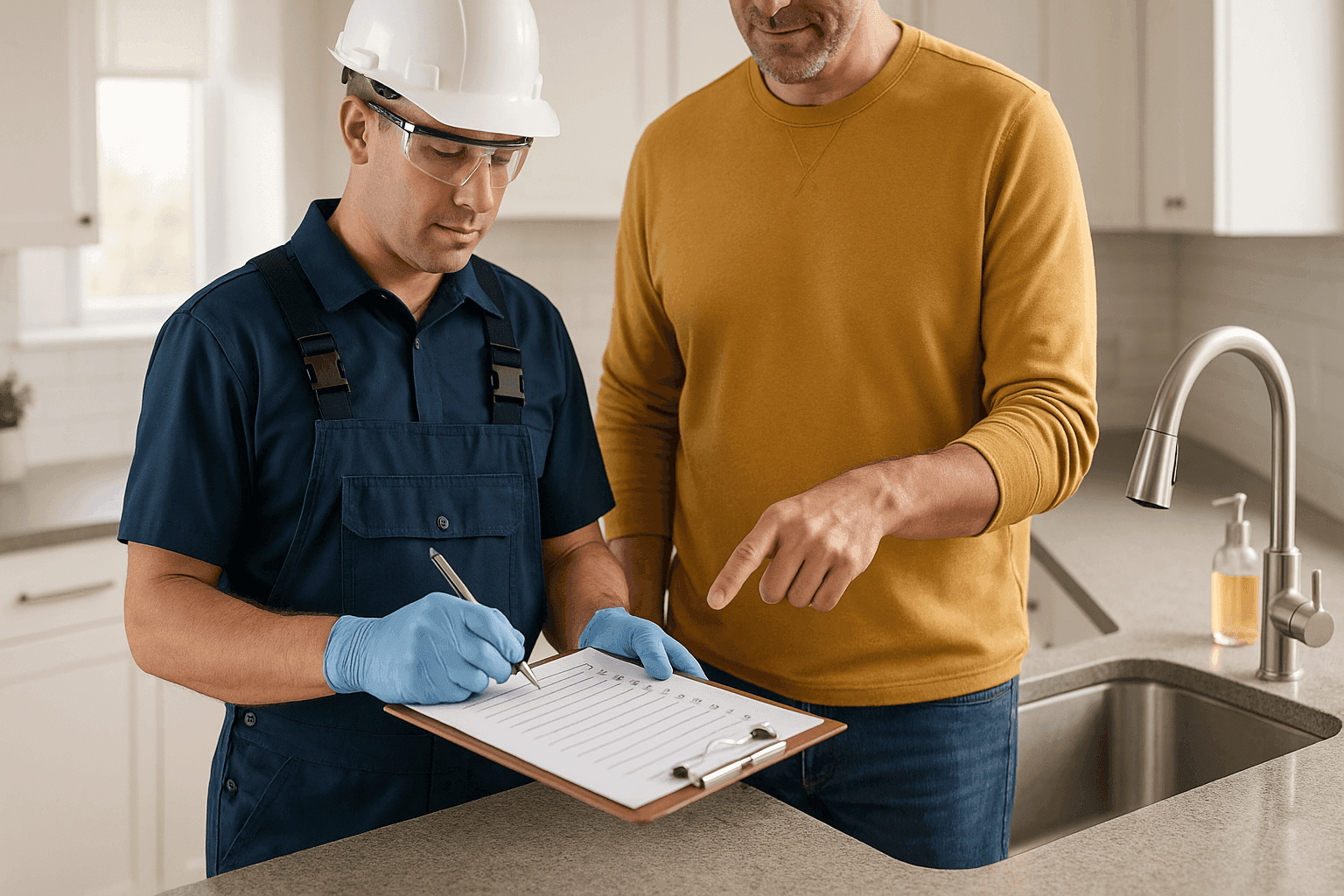
Moving into a new house? Congratulations! It’s the start of something big—maybe even a little overwhelming. The boxes stack up. The to-do list grows. But there’s one thing you can’t afford to overlook: your home’s plumbing.
Hidden behind walls and under floors, plumbing quietly keeps everything running. A missed leak or broken valve can turn that dream home into a nightmare fast. Let’s make sure you’re ready from day one.
Why Plumbing Deserves a Spot at the Top of Your Move-In List
Think of plumbing like a circulatory system for your house. When everything flows, life is smooth. But a single clog or leak can snowball—leading to water damage, mold, or even health risks. Early action saves money, time, and stress.
If you’re standing in your new kitchen now, wondering where to start, you're not alone. Every homeowner faces this. Here’s your roadmap to confidence.
Quick Plumbing Safety Checklist 🛠️
Before you unpack the last box, run through these essentials:
- Main Shut-Off Valve: Find it. Test it. Make sure you know how to turn off water in an emergency.
- Check All Visible Pipes: Look for drips, corrosion, or signs of moisture under sinks, behind toilets, and in the basement.
- Water Heater: Is the tank rust-free? No puddles beneath? Set the temperature to 120°F for safety.
- Drains and Toilets: Flush and run water in every sink, shower, and tub. Watch for slow draining or gurgling.
- Fixtures: Turn each faucet on and off. Any leaks at handles or under cabinets?
- Gas Lines (if present): Smell for gas near appliances. If you notice a rotten egg scent, leave and call for help immediately.
- Water Pressure: Test showers and faucets. Too high or too low? It could signal hidden problems.
These basics can catch issues before they snowball. According to the International Association of Certified Home Inspectors, routine checks like these help prevent costly repairs (InterNACHI Residential Plumbing Inspection Guidelines).
Spotting Red Flags: What Needs Attention Now?
Some warning signs should always raise an eyebrow:
- Unexplained Water Stains: On ceilings, walls, or floors. Even a tiny mark can mean a slow leak.
- Persistent Odors: Musty smells hint at hidden moisture and mold. Sewer smells suggest drain or vent problems.
- Noisy Pipes: Banging, rattling, or whistling when you turn on water? That’s not normal.
- Discolored Water: Rusty, cloudy, or odd-tasting water should be checked out.
- Low Water Pressure in Some Areas: Could point to leaks, blockages, or old piping.
If you spot any of these, don’t ignore them. Early repairs mean long-term peace of mind.
DIY or Call a Pro? Knowing Your Limits
Some tasks are safe for handy homeowners:
- Tightening a loose faucet.
- Cleaning out aerators and showerheads.
- Checking exposed pipes for drips.
- Using a plunger on a minor toilet clog.
But plumbing can be like a game of Jenga—pull the wrong piece, and things fall apart. Call a professional for:
- Major leaks or flooding
- Unusual smells (especially gas)
- Water heater issues
- Slow drains throughout the house
- Projects involving gas lines or sewer lines
Real Flow Plumbing offers a full range of services for homeowners, from preventative maintenance to leak detection and drain cleaning.
What Pros Do When They Arrive
Ever wonder what happens when a plumber knocks on your door? Here’s what a visit from Real Flow Plumbing usually looks like:
- Assessment: We start with a full walk-through, listening to your concerns.
- Testing: Water pressure, temperature, and flow are checked with professional-grade tools.
- Inspection: We look at the main shut-off, visible pipes, water heater, and fixtures.
- Leak Detection: Using specialized equipment to find hidden leaks you can’t see.
- Diagnosis: Clear explanation of any issues, plus honest recommendations.
Our goal: no surprises. Just knowledge, options, and a clear path forward.
Prevention & Maintenance: The Secret to Stress-Free Plumbing
Routine care is like brushing your teeth—it keeps problems small and manageable. Here’s how to keep your home’s plumbing healthy:
- Check for Leaks Monthly: Even small drips waste water and money.
- Clean Drains Regularly: Avoid harsh chemicals. Use drain screens and clean out hair and debris.
- Flush Water Heater Annually: Prevents sediment build-up and extends its life.
- Test Sump Pump: Pour water into your sump pit to make sure it kicks on when needed.
- Inspect Shut-Off Valves: Turn them on and off twice a year to prevent sticking.
- Schedule Professional Maintenance: An annual visit catches issues early and keeps your system efficient.
For more on what a maintenance visit covers, see Preventative Maintenance.
Understanding Costs & Time Factors
How much will it cost? How long will it take? These are big questions for any homeowner. Here’s what to expect:
- Quick Fixes: Replacing a faucet washer or cleaning a drain might take 30 minutes.
- Moderate Repairs: Fixing a running toilet or patching a small leak could take 1–2 hours.
- Major Work: Water heater installation, repiping, or sewer line work can take a day or more.
Costs vary based on parts, labor, and the age of your plumbing. The older the system, the more likely you’ll need updates. Budget for routine care—it’s almost always cheaper than emergency repairs.
When It’s an Emergency 🚨
Sometimes, plumbing doesn’t wait. Burst pipes, water everywhere, or a strong gas smell—these are true emergencies.
What to do:
- Shut off the main water valve.
- If you smell gas, leave the house immediately and call your utility provider.
- Call Real Flow Plumbing right away.
Don’t try to fix these yourself. Quick action protects your home and your family.
FAQ: Plumbing Questions Every New Homeowner Asks
Q: How do I find my main water shut-off valve?
A: It’s often in the basement, crawl space, or utility room—look for a round wheel or lever where the main line enters.
Q: Why do my drains gurgle after I use the washing machine?
A: Gurgling can signal venting issues or a partial blockage. It’s best checked by a pro.
Q: Should I flush wipes or “flushable” products?
A: No. Even “flushable” wipes can clog pipes and sewers.
Q: How often should I schedule plumbing maintenance?
A: At least once a year for a full checkup, or more often if your home is older.
Local & Seasonal Considerations
Climate and local codes shape plumbing needs. In colder regions, pipes can freeze—insulate exposed lines, especially in basements and attics. Summer storms? Test your sump pump before the rainy season. Always follow local building codes for safety—check your city’s requirements or consult the International Plumbing Code.
If you’re in the Hudson area, Real Flow Plumbing is ready to help with Preventative Maintenance.
Moving into a new home should be an exciting chapter, not a stressful one. With this checklist, you can catch problems early and keep your home running smoothly for years to come. For help with leaks, installation, or emergencies, Real Flow Plumbing is just a call away.
Call Real Flow Plumbing now — or reach us anytime at 877-879-7039 .