How to Prepare Your Plumbing for Spring Thaw and Heavy Rains
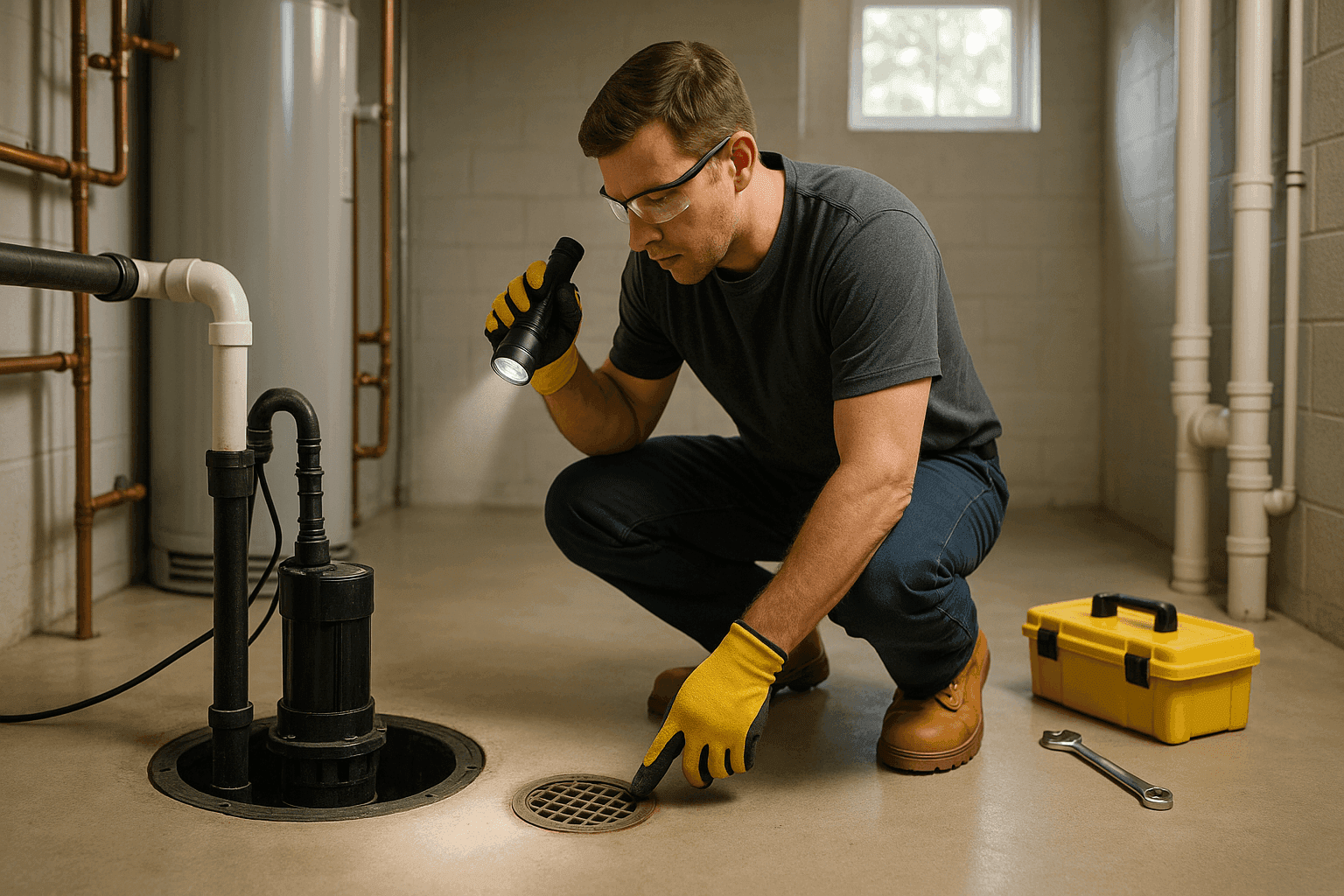
Spring isn’t just about blooming flowers and longer days. It’s also a test for your home’s plumbing. Melting snow, heavy rain, and shifting soil put pipes, drains, and sump pumps under real pressure.
At Real Flow Plumbing, we help homeowners prepare for unpredictable weather and protect against costly headaches. A little planning now can stop burst pipes, basement leaks, and those “why is the carpet wet?” moments.
The Spring Thaw: Plumbing’s Sneakiest Enemy
When winter lets go, all that frozen water turns into trouble. Ice that’s crept into pipes and cracks starts to melt. Sometimes it rushes where it shouldn’t—through basements, under foundations, or even into walls.
Heavy spring rains pile on. Gutters overflow. Drains clog with debris. Sump pumps—if they work—battle rising groundwater. If they don’t, water finds a new home in your basement.
It’s like a relay race: snow melts, then rain falls, and if one part of your plumbing stumbles, the whole team loses.
Quick Safety Checklist for Spring Plumbing
Before the first big thaw, walk through your home. Look for the weak spots. Here’s a simple checklist to keep trouble at bay:
- Check exposed pipes for cracks or frost damage.
- Test your sump pump—pour a bucket of water in to see if it kicks on.
- Clear gutters and downspouts of leaves and winter debris.
- Inspect basement walls for damp spots or musty smells.
- Make sure exterior faucets are drip-free and not leaking.
- Listen for gurgling drains, especially in lower levels.
- Check water heater and boiler connections for leaks.
If you spot something off, don’t ignore it. Small leaks can become big, expensive problems when rains arrive.
Should You DIY or Call a Professional?
Some spring tasks are safe for homeowners. Others need a trained eye. Think of it like changing a lightbulb versus rewiring a house.
Good for DIY:
- Cleaning gutters and downspouts.
- Testing your sump pump with water.
- Checking for visible leaks under sinks or near appliances.
- Running all taps to check water pressure.
Call a plumber for:
- Persistent leaks or damp spots.
- Drains that back up or run slow after cleaning.
- Sump pump that won’t turn on, or cycles constantly.
- Water heater or boiler issues.
- Any suspected gas line problem (always leave this to the pros).
Trying to fix a hidden leak or a faulty pump without proper tools can make things worse. Plus, code regulations (like those in the Uniform Plumbing Code) require licensed professionals for gas and sewer work.
What Plumbers Do When They Arrive
When you call Real Flow Plumbing, here’s what happens next:
- Assessment: We look for visible and hidden leaks, check water pressure, and inspect all access points.
- Sump Pump Inspection: We test operation, check float switches, and look for blockages or worn parts.
- Drain Cleaning: Using specialized tools, we clear blockages that DIY methods can’t reach.
- Leak Detection: With equipment like moisture meters and thermal cameras, we find leaks behind walls or under slabs.
- Safety Checks: For gas lines and water heaters, we verify everything’s up to code and safe.
Our approach follows local code and safety standards, such as those set out by the International Association of Plumbing and Mechanical Officials (IAPMO).
Prevention and Maintenance: Your Best Defense 🛠️
Think of plumbing like your car. Regular checkups keep it running smoothly. Here’s how to stay ahead of spring trouble:
- Schedule preventative maintenance every spring and fall.
- Have your sump pump serviced before the wet season—ask about sump pump repair.
- Clean drains with safe, non-corrosive cleaners or call for drain cleaning if you notice slowdowns.
- Install backflow prevention devices, especially in flood-prone areas.
- Upgrade old pipes if you’ve had past leaks—repiping now is cheaper than flood cleanup later.
Check your local building codes or the Environmental Protection Agency (EPA) for guidance on water safety and backflow requirements.
Costs and Time Factors: What to Expect
Plumbing work ranges from a quick fix to a weekend project. Here’s what to keep in mind:
- Time: Most inspections and minor repairs take 1–3 hours. Major repairs or installations can stretch longer, especially if digging or wall access is needed.
- Cost: Small repairs (like a sump pump check) are often affordable. Larger issues—like replacing pipes or installing a new pump—require more time and materials.
Remember, ignoring a problem always costs more. Water damage can destroy floors, walls, and even foundations.
When It’s an Emergency (and When to Wait)
Is water spreading across the floor? Smell gas? Hear the sump pump alarm shrieking? That’s the time to call immediately. Fast action can save thousands in repairs.
But if you notice a slow drip or a noisy pipe, you can often schedule service within a few days. Still, don’t wait too long—spring weather moves fast.
FAQ: Spring Plumbing Worries
Q: How do I know if my sump pump is working?
A: Pour a bucket of water in the pit. If it turns on and pumps water out quickly, it’s ready. If not, call for sump pump repair.
Q: Why do my drains smell musty after winter?
A: Debris and stagnant water can cause odors. Thorough drain cleaning helps, especially after months of low use.
Q: Can I prevent leaks entirely?
A: While you can’t control the weather, preventative steps—like regular inspections and prompt repairs—greatly reduce risk.
Q: Should I worry about my gas lines during spring thaw?
A: Yes. Shifting ground can stress buried lines. Schedule Gas Safety Checks near you if you notice rotten egg smells or hissing.
Local and Seasonal Tips: Clinton, Mississippi Homeowners
Spring in Mississippi brings sudden downpours and rising groundwater. If you live in an older home or near a creek, the risk is higher. Schedule Clinton, Mississippi Preventative Maintenance to get ahead of the weather.
Keep an eye on sump pumps, basement drains, and any area that’s leaked before. Early attention means less stress when storms roll in.
Don’t wait until puddles form indoors. Prepare your plumbing now for whatever spring throws your way.
Call Real Flow Plumbing now — or reach us anytime at 877-879-7039 .