How to Prevent Costly Water Leaks at Home
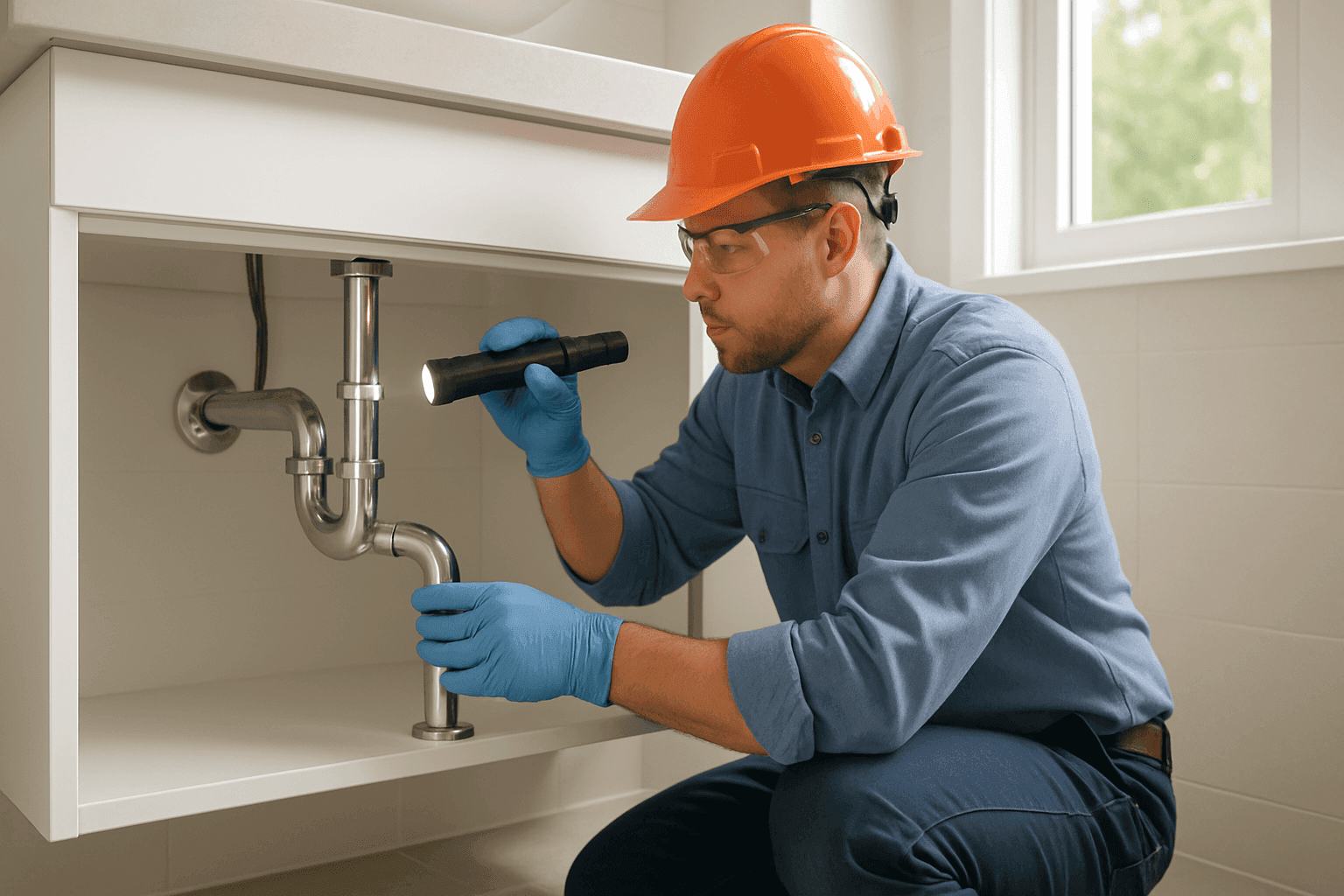
Water leaks at home are like slow drips stealing money from your wallet. They start small, but over time, the damage can be overwhelming—ruined floors, mold, higher water bills, and costly repairs. At Real Flow Plumbing, we help homeowners stop leaks before they start, saving both stress and expense.
Ignoring leaks isn’t just inconvenient. It’s risky. Water has a sneaky way of finding the weakest spots in your plumbing. Let's walk through what causes leaks, how to spot them early, and what you can do—before calling in the professionals.
Why Water Leaks Happen 💧
Water leaks don’t happen out of nowhere. They’re the result of wear, oversight, or sometimes just plain old bad luck. Here are the big culprits:
- Aging Pipes: Just like knees creak with age, old pipes start to corrode or crack. In homes built before the 1980s, galvanized steel or cast iron pipes are especially prone to failure.
- Faulty Seals: Rubber washers, pipe joints, and fixture seals break down with time. That slow drip under the sink? Often, it’s a worn-out seal.
- Poor Installation: If pipes are hastily installed or not up to code, trouble is just around the corner. Loose fittings, unsupported pipes, or the wrong materials can all lead to leaks.
- Clogs and Blockages: A blocked drain creates pressure. Eventually, something gives—often in a place you can’t see.
- High Water Pressure: It feels great in the shower, but too much force strains pipe walls and joints, increasing the risk of leaks.
- Seasonal Risks: Winter freezes can split pipes wide open, while spring thaws and heavy summer rains can overwhelm old plumbing.
- Appliance Failures: Washing machines, water heaters, and dishwashers all rely on hoses and connections that can fail unexpectedly.
The bottom line? Leaks are usually a sign of deeper issues, not just bad luck.
Early Signs to Watch For 👀
Leaks often whisper before they shout. Catching them early can make all the difference.
- Unexplained Water Bills: If your bill jumps but your habits haven’t changed, water is escaping somewhere.
- Musty Smells: Persistent damp or mildew odors often signal hidden leaks behind walls or under floors.
- Stains or Warping: Brown spots on ceilings, bubbled paint, or warped flooring are red flags.
- Dripping or Running Water Sounds: Even if you can’t see water, listen for trickling noises—especially at night, when the house is quiet.
- Visible Mold: Mold needs moisture. If it’s growing somewhere unusual, a leak could be feeding it.
- Low Water Pressure: Sometimes, a leak upstream reduces the flow to your fixtures.
- Puddles or Damp Spots: Pooling water under sinks, behind appliances, or near the foundation should never be ignored.
Pay close attention to these clues. Early action can spare you from headaches and hefty repair bills.
Best Practices for Prevention 🛠️
Think of your plumbing like a car—it needs regular checkups to run smoothly. Here’s how to keep problems at bay:
Regular Inspections
- Check under sinks: Look for moisture or discoloration.
- Inspect appliance hoses: Replace any that are cracked, bulging, or more than 5 years old.
- Test shut-off valves: Make sure you can turn them off in an emergency.
- Look at exposed pipes: Corrosion, rust, or mineral deposits mean it’s time to act.
Preventative Maintenance
- Schedule annual plumbing checks with a licensed professional. Services like leak-detection can spot problems you can't see.
- Install water leak sensors in basements, under sinks, and near water heaters.
- Flush your water heater yearly to prevent sediment buildup and leaks.
- Maintain water pressure at 40–60 psi to avoid straining your pipes (the U.S. Environmental Protection Agency recommends this range).
Seasonal Tips
- Before freezing weather: Insulate exposed pipes in attics, crawl spaces, and outside walls.
- During heavy rain: Check basement sump pumps and clear gutters to keep water away from your foundation.
- After storms: Inspect for pooling water or new damp spots indoors.
Know Your Plumbing
- Keep a plumbing map: Know where shut-off valves and main pipes run.
- Label valves: Make it easy for everyone in the house to turn off water quickly.
- Upgrade old pipes: If your home has galvanized or lead pipes, consider repiping for safety and reliability—see our pipe-repair service for more.
Little steps, done regularly, can prevent big problems.
When to Call a Pro 🧰
There’s a time for DIY, and a time for the wrench to pass to a professional. Here’s when you shouldn’t wait:
- You find a hidden leak: Water is flowing but you can’t find the source.
- Multiple leaks: If you spot several leaks, your system may have widespread issues.
- Water is pooling near your foundation: This threatens your home’s structure.
- You notice mold or mildew in odd places: Mold remediation is best left to licensed pros.
- You hear water running but all taps are off: This is a sign of a slab or underground leak.
- Frozen or burst pipes: Immediate help is needed to limit damage.
Professional plumbers use specialized leak detection equipment—like acoustic sensors and thermal cameras—to find problems fast and fix them safely. Services like Leak Detection near me in Okemos, Michigan can save time and money by pinpointing leaks with minimal disruption.
Real Steps You Can Take
DIY Leak Checks
- Use food coloring: Add a few drops to your toilet tank. If color appears in the bowl without flushing, there’s a leak.
- Check your water meter: Turn off all fixtures. If the meter keeps spinning, water is escaping somewhere.
- Tighten loose fittings: Sometimes, a gentle hand is enough to stop a minor drip.
Know Your Limits
If you’re not comfortable with tools, or if the leak is inside a wall, under concrete, or near electrical wiring, it’s time to call in the pros. Some repairs are also regulated by building codes (like gas line or sewer work), requiring licensed plumbers for safety reasons.
What Pros Do On Arrival
When Real Flow Plumbing arrives, here’s what you can expect:
- Assessment: We’ll ask about what you’ve seen, heard, or smelled. Every clue helps.
- Inspection: Using advanced tools, we track leaks—even those hidden behind drywall or under floors.
- Diagnosis: Once we find the source, we explain your options clearly—no jargon, just facts.
- Repair: We fix the problem, whether it’s a new pipe, seal replacement, or fixture installation.
- Prevention advice: We’ll recommend steps tailored to your home to keep leaks from coming back.
We follow local building codes and safety guidelines, as outlined by the International Plumbing Code and EPA recommendations.
Prevention & Maintenance Matters
- Schedule annual Gas Safety Checks near you to ensure safe, leak-free connections.
- Upgrade fixtures: Modern faucets and toilets are less prone to leaks.
- Install backflow prevention devices: These stop contaminated water from flowing into your home’s supply.
- Consider water filtration systems: These can reduce mineral buildup that leads to leaks.
- Log maintenance: Keep a record of repairs and inspections for future reference.
Costs & Time Factors
Leak repairs can range from a simple washer replacement (done in minutes) to more involved pipe repairs taking several hours. Costs depend on:
- Location of the leak: Hidden leaks take more time to find and fix.
- Type of repair: Fixture or seal replacements are less expensive than pipe replacements.
- Extent of damage: If water has damaged walls or floors, restoration costs add up.
Investing in leak-detection or routine maintenance is always cheaper than repairing major water damage later.
When It’s an Emergency
Some leaks can’t wait:
- Burst pipes: Shut off your water main and call us immediately.
- Major flooding: Electricity and water don’t mix—evacuate if needed.
- Sewer backups: These pose health hazards and require urgent attention.
- Gas line leaks: If you smell gas, leave your home and call emergency services.
Our emergency plumbing services are available to contain and repair urgent leaks fast.
FAQ
How do I know if I have a hidden leak?
Watch for unexplained water bills, damp walls, musty odors, or the sound of running water when everything is off. A plumbing professional can confirm with specialized tools.
Can I fix a minor leak myself?
Yes, if you’re comfortable. Tightening a loose fitting or replacing a washer is straightforward. But if the leak is persistent, hidden, or near electrical wiring, call a plumber.
Are old pipes always a problem?
Not always, but pipes over 50 years old are at higher risk for leaks and corrosion. Periodic inspection and, if needed, repiping is wise.
Will insurance cover water leak repairs?
It depends on your policy. Sudden, accidental leaks are often covered, but neglect or slow leaks may not be. Check with your insurer.
Local & Seasonal Considerations 🌡️
In Michigan, frozen pipes are a real risk from November through March. Insulate exposed plumbing and keep a trickle of water flowing during extreme cold. Spring brings heavy rains—check your sump pump and clear gutters to keep your basement dry.
If you live in Okemos or nearby, Real Flow Plumbing is here to help with seasonal maintenance, inspections, and urgent repairs. For professional Leak Detection near me in Okemos, Michigan, we’re just a call away.
Water leaks are a hassle, but you don’t have to face them alone. If you spot a warning sign or just want peace of mind, reach out for help.
Call Real Flow Plumbing now — or reach us anytime at 877-879-7039 .