How to Prevent Plumbing Problems in Older Homes
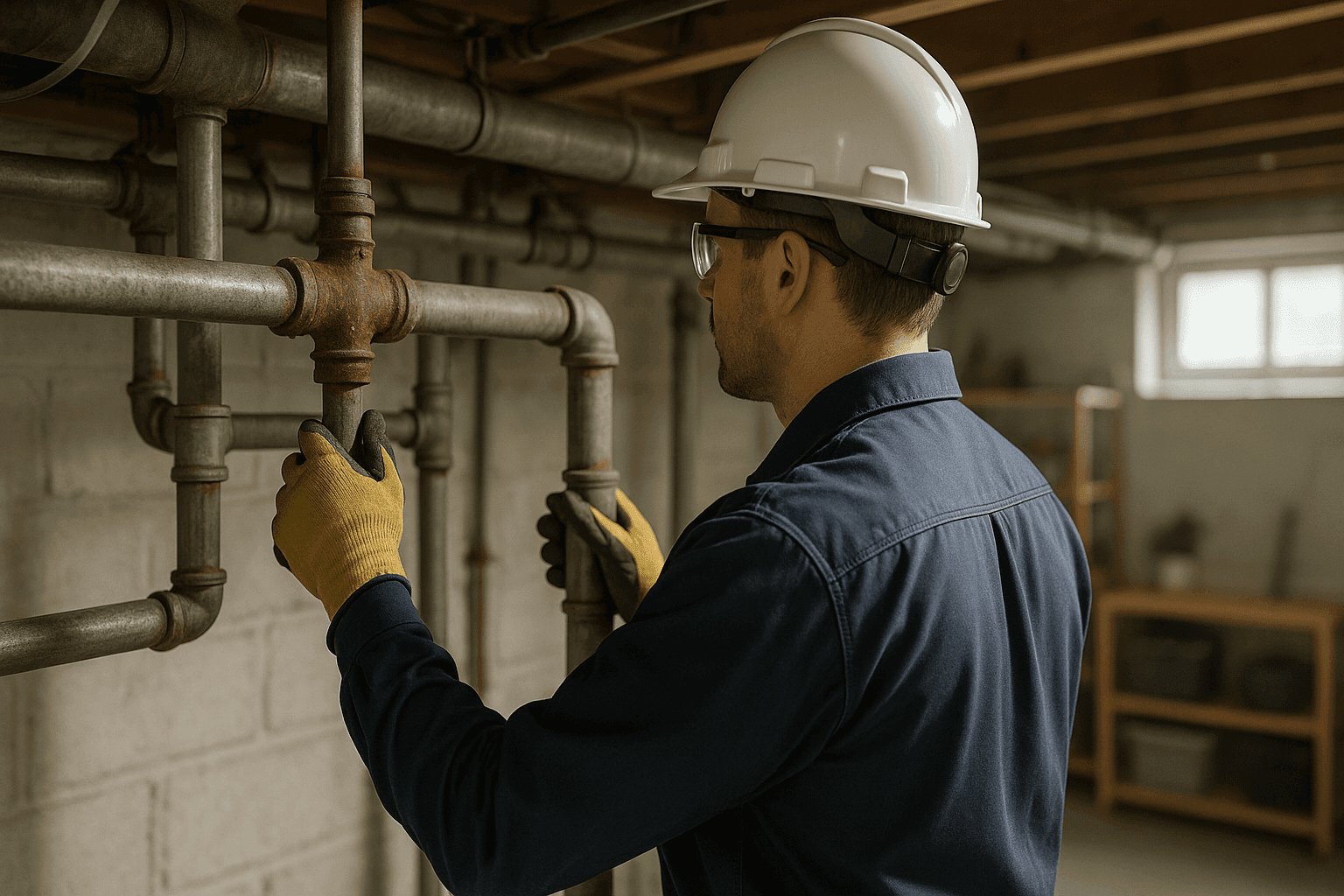
Old homes have character. But when it comes to plumbing, that character can bring surprises—some of them costly. If your house has stood the test of time, keeping the plumbing in check is vital for your comfort, safety, and property value.
At Real Flow Plumbing, we help homeowners like you spot hidden problems before they turn into major headaches. Let’s walk through how you can protect your home’s plumbing and keep everything running smoothly—no matter how old your pipes might be.
Why Old Homes Face Unique Plumbing Problems
Plumbing in an older house is like the circulatory system in a vintage car. Pipes and fixtures wear out, sometimes in ways you can’t see until it’s too late.
Common Problems in Aging Plumbing
- Galvanized Steel Pipes: Used in many homes built before the 1960s. These rust from the inside out, shrinking water flow and causing leaks.
- Outdated Fixtures: Old toilets, faucets, and valves can corrode or break, wasting water and causing damage.
- Shifting Foundations: As houses settle, pipes can crack or separate—especially cast iron or clay sewer lines.
- Hidden Leaks: Slow drips behind walls or under floors may go unnoticed for years, leading to mold or rot.
- Low Water Pressure: Sediment and corrosion inside old pipes restrict flow, making showers weak and dishwashers slow.
Quick Safety Checklist for Old-Home Plumbing ⚠️
A few simple checks can help you catch trouble before it gets serious:
- Look for water stains on ceilings or walls.
- Check under sinks for dampness or musty smells.
- Notice any sudden drop in water pressure.
- Listen for banging or rattling pipes when you turn on the tap.
- Inspect exposed pipes for flaking, rust, or white mineral buildup.
- Make sure your water heater and boiler show no signs of leaks or corrosion.
- Don’t ignore slow drains or frequently clogged toilets.
If you spot any of these, it’s time to take action.
DIY or Call a Pro? Making the Right Choice
Some plumbing fixes are as simple as tightening a nut or replacing a washer. But old-home systems are unpredictable.
When DIY Works:
- Replacing a faucet washer or aerator.
- Unclogging a minor drain with a plunger (not chemicals).
- Tightening a loose pipe under the sink.
When to Call Real Flow Plumbing:
- Burst or leaking pipes, especially in walls or under floors.
- Repeated clogs or sewage smells.
- Water heater leaks or rust.
- Signs of mold or structural water damage.
- Any issue with gas lines or gas appliances—always a safety risk.
When in doubt, don’t risk it. A small mistake in an old plumbing system can quickly snowball.
What Pros Do When They Arrive
When you call a professional plumber, here’s what to expect:
- Assessment: We start with a thorough inspection of your visible pipes, fixtures, and appliances. For hidden issues, we use leak detection tools and sometimes small cameras.
- Pressure Testing: Checking for safe water pressure, especially if you’ve noticed a recent drop.
- Leak Detection: Using acoustic sensors, thermal cameras, or pressure gauges to find sneaky leaks that aren’t visible.
- Code Compliance: Ensuring your system meets current safety standards, including backflow prevention and gas safety checks near you.
- Action Plan: Once we know what’s going on, we’ll recommend repairs, replacement, or upgrades based on urgency and your budget.
If you’re looking for Pipe Repair near me, you’ll get this level of care every time.
Proactive Prevention & Maintenance
A little attention goes a long way. Here’s how you can help your plumbing last:
Regular Checks
- Schedule a yearly inspection with a licensed plumber.
- Test your water pressure with a simple gauge (sold at hardware stores).
- Watch for any change in water color—rusty or brown water suggests pipe corrosion.
Preventative Steps
- Insulate exposed pipes in unheated areas to prevent freezing and bursting.
- Install water leak detectors in basements or under sinks for early warnings.
- Upgrade to modern fixtures that use less water and resist corrosion.
- Flush your water heater annually to remove sediment (follow the manufacturer’s guide or local code).
- Have backflow testing done as recommended by your local code or water authority.
When to Consider Upgrades or Repiping
If your home has galvanized steel, lead, or polybutylene pipes, it may be time for an upgrade. Modern copper or PEX pipes last longer, improve water flow, and help protect your family’s health. Repiping also boosts home value if you ever plan to sell.
Learn more about repiping and how it can safeguard your home for decades.
Costs & Time Factors: What to Expect
Every home is different, but here’s what usually matters:
- Minor Repairs: Fixing a leak or replacing a fixture may take just an hour or two.
- Pipe Replacement: Swapping a small section of pipe can be quick, but larger jobs (like whole-house repiping) take several days.
- Costs: The price depends on your home’s size, the type of pipes, and how easy it is to access problem areas. Preventative work—like leak detection—can save thousands by avoiding water damage.
Keep in mind: Delaying repairs almost always leads to bigger bills later.
When It’s an Emergency
Some plumbing problems just can’t wait:
- Burst pipes spraying water inside your home.
- Sewer backups or strong sewage odors.
- No hot water during winter.
- Gas leaks or hissing sounds near gas lines.
In these cases, turn off your main water valve (and gas, if needed), and call for emergency plumbing help right away. Safety comes first—never try to fix a gas leak or major burst pipe yourself.
FAQ: Older Home Plumbing
What’s the biggest plumbing risk in an old house?
Corroded pipes, especially galvanized steel or lead, are the most common troublemakers. They can leak or even fail suddenly, causing major damage.
How can I tell if I need repiping?
If you have frequent leaks, discolored water, or low pressure throughout the house, your pipes may be past their prime. A professional inspection will confirm if repiping is needed.
Are there code requirements for upgrades?
Yes. The International Plumbing Code (IPC) and your local building department set standards for pipe materials, backflow prevention, and water heater safety. Always use a licensed plumber familiar with these codes.
How can I spot a hidden leak?
Look for unexplained water bills, musty smells, or stains on walls and ceilings. Professional leak detection tools—like those we use at Real Flow Plumbing—can pinpoint leaks fast. Learn more about leak detection.
Local & Seasonal Considerations ☀️
Homes in regions with freezing winters risk burst pipes if not properly insulated. In humid climates, slow leaks can cause mold to spread fast. Old homes in flood-prone areas should have sump pumps and backflow prevention devices tested regularly. Always check your plumbing after major storms or earthquakes—shifting ground can crack pipes.
Keep in mind, local building codes may require certain upgrades for insurance or resale.
Protecting your older home’s plumbing is about more than just comfort—it’s about safety and preserving the character you love. If you have questions about your pipes, water heater, or anything else, Real Flow Plumbing is here to help.
Call Real Flow Plumbing now — or reach us anytime at 877-879-7039 .