How to Prevent Sewer Backups and Protect Your Home
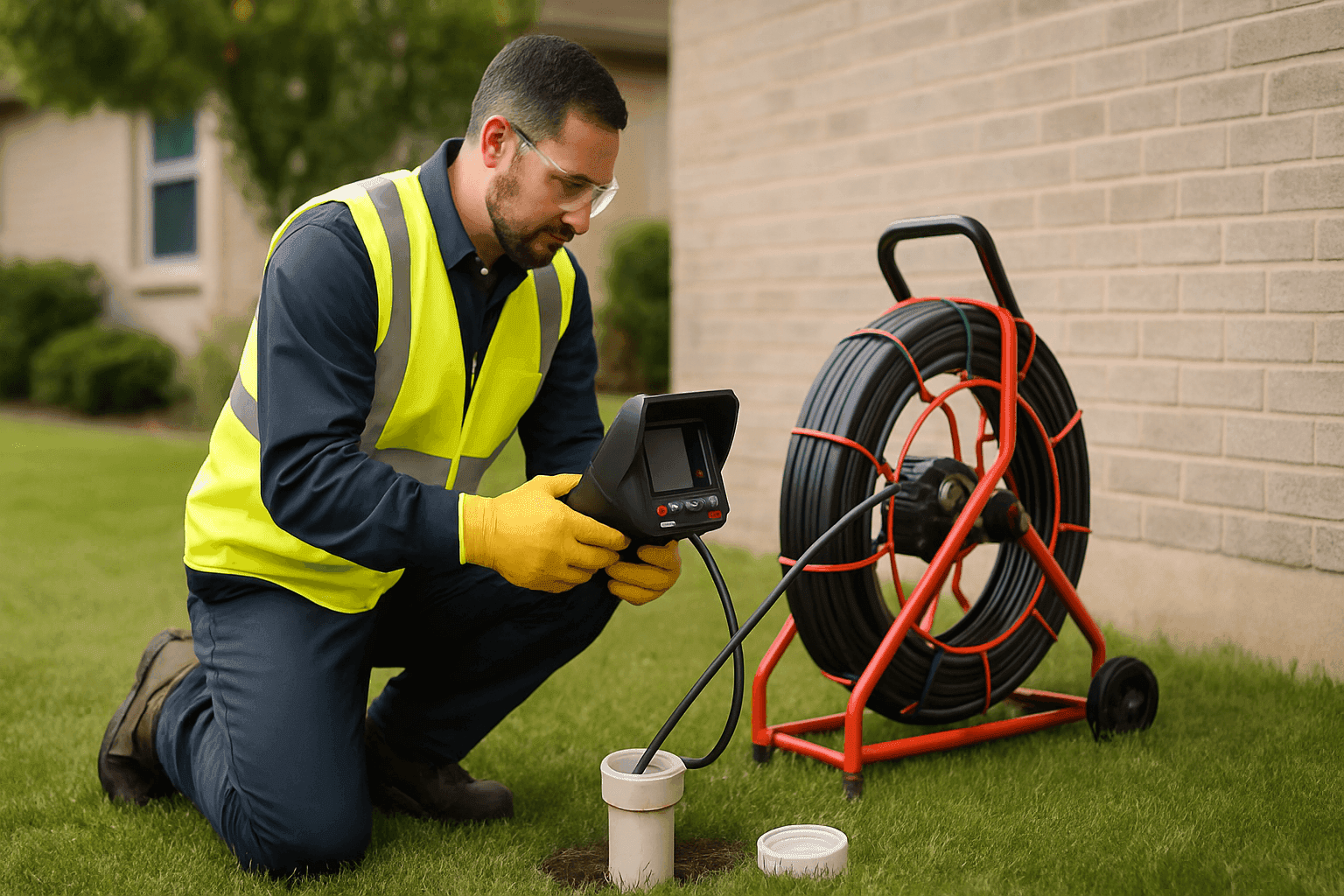
Is there anything worse than discovering your basement has become a swimming pool? Sewer backups can strike fast—and the mess, smell, and stress can linger for weeks. At Real Flow Plumbing, we’ve seen it all and know how quickly a small clog can spiral into a full-blown disaster.
Protecting your home starts with understanding the warning signs and knowing how to act. Let’s break down what causes sewer backups, what to watch for, and how to keep your plumbing flowing smoothly.
What Causes Sewer Backups? 🚨
Think of your home's plumbing as a network of busy highways. When traffic moves freely, life is good. But one stalled car—a clog, a root, a collapsed pipe—can block the entire route.
Main culprits behind sewer backups:
- Clogs: Everyday debris like grease, wipes (even “flushable” ones), and hair can slowly choke your pipes.
- Tree Roots: Roots crave moisture and can slip into tiny pipe cracks, growing until they block flow.
- Aging Pipes: Old, corroded, or cracked pipes are more likely to fail or collapse.
- Heavy Rain or Flooding: Excess water can overload the main sewer line, pushing it back toward your home.
- Improper Connections: Gutters, sump pumps, or French drains tied into your sewer line can overwhelm it.
The result? Water and waste with nowhere to go—except back into your house.
Quick Sewer Safety Checklist
When it comes to sewer backups, a little vigilance goes a long way. If you spot trouble early, you can often dodge disaster.
Watch for these warning signs:
- Drains gurgling or draining slowly (especially in the basement)
- Unpleasant odors from sinks, tubs, or floor drains
- Water backing up in shower, toilet, or basement drains
- Multiple fixtures clogging at once
- Patches of extra-green grass or soggy spots outside
If you notice any of these, don’t wait. Acting quickly can keep a small problem from becoming a major headache.
DIY or Call a Pro?
Some plumbing fixes are as simple as plunging a toilet. But sewer line problems? That’s a different beast.
DIY fixes you can try safely:
- Use a plunger for minor toilet or sink clogs
- Pour boiling water down the drain (never in a toilet or on PVC pipes)
- Check and clear out visible debris in drain traps
But avoid:
- Chemical drain cleaners—they can corrode pipes and harm the environment
- Snaking main sewer lines without experience
- Ignoring recurring problems
If you’re dealing with repeated backups, foul odors, or water coming up from drains, it’s time to bring in the professionals. Sewer issues can be dangerous and messy. Real Flow Plumbing is trained to handle these situations safely and cleanly.
What Pros Do On Arrival
When you call for a Sewer Line Inspection, a Real Flow Plumbing technician arrives ready to act.
Here’s what you can expect:
- Assessment: We’ll ask about recent issues and inspect your fixtures.
- Camera Inspection: Using specialized cameras, we look inside your pipes for blockages, roots, or breaks.
- Locating the Problem: Our techs pinpoint the exact trouble spot—no guesswork.
- Clearing the Blockage: We use professional-grade augers or hydro-jetting to clear pipes safely.
- Preventive Advice: Once the immediate danger is gone, we’ll share steps to keep it from returning—often recommending Backflow Prevention devices if needed.
We follow all local plumbing codes and safety recommendations, including guidance from the Uniform Plumbing Code (UPC).
Prevention & Maintenance Tips
Think of sewer maintenance like brushing your teeth—routine care prevents big problems. Here’s how to keep things flowing:
- Never flush wipes, feminine products, or paper towels. Even “flushable” wipes can clog pipes.
- Keep grease out of drains. Pour it into a can, let it solidify, and toss it.
- Install drain screens to catch hair and debris.
- Schedule regular Sewer Line Inspection—especially in older homes or houses with big trees nearby.
- Consider a backflow prevention device. This acts like a one-way gate, stopping city sewer backups from flowing into your home.
Routine checks by licensed plumbing professionals ensure your system is up to code and in good shape.
Costs & Time Factors
Wondering about the price tag and timeline? Sewer fixes vary a lot, depending on the cause:
- Minor clogs: Sometimes cleared within an hour.
- Camera inspections: Usually fast, but essential for accurate diagnosis.
- Root removal or major repairs: Can take several hours—or a few days if excavation is needed.
Repairs for severe backups may involve cleanup, pipe replacement, or even restoration of damaged areas. Investing in maintenance and early detection often saves thousands in repair costs down the line.
When It’s an Emergency
When water starts rising where it shouldn’t, it’s time to act fast.
Call a plumber immediately if:
- Multiple drains back up at once
- Sewage or dirty water is visible in your home
- You smell gas or suspect a gas leak (leave immediately and call emergency services)
Don’t try to fix sewer line breaks or major backups yourself. The risks—contamination, structural damage, and even electrical hazards—are too high. Real Flow Plumbing is available for Emergency Plumbing when you need us most.
Frequently Asked Questions
How often should I have my sewer line inspected?
Most homes benefit from a professional inspection every 1–2 years, especially if you have older pipes or large trees near your sewer line. If you’ve had problems before, schedule more frequent checks.
What’s the difference between a clog and a backup?
A clog is a blockage in a single pipe or fixture. A backup means the main sewer line is blocked, and wastewater is coming back up into your home.
Are backflow prevention devices required?
Some local building codes require backflow devices, especially in flood-prone areas. Even if not required, they’re highly recommended for added protection.
Can tree roots really break through pipes?
Yes! Roots are powerful and persistent. They can slip into tiny cracks and expand, causing major blockages or even breaking the pipe apart.
Local and Seasonal Considerations
In the Midwest, heavy spring rains and rapid snow melts can overload city sewers and put homes at higher risk for backups. If you live in areas like Junction City, Kansas Sewer Line Inspection, consider annual spring checks and backflow device testing. In autumn, falling leaves and root growth can also increase risk—stay proactive!
Protect Your Home with Real Flow Plumbing
A sewer backup isn’t just an inconvenience—it’s a health hazard and a major disruption. Regular maintenance, smart habits, and timely inspections are your best defense.
If you notice warning signs or want peace of mind, reach out to Real Flow Plumbing. Our licensed team is ready to help with everything from Gas Safety Checks near you to emergency sewer repairs.
Call Real Flow Plumbing now — or reach us anytime at 877-879-7039 .