Preventative Plumbing Maintenance: Top Tasks for Every Homeowner
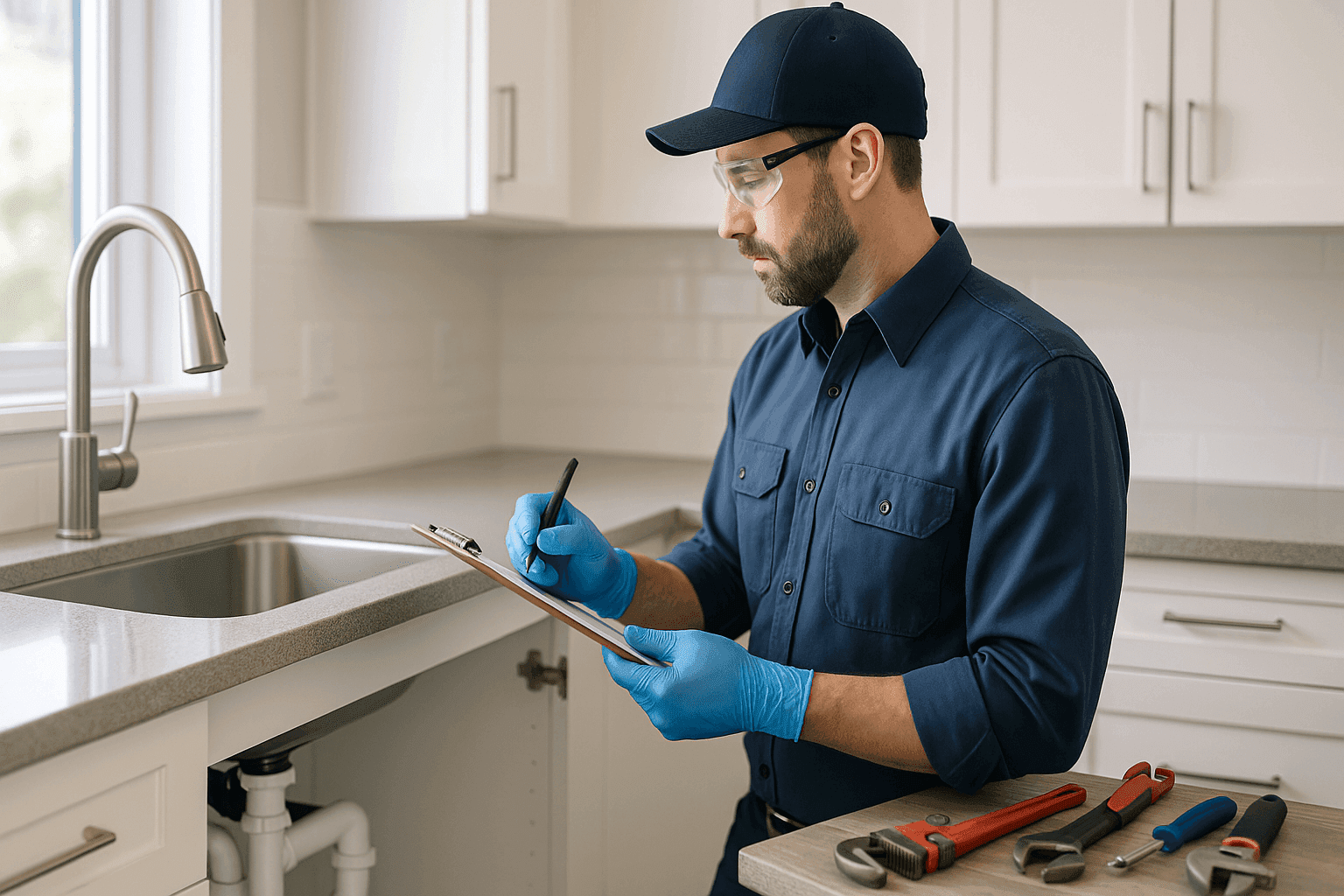
Every homeowner knows the feeling—a dripping faucet at 2 am, a slow drain before guests arrive, or the surprise puddle under the sink. Plumbing issues rarely wait for a convenient moment. But here’s the truth: most major headaches start small and quiet. At Real Flow Plumbing, we believe in empowering you to spot the warning signs, take action early, and keep your home’s plumbing flowing smoothly all year.
Let’s break down smart, simple maintenance habits that save you money, spare you stress, and help you sleep better at night.
The Hidden Risks Lurking in Your Pipes
Your home’s plumbing is like your body’s circulatory system. Out of sight, but vital. Small blockages and leaks are like high blood pressure—easy to ignore until they cause real damage. Neglecting annual and seasonal checkups can lead to burst pipes, water damage, mold, and soaring repair bills.
Think of regular plumbing maintenance as routine exercise for your house. Just a little effort pays off, keeping problems at bay and your mind at ease.
The Quick Safety Checklist 🛠️
Here are the must-do tasks for every homeowner, grouped by season and urgency. Skipping these is like leaving your car unserviced for years—don’t risk it.
Spring & Fall:
- Inspect all visible pipes for moisture, corrosion, or greenish stains.
- Check for slow drains in sinks, showers, and tubs.
- Test outdoor faucets and hoses for leaks after winter.
- Ensure your sump pump is ready for spring rains.
Year-Round:
- Listen for strange noises from your water heater or boiler.
- Look for mold or musty odors near plumbing fixtures.
- Test water pressure in every faucet and shower.
- Examine toilets for constant running or phantom flushes.
- Check cabinets and vanities for dampness or water stains.
Annual Musts:
- Schedule a professional leak detection and drain cleaning.
- Have a plumber perform a full fixture inspection and backflow test.
- Test all shutoff valves to ensure they work smoothly in an emergency.
- Get Gas Safety Checks near you if you have gas appliances.
A few minutes each season can help avoid the chaos of a midnight flood.
DIY or Call a Pro? Knowing Your Boundaries
Some plumbing tasks are like mowing the lawn—easy, satisfying, and safe. Others are more like rewiring your home’s electric panel: best left to the experts. If you’re handy, try these:
- Tightening loose faucet handles.
- Cleaning sink aerators and showerheads.
- Clearing minor hair clogs with a plastic snake.
- Replacing worn-out washers on garden hoses.
But call a professional for:
- Persistent leaks or damp spots you can’t trace.
- Water heater repairs (scalding risk!).
- Gas line issues—always a danger.
- Main drain blockages or repeated clogs.
- Sewer line smells or slow drains in multiple rooms.
When in doubt, remember: water and gas don’t forgive mistakes. The Preventative Maintenance in Spring Hill, Tennessee page has more on local support.
What Professionals Do On Arrival
When Real Flow Plumbing visits your home for preventative maintenance, here’s what you can expect:
- Full inspection of all accessible pipes, valves, and fixtures.
- Pressure testing to spot hidden leaks.
- Water heater safety check and flush (as recommended by manufacturer).
- Assessment of drain lines with professional tools.
- Testing and certification for backflow prevention devices.
- Review of your home’s plumbing code compliance (referencing International Plumbing Code and local statutes).
- Clear, honest guidance about any needed repairs or upgrades.
An annual visit is like a checkup for your house—catching problems before they become disasters.
Prevention & Maintenance: Your Action Plan
A little prevention goes a long way. Here’s how to keep your plumbing healthy:
- Set reminders on your phone for spring and fall checks.
- Keep a simple log of what you find—dates, odd sounds, or leaks.
- Install drain strainers in showers and sinks to catch hair and debris.
- Know where your main shutoff valve is (and make sure everyone does).
- Avoid pouring grease or harsh chemicals down the drain.
- Insulate exposed pipes before winter to prevent freezing.
- Schedule annual professional drain cleaning for peace of mind.
Remember, even high-quality pipes need care to last.
Plumbing Costs & Time: What to Expect
Worried about the bill? Good news: routine maintenance is far more affordable than emergency repairs. Most simple checks and cleanings take under two hours. Catching a small leak early can save hundreds—sometimes thousands—over time.
- Minor fixes (like faucet leaks): quick and low-cost.
- Professional leak detection: typically a half-day job.
- Water heater tune-ups: usually done in under two hours.
- Sewer line inspections: more involved, but crucial for older homes.
A little time now saves a lot of time (and stress) later.
When It’s an Emergency
Sometimes, plumbing problems can’t wait. If you notice:
- Sudden loss of water pressure everywhere.
- Gushing water or visible major leaks.
- Gas smell near any appliance or line.
- Sewage backup in drains or toilets.
Shut off your main valve immediately and call for emergency plumbing. Don’t risk your home or safety.
FAQ: Smart Homeowner Questions
How often should I have my plumbing inspected?
Most pros recommend an annual checkup, with extra attention before and after winter.
Are chemical drain cleaners safe?
Not really—most can damage pipes and harm the environment. Manual or professional drain cleaning is safer.
Can I check for leaks myself?
Yes! Look for damp spots, listen for running water, and check your water meter. But hidden leaks need pro-grade tools.
What’s the best way to avoid clogs?
Use drain strainers, avoid grease, and schedule regular maintenance. Prevention is always cheaper than repair.
Local & Seasonal Plumbing Tips
Every region has its quirks. In areas with freezing winters, insulate pipes in unheated spaces. If you live where storms are frequent, get your sump pump checked each spring.
For Spring Hill, Tennessee, and similar climates, remember that heavy summer rains and cold snaps can stress older pipes. Regular Preventative Maintenance in Spring Hill, Tennessee is key.
Take Charge of Your Plumbing Health
Your home is your haven. With a little vigilance and the right schedule, you can keep your plumbing running quietly in the background—just as it should.
Ready for peace of mind?
Call Real Flow Plumbing now — or reach us anytime at 877-879-7039 .