Preventing Water Damage When Pipes Burst: Fast Action Steps
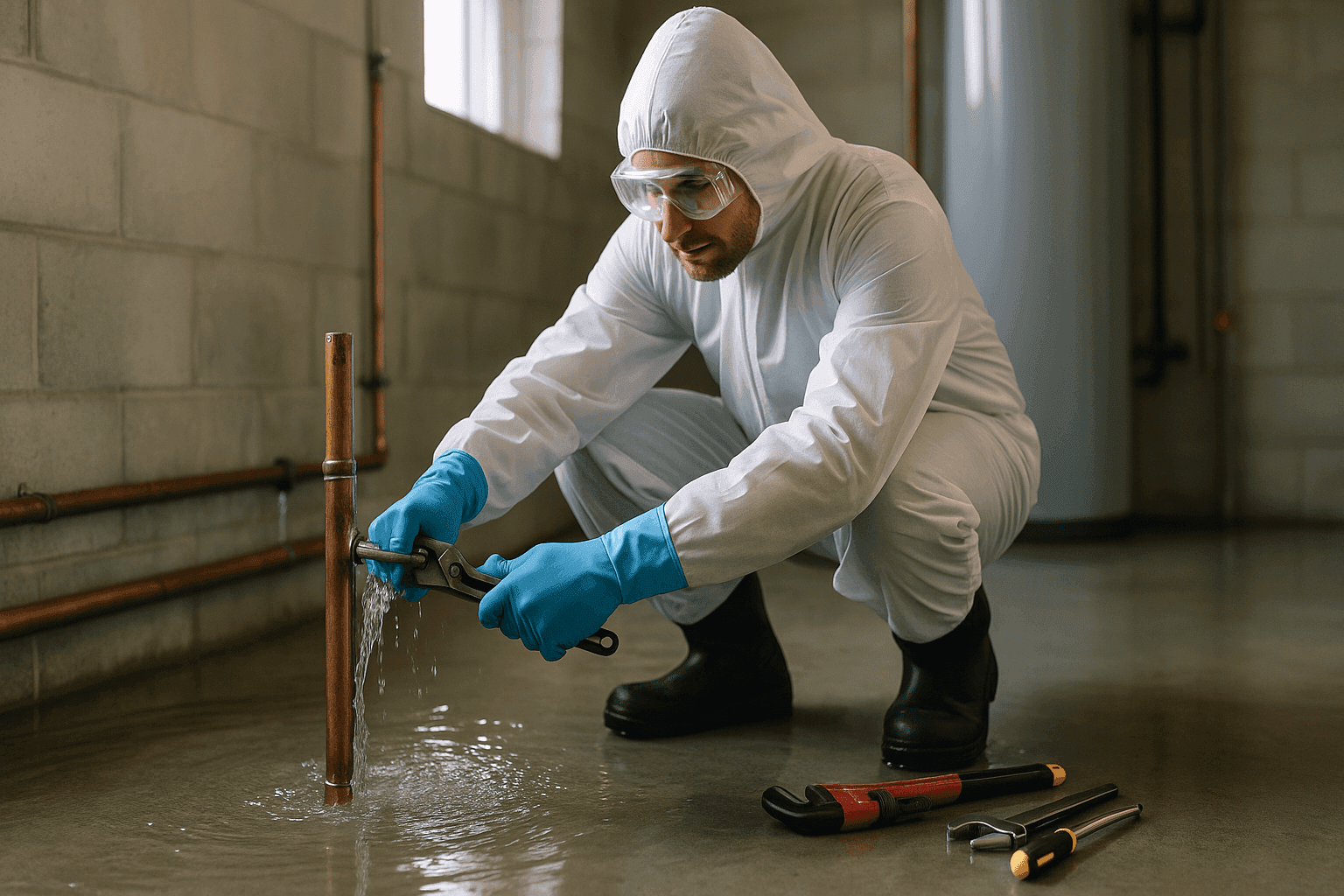
Water moves fast. When a pipe bursts, it can feel like a tidal wave just hit your home. Heart pounding, carpets soaked, ceiling dripping. You’re left standing in the middle of a mess—wondering what to do next.
At Real Flow Plumbing, we know how overwhelming it is. Every minute counts. This guide walks you through the urgent steps you can take to shut down disaster, keep your home safe, and know exactly when to call for help.
Signs a Pipe Has Burst
Sometimes a burst pipe is obvious—a spray of water, a flooded floor. Other times it’s sneakier. Here’s what to watch for:
- Sudden drop in water pressure
- Strange sounds in the walls (hissing, banging, rushing water)
- Damp spots on floors, walls, or ceilings
- Pools of water under sinks or appliances
- Mildew smell or visible mold patches
- Water stains that seem to grow
Think of it like a warning light on your car’s dashboard. Don’t ignore the signals, even if you’re not sure where the problem starts.
Immediate Safety Checklist 🛑
When disaster strikes, stay calm and move step by step. Here’s your quick safety checklist:
- Shut off the main water valve—usually found near the water meter, basement, or crawl space.
- Turn off electricity to affected areas if water is near outlets or appliances. Safety first. If you can’t reach the breaker safely, wait for a professional.
- Move belongings—lift furniture, rugs, electronics, and valuables away from wet areas.
- Contain the water with towels, buckets, or whatever is handy.
- Open windows and doors to help dry things out and reduce humidity.
- Document the damage with photos or video for your insurance claim.
Time is your best friend here. The sooner you act, the less you’ll have to fix later.
DIY vs. When to Call a Pro
Some leaks are just a slow drip. Others are a gushing river. How do you know when it’s time to pick up the phone?
Go DIY if:
- The leak is tiny, and you can clearly see the source.
- You’re comfortable using a pipe clamp or plumber’s tape for a temporary fix.
- The water is clean (not from sewer lines).
Call a professional when:
- The break is hidden inside walls or ceilings.
- The pipe is part of your gas line or near electrical wiring.
- Water won’t stop after you close the main valve.
- You see water near the breaker box, fuse panel, or electrical outlets.
- There’s sewage or a foul smell (this can pose serious health risks).
Plumbing repairs often require specialized tools and a sharp eye. For true emergencies, our emergency plumbing team is available around the clock.
What Pros Do On Arrival
When Real Flow Plumbing arrives, you get a calm, steady hand in the storm. Here’s what happens next:
- Assessment: We locate the burst pipe, check for additional leaks, and assess water damage.
- Containment: We use professional-grade vacuums, pumps, and barriers to stop water from spreading.
- Pipe repair or replacement—using code-approved materials and techniques.
- Safety checks: We ensure no electrical hazards remain and test for gas leaks if the break was near a line.
- Moisture measurement: We use sensors to find hidden damp spots—stopping mold before it starts.
- Cleanup guidance: We’ll help you understand next steps for drying, restoration, and insurance.
We follow standards from the International Plumbing Code (IPC) and National Fire Protection Association (NFPA) to keep your home safe and up to code.
Prevention & Maintenance Tips
The best way to handle a burst pipe? Don’t let it happen in the first place. Here’s how to stack the odds in your favor:
- Insulate exposed pipes—especially in unheated basements, garages, or crawl spaces.
- Let faucets drip during deep freezes to prevent pressure buildup.
- Seal cracks and gaps in outside walls to keep cold air away from pipes.
- Schedule regular plumbing inspections—a simple checkup can spot trouble before it starts.
- Know your home’s plumbing layout (where the main shutoff and gas lines are).
- Replace old pipes (think corroded copper or brittle polybutylene) before they fail.
For residents wanting peace of mind, Real Flow Plumbing offers pipe repair and preventative maintenance options.
Costs & Time Factors
Every burst pipe is different. Some fixes are quick, others take longer—especially if water has soaked into floors or walls.
What affects cost and repair time?
- Location of the pipe (easy to reach or buried in walls)
- Extent of water damage (surface only or structural)
- Type of pipe material (PVC, copper, galvanized steel)
- Size of the break (pinhole vs. full rupture)
- Cleanup and restoration (drying, mold prevention)
Most emergency plumbing visits take a few hours for assessment and immediate repair. Full restoration, especially for major water damage, can take days or weeks.
When It’s an Emergency
Wondering if your situation is urgent? If water is pouring out, you’ve lost pressure in the whole house, or there’s a risk to your electrical or gas lines, treat it as an emergency. Fast action can save floors, walls, and even your foundation.
Greenbelt, Maryland Emergency Plumbing services from Real Flow Plumbing are available day and night for urgent situations.
FAQ
How can I find my main water shutoff valve?
Look near your water meter, in the basement, crawl space, or where the main line enters your home. It’s usually a round or lever-style valve. If you’re not sure, ask your plumber to point it out during your next inspection.
Will insurance cover water damage from a burst pipe?
Most homeowner policies cover sudden, accidental water damage but not gradual leaks. Document everything and contact your insurer as soon as possible.
Can a burst pipe cause mold?
Yes. Mold can start growing within 24–48 hours in damp conditions. That’s why drying and professional moisture checks are so important.
Do I need a permit for pipe repair?
For major repairs or repiping, local codes may require a permit. Real Flow Plumbing always works within applicable building and safety regulations.
Local & Seasonal Considerations ❄️
If you live in a region with freezing winters, burst pipes are most common during cold snaps. Insulation and vigilance are key. In older homes, pipes may be more vulnerable due to age or outdated materials.
Even during milder seasons, unexpected pressure changes or aging pipes can cause breaks. Schedule regular Gas Safety Checks near you and keep your plumbing in top shape all year.
When a pipe bursts, every minute matters. Don’t wait for the water to win. Call Real Flow Plumbing now — or reach us anytime at 877-879-7039 .