Repiping vs. Pipe Repair: How to Make the Right Choice
Is your plumbing system whispering—or maybe shouting—for help? If you’re hearing strange noises in the walls, spotting water stains on the ceiling, or just tired of endless leaks, it’s time to decide: repipe or repair?
At Real Flow Plumbing, we understand how stressful these choices can feel. Pipes are the lifelines of your home. We’re here to help you spot the signs, weigh your options, and make the right decision for your family’s comfort and safety.
When Are Your Pipes Trying to Tell You Something? 🚨
Pipes don’t last forever. Over time, they wear out, corrode, or get damaged—sometimes quietly, sometimes with a dramatic burst. Here are some of the most common warning signs:
- Frequent leaks: If you’re calling for pipe repair every few months, your pipes may be on their last legs.
- Rusty or discolored water: Brown or yellow water can mean corrosion inside your pipes.
- Low water pressure: Multiple fixtures affected? It might be buildup or a hidden leak.
- Unpleasant odors: Persistent smells could signal a sewer line issue.
- Strange noises: Banging, clanking, or gurgling pipes aren’t just annoying; they’re a red flag.
If you notice any of these, it’s time to act. Small problems can turn into big messes fast.
Quick Safety Checklist: Know the Risks
Before you decide between pipe repair and repiping, check for these safety issues:
- Wet spots on floors, walls, or ceilings
- Mold or mildew growth (even in odd places)
- Unexplained spike in water bills
- Water stains around fixtures or in the basement
- Unusual taste or smell in your tap water
If any apply, don’t wait. Some pipe problems can lead to water damage, electrical hazards, or even structural issues. The Uniform Plumbing Code and local safety regulations are clear: address leaks quickly to keep your home safe.
DIY or Call a Pro? Making the Right Move
Some minor plumbing issues, like a single dripping faucet or a loose fitting, might tempt you to DIY. But here’s the truth: most pipe problems hide where you can’t see them. A quick patch can mask a much bigger issue lurking behind the walls or under the floor.
DIY is okay for:
- Tightening visible fittings
- Replacing a washer
- Unclogging minor blockages
Call a professional plumber if you have:
- Recurring leaks
- Old or corroded pipes
- Water pressure issues throughout the house
- Signs of water damage or mold
A licensed plumber has the tools and experience to diagnose the real problem, not just the symptom.
What Professionals Do When They Arrive
When you call Real Flow Plumbing, we don’t just fix what’s broken—we look at the whole picture. Here’s what to expect:
- Assessment: We inspect visible and hidden pipes, often using leak detection equipment and small cameras.
- Diagnosis: Isolated issue or a sign of widespread failure? We’ll let you know.
- Options: Sometimes a simple pipe repair is the answer. Sometimes repiping is the safer long-term bet.
- Clear explanations: We’ll walk you through the pros and cons of each, including expected costs, disruption, and timelines.
- Code compliance: All work meets current plumbing codes and safety standards.
Pipe Repair vs. Repiping: The Practical Differences
Pipe Repair
- Best for: Isolated leaks, small cracks, or minor corrosion in relatively new pipes
- Process: Fix just the damaged section—less invasive, quicker turnaround
- Disruption: Usually minimal; often completed in a few hours
- Cost: Lower upfront, but may add up if repairs are frequent
Repiping
- Best for: Widespread leaks, old or corroded pipes, low water pressure throughout the house
- Process: Replace all or most of your plumbing pipes; more labor-intensive
- Disruption: Can take several days, with some access to walls and floors required
- Cost: Higher upfront, but saves money and headaches over time with fewer future repairs
Material Options: What Will Last?
Today’s homes use a range of pipe materials. Each has its pros and cons.
- Copper: Durable, long-lasting, and resists bacteria. Can be more expensive.
- PEX (cross-linked polyethylene): Flexible, affordable, and quick to install. Not ideal for outdoor use.
- CPVC: Good for hot and cold water, but can be brittle in very cold climates.
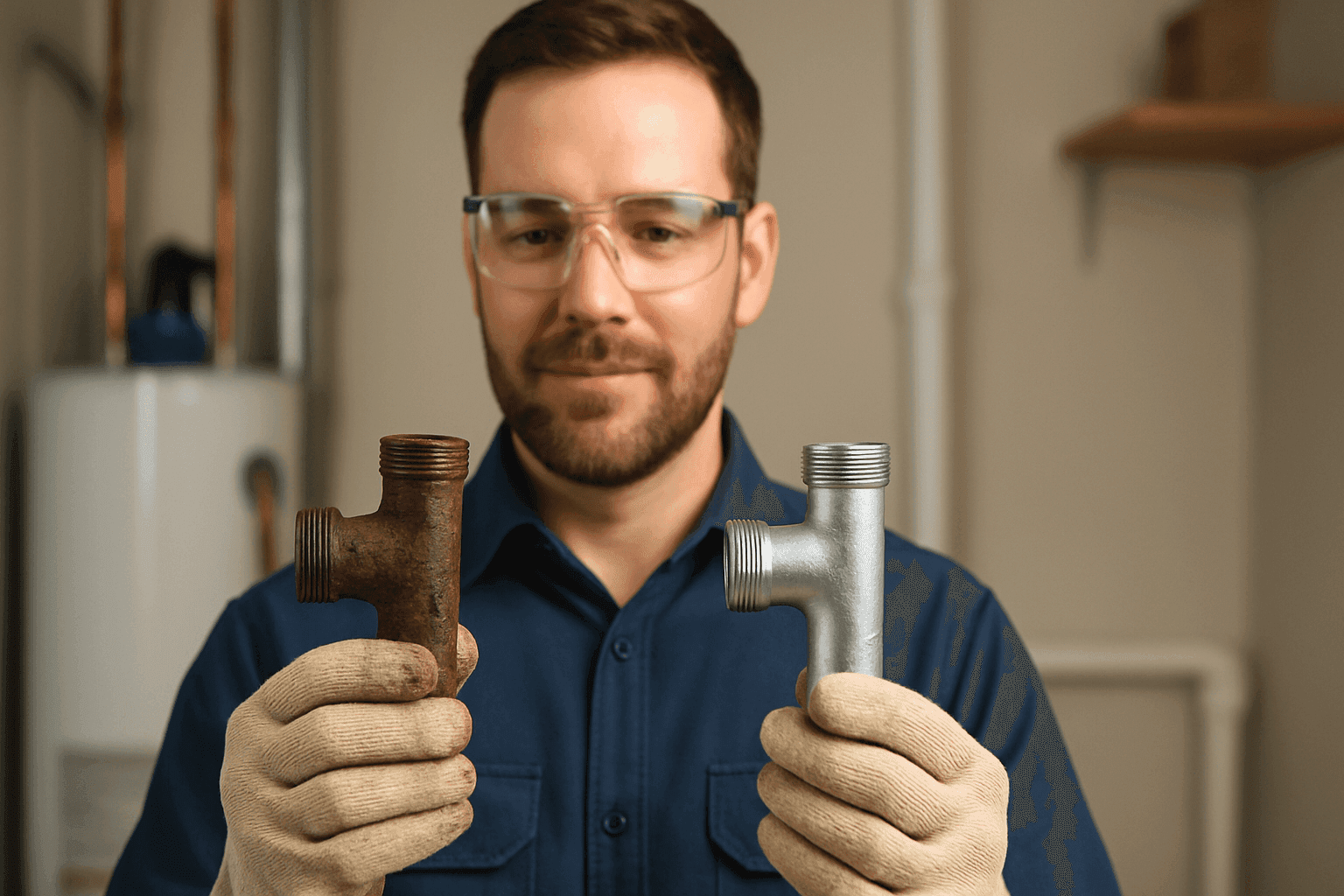
- Galvanized steel: Common in older homes. Prone to corrosion and buildup—often a reason for repiping.
A professional can help you pick what fits your home, budget, and local code requirements.
Costs & Time Factors: What Should You Expect?
Every home is different. A pipe repair might cost less than replacing a broken appliance, while a full repiping can be a bigger investment—more like a new roof. Here’s what affects the price and timeline:
- Extent of the problem: One leak? Many? All pipes old?
- Pipe material: Copper costs more than PEX. Labor times vary, too.
- House size and layout: Two bathrooms or five? Basement or crawlspace?
- Accessibility: Pipes hidden behind walls, under floors, or in tight spaces take longer.
Pipe repairs often wrap up in half a day to a day. Repiping can take two to five days, depending on your home’s size and complexity. We’ll always keep you informed, so there are no surprises.
When It’s an Emergency
Burst pipe in the middle of the night? Gushing water under the sink? Quick action matters.
- Turn off your main water valve immediately.
- Move valuables away from water.
- Call Real Flow Plumbing for emergency plumbing service.
We’re here to help anytime—day or night—when water just can’t wait.
Prevention & Maintenance: How to Keep Your Pipes Happy
An ounce of prevention is worth a gallon of cleanup. Here’s what works:
- Schedule annual plumbing checkups—especially for homes 30+ years old.
- Fix leaks quickly. Small drips can become big headaches.
- Know where your main water shutoff valve is. It’s your first line of defense in a crisis.
- Be gentle on your garbage disposal and avoid pouring grease down the drain.
- Ask about water filtration systems to prevent mineral buildup.
The International Association of Plumbing and Mechanical Officials (IAPMO) recommends regular inspections for safe, reliable plumbing.
FAQ: Your Pipe Questions Answered
Q: How do I know if I need a repair or a whole-house repipe?
A: If you have frequent leaks, rusty water, or very old pipes (especially galvanized steel), repiping is often the smarter, safer long-term solution. For isolated leaks in newer pipes, repairs might be enough.
Q: Will my water be turned off during work?
A: For most repairs, only the affected area is shut off briefly. For repiping, we’ll coordinate with you for minimal disruption.
Q: What’s the lifespan of new pipes?
A: Copper and PEX pipes can last 40–70 years with proper care. Regular maintenance makes all the difference.
Q: Can I upgrade just some pipes, or do I have to do the whole house?
A: Partial repiping is sometimes possible, especially in additions or remodels. We’ll help you weigh cost, convenience, and future needs.
Local and Seasonal Considerations
Cold winters? Old pipes? Homes in freeze-prone regions are more likely to suffer burst pipes. In older neighborhoods, original plumbing may be overdue for an upgrade. Water quality, soil conditions, and even local construction codes can affect what’s right for your home.
If you’re searching for “Gas Safety Checks near you” or have questions about water pressure, remember: every home tells a unique story. We’re ready to listen.
Not sure what your pipes are telling you? Whether you need quick pipe repair or full repiping, Real Flow Plumbing offers honest guidance for your home.
Call Real Flow Plumbing now — or reach us anytime at 877-879-7039 .