When to Replace vs. Repair Your Old Pipes
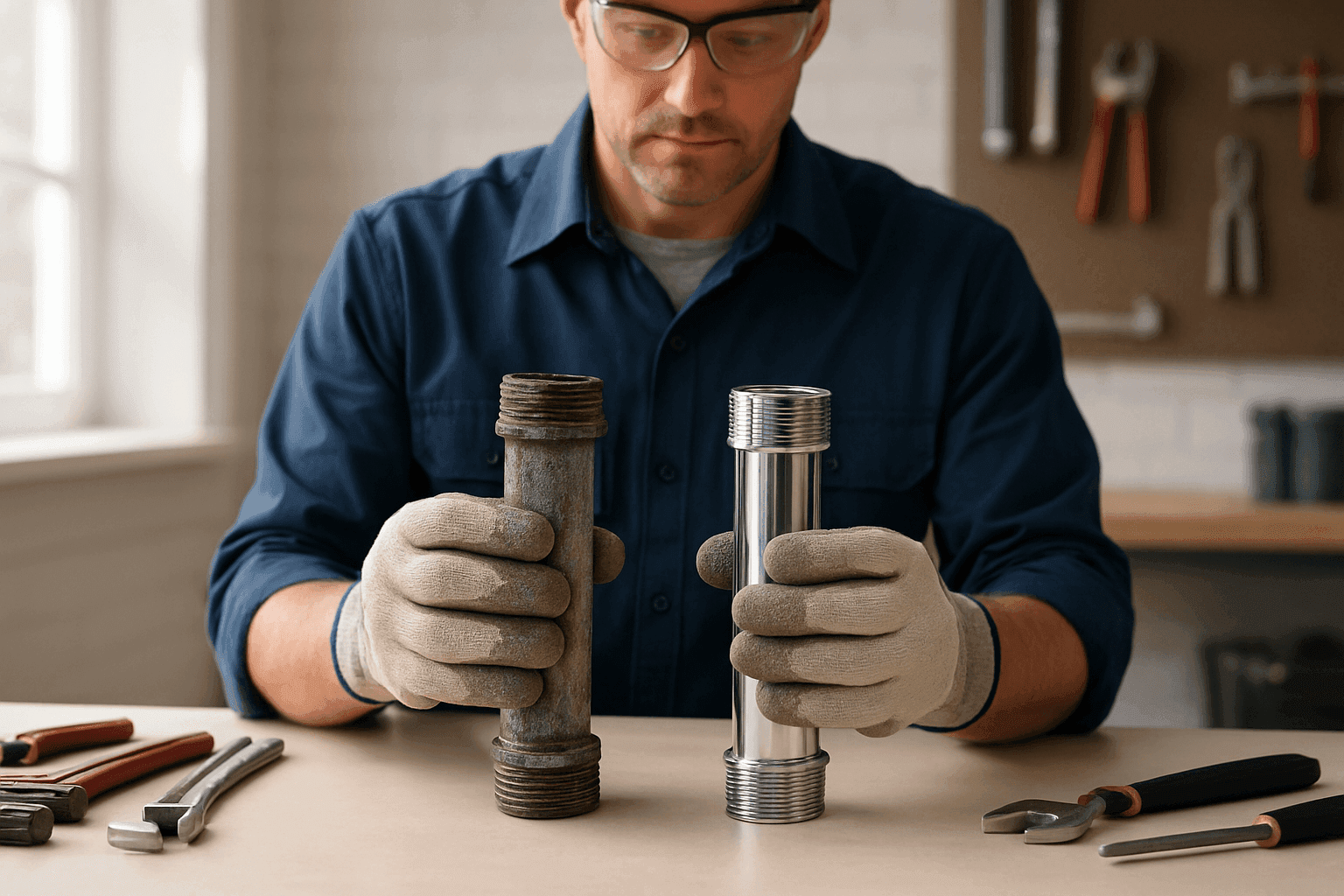
Is your home’s plumbing feeling more like an unpredictable old garden hose than a reliable waterway? If you’ve patched leaks only to find new ones springing up, you’re not alone—and you’re not out of options. Choosing between repairing and replacing your pipes isn’t just about what’s cheapest today. It’s about protecting your home, your wallet, and your peace of mind for years to come.
At Real Flow Plumbing, we understand how overwhelming these decisions can be. Let’s walk through the facts together, so you’ll know exactly what to expect—no guesswork, just clear answers.
Pipe Lifespan by Material 🏠
Some pipes are marathon runners. Others barely make it around the block. The material of your pipes sets the pace for how long you can rely on them.
- Copper: 50–70 years. Prone to pinhole leaks from corrosion, especially with acidic water.
- Galvanized Steel: 20–50 years. Rusts from the inside out. Expect issues after 40 years.
- PVC (Plastic): 25–40 years. Not susceptible to rust, but can get brittle and crack over time.
- PEX: 40–50 years. Flexible and resistant to mineral buildup, but UV light can weaken it.
- Cast Iron: 75–100 years (for drain lines). Heavy and durable, but vulnerable to internal corrosion and clogs.
If your home’s pipes are nearing their material’s retirement age, it’s time to start paying close attention. The plumbing code (like the IPC and UPC) provides guidelines, but local conditions affect real-world lifespans.
Warning Signs
Your pipes rarely send a formal invitation before they fail. Instead, they give subtle (and not-so-subtle) clues. Here’s what to watch for:
- Frequent Leaks: If you’re calling for pipe repair more than once a year, it’s a red flag.
- Discolored Water: Rusty, brown, or yellow water means corrosion is likely inside your pipes.
- Low Water Pressure: Mineral buildup or pinhole leaks can choke water flow.
- Visible Corrosion or Stains: Greenish or white deposits on copper, or rust spots on steel.
- Unpleasant Odors: Musty or metallic smells, especially after water sits overnight.
- Noisy Pipes: Banging, clanging, or gurgling—your pipes are crying for help.
If these issues are popping up all over your plumbing, not just in one spot, patching won’t solve the root problem.
Repair vs. Replace Cost 💡
A quick repair can feel like a bargain. But if you’re patching leaks every season, the costs (and headaches) add up fast.
When Repair Makes Sense
- A single, accessible leak.
- Pipes are well within their expected lifespan.
- No sign of widespread corrosion or damage.
When Replacement Is Smarter
- Multiple leaks or bursts in different areas.
- Pipes are at the end of their service life.
- Water damage is threatening walls, floors, or the foundation.
- Your water fails lead or safety tests.
Repiping can seem costly upfront, but it may save thousands in water damage, mold remediation, and ongoing repairs. Pipe repair or pipe installation is the go-to for local, isolated issues. For a whole-home solution, repiping is the long-term fix.
Tip: Ask your plumber for a detailed estimate comparing both options. Factor in future repair risk and potential insurance savings.
Benefits of Repiping
Repiping is like swapping out the tired old arteries of your house for brand-new lifelines. Here’s what you gain:
- Reliable Water Pressure: Consistent showers—no more dribbles or surprise temperature swings.
- Better Water Quality: Say goodbye to rusty taste and stains on your fixtures.
- Peace of Mind: Fewer emergencies. Lower risk of leaks, bursts, and water damage.
- Home Value Boost: Modern plumbing is a strong selling point if you move.
- Code Compliance: Old pipes may violate current safety or lead regulations.
Repiping also lets you address other plumbing upgrades at the same time, like adding water filtration systems or relocating fixtures.
The Importance of Professional Evaluation 🛠️
Replacing pipes isn’t a DIY project. Licensed plumbers use inspection cameras, leak detection equipment, and pressure tests to spot problems hidden behind walls or under floors. They also know local building codes—critical for safe, legal work.
A pro evaluation can reveal whether your pipes are holding on, or if you’re one drip away from a major leak. The right plumber will never pressure you into unnecessary work, but will help you weigh the long-term costs and benefits.
If you’re searching for Repiping near me, ensure your contractor is licensed, insured, and familiar with both modern materials and older plumbing systems.
Practical Tips for Homeowners
- Know Your Home’s Plumbing Age: Keep records or ask for an inspection if you’re unsure.
- Watch for Patterns: One leak can be a fluke, but recurring issues mean bigger trouble.
- Don’t Ignore Water Quality: Any sudden change deserves a professional look.
- Schedule Preventative Maintenance: Annual check-ups catch small problems before they grow.
References & Resources
- International Plumbing Code (IPC)
- Uniform Plumbing Code (UPC)
- EPA Lead and Copper Rule
- Local building and safety codes
Conclusion
Your home deserves reliable plumbing that works as hard as you do. When the warning signs pile up, don’t just patch and pray. Get a professional opinion—and invest in a solution that lasts. Real Flow Plumbing is here to help you make the right call, whether that’s a targeted repair or a whole-home repipe.
Call Real Flow Plumbing now — or reach us anytime at 877-879-7039 .