How to Safely Unclog a Toilet Without Chemicals
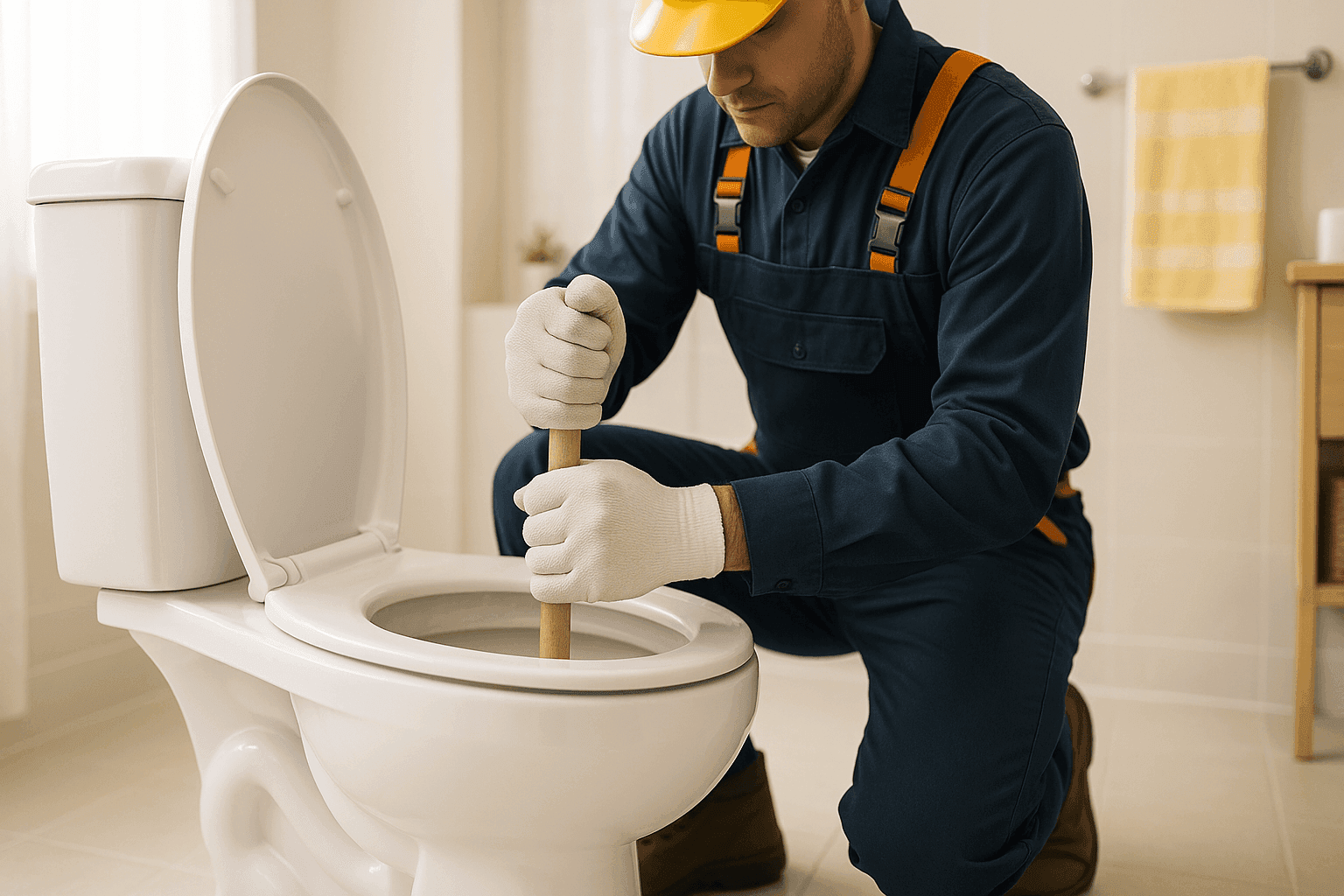
Is there anything quite as panic-inducing as a clogged toilet? You press the handle. The water rises. Your heart skips, and you wonder: Will it overflow? What now?
At Real Flow Plumbing, we understand how urgent and stressful these moments can be. The good news? Most clogs can be cleared without harsh chemicals—and without risking your pipes or the planet.
Why Chemical-Free Matters
Pouring chemicals down your toilet might seem like a quick fix. But those harsh cleaners can eat away at pipes, pollute water, and leave behind a mess worse than what you started with. Chemical reactions in a small, enclosed bathroom? Not great for your lungs either. By learning a few safe, effective tools, you’ll keep your plumbing in shape and your home healthy.
Quick Safety Checklist 🛑
Before you tackle that stubborn clog, take a breath and check:
- Gloves on? Always wear rubber gloves—bathrooms are full of germs.
- Ventilation: Open a window or turn on the fan.
- Clear the area: Remove rugs, towels, and anything in the splash zone.
- Right tools ready: Plunger? Bucket? Maybe a toilet auger?
- No mixing chemicals: If you’ve already tried a commercial product, don’t add anything else. Chemical reactions can be dangerous.
- Water shutoff knowledge: Know where the shutoff valve is—just behind the toilet, usually.
When DIY Works—and When to Call a Pro
There’s a sweet spot for do-it-yourself. Most bathroom clogs happen close to the surface—too much toilet paper, a stray toy, or a wad of wipes. If water is draining slowly or just not at all, try these classic, chemical-free methods:
1. The Plunger: Your Best Friend
Think of a plunger as the superhero cape for your bathroom. Here’s how to use it right:
- Pour enough water into the bowl to cover the plunger’s rubber cup.
- Position the plunger snugly over the drain hole and push down slowly. Then pull up sharply without breaking the seal.
- Repeat with steady, even pressure. Listen for that satisfying gurgle—it means you’re winning.
2. Hot Water (Not Boiling!)
Sometimes, a bucket of hot tap water (not boiling—boiling water can crack porcelain) does wonders. Carefully pour it from waist height into the bowl. The force and heat help break up soft clogs.
3. Toilet Auger (Plumber’s Snake)
For stubborn blockages, a toilet auger can reach deeper. Insert the flexible end into the toilet and turn the handle gently. You’ll feel resistance—keep turning until the clog gives way.
Never use wire hangers. They scratch porcelain and can make things worse.
If you’ve tried these and the water still refuses to budge, it’s time to call in Unclogging Toilets near me in Hopkinsville, Kentucky. Sometimes, what’s stuck is far down the drain or a sign of a bigger plumbing issue.
What Not to Flush—Ever
Like putting shoes on your hands, some things just don’t belong. Keep your plumbing safe by never flushing:
- Wipes (even “flushable” ones)
- Paper towels
- Feminine hygiene products
- Dental floss
- Cotton balls or swabs
- Cat litter
- Grease or oil
- Toys, wrappers, or anything plastic
Stick to toilet paper—used sparingly.
What Pros Do When They Arrive
A professional plumber brings tools and experience that go beyond the basics:
- Assessment: We look for underlying issues—like blocked vent stacks or tree roots in the line.
- Specialized tools: High-powered augers, inspection cameras, and sometimes hydro-jets (for major blockages).
- Safety and cleanliness: Mats and disinfectants protect your home.
- Advice: We’ll explain what caused the clog and how to avoid a repeat.
For detailed service information, see our unclogging-toilets or toilet-repair pages.
Prevention & Maintenance Tips 🌱
Stopping clogs before they start is easier than you think:
- Only flush toilet paper. Remind kids, too!
- Use less paper per flush.
- Keep a small trash can in the bathroom.
- Regularly check for leaks or slow drains (these are early warning signs).
- Schedule preventative plumbing inspections or [Gas Safety Checks near you] for peace of mind.
A little care now keeps your pipes running smoothly later.
Costs & Time Factors
How long should a DIY fix take? Most home toilet clogs clear within 15–30 minutes using a plunger or auger. Hot water can take a bit longer—wait 10–15 minutes for it to work. If you call a plumber, they’ll typically resolve simple clogs in under an hour. More complex problems—like sewer line blocks—can take longer.
Costs vary based on the severity of the clog and your location. Remember, using the wrong tools (or chemicals) can turn a $100 fix into a $1,000 repair. Always weigh your comfort level before tackling a big job.
When It’s an Emergency
Some situations need help—fast. Don’t wait if you notice:
- Toilet water rising toward the rim and not draining
- Repeated clogs in multiple fixtures at once (could mean a main line backup)
- Sewage smell or water backing up into showers or sinks
- Overflowing onto the floor (risk of water damage and bacteria)
In these cases, shut off the water supply to the toilet and call for emergency plumbing services immediately.
Frequently Asked Questions
How can I prevent future clogs?
Flush only human waste and toilet paper. Avoid overuse of paper and keep wipes, cotton, and other debris out.
Are chemical drain cleaners safe for toilets?
No. Many can damage pipes, kill helpful bacteria in your septic system, and harm the environment. Always choose mechanical methods first.
What if plunging doesn’t work?
Try a toilet auger. If that fails, the clog may be deeper or more severe—call a plumber.
Can I use vinegar and baking soda?
These are less harsh than commercial chemicals, but often less effective on tough clogs. If you try this, use hot (not boiling) water to help things along.
Local & Seasonal Plumbing Considerations
In Kentucky and surrounding areas, seasonal changes can impact plumbing. Cold winters may lead to frozen pipes—which can cause clogs or leaks. Heavy spring rains? They can overwhelm sewer lines. If you notice slow drains after weather shifts, get your pipes checked.
If you’re searching for Unclogging Toilets near me in Hopkinsville, Kentucky, Real Flow Plumbing is ready to help year-round, rain or shine.
A clogged toilet can feel like the end of the world—but with the right knowledge and a little patience, you can solve most problems safely and simply. If you hit a snag or worry about bigger issues, don’t hesitate.
Call Real Flow Plumbing now — or reach us anytime at 877-879-7039 .