Sewer Line Inspection vs. Repair: When Is Each Needed?
Are your drains slower than a parade on a rainy day? Maybe you’ve noticed funky smells wafting from the basement—or worse, a patch of muddy ground in the yard with no rain in sight. Sewer line issues don’t just sneak up. They shout. But understanding when you need a sewer line inspection, and when it’s time for repair, can be the difference between a minor inconvenience and a major plumbing disaster.
At Real Flow Plumbing, we help homeowners cut through the confusion. Let’s break down the signs, steps, costs, and smart decisions that protect your home and your budget.
How Do You Know There’s a Sewer Problem? 🚨
Sewer lines work behind the scenes, carrying waste away from your home. But when something’s off, your house will let you know. Here are common warning signs:
- Slow Drains Everywhere: If one sink is slow, it’s probably a clog. But if every drain in your home gurgles and lags, it’s time to pay attention.
- Gurgling Toilets: That bubbling noise means air is trapped—often from a blockage or break in the main line.
- Sewage Odors: A healthy plumbing system never smells. Bad odors coming from drains, the basement, or the yard are a red flag.
- Soggy Spots in the Yard: A leaking sewer line can saturate the soil, causing unexplained wet patches, lush grass, or even sinkholes.
- Backups or Flooding: Sewage in your tub or basement is a plumbing emergency. Don’t wait—this is serious.
If you notice one or more of these, it’s time to consider a sewer line inspection.
Quick Safety Checklist Before You Act
- Turn off water supply if you see active flooding.
- Keep kids and pets away from affected areas.
- Avoid using plumbing fixtures until the issue is checked.
- Don’t use chemical drain cleaners—these can make things worse.
- Gather details: when did the problem start, and which fixtures are affected?
Sewer Line Inspection vs. Repair: What’s the Difference?
Sewer Line Inspection
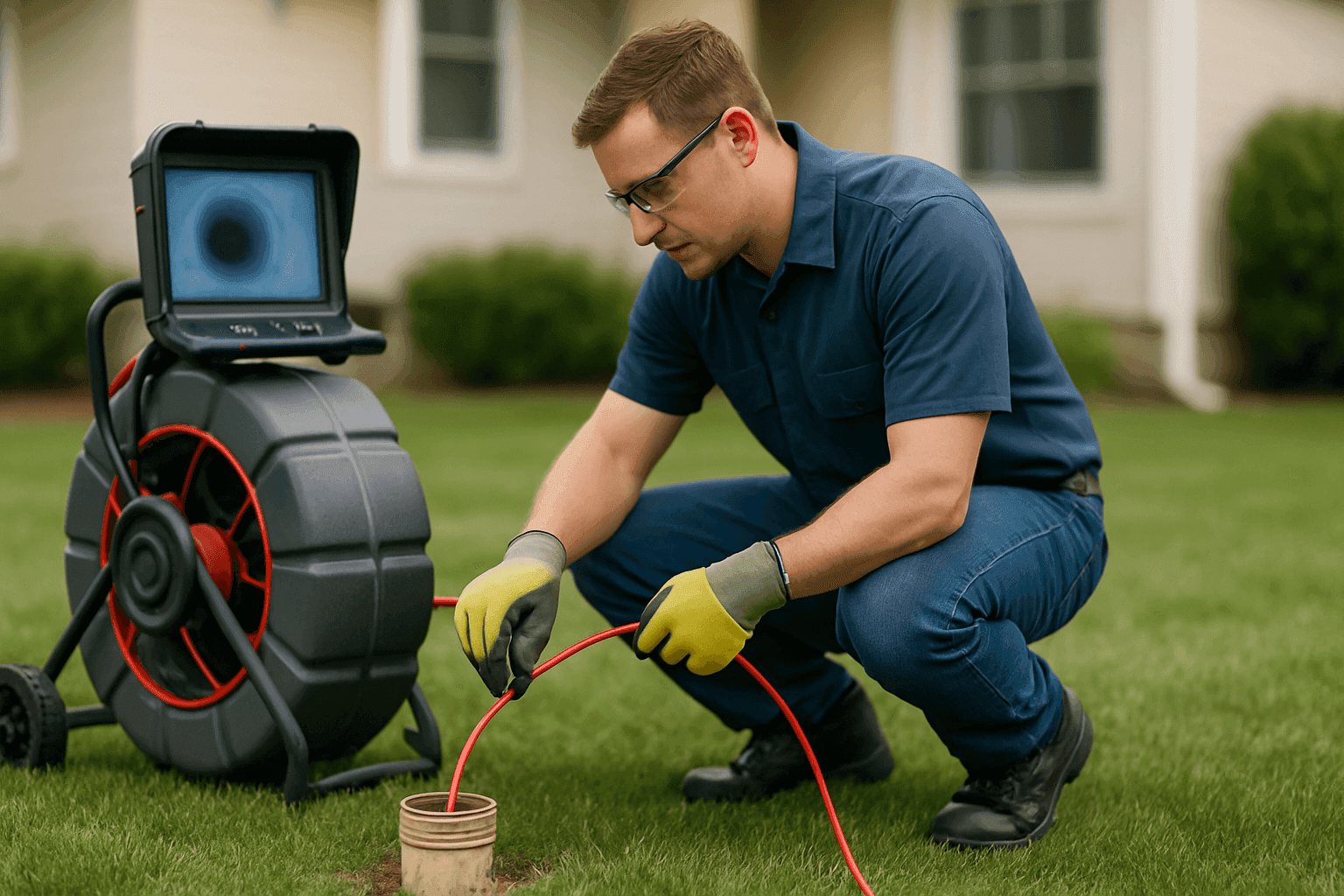
Think of a sewer inspection like a doctor using an X-ray. Plumbers use a high-definition camera, snaking it through your pipes to see what’s really going on under the surface. This technology allows us to:
- Spot blockages, cracks, roots, and corrosion—without digging up your lawn.
- Pinpoint exactly where and what the problem is.
- Document pipe condition for insurance or home sale purposes.
- Provide video evidence so you can see the issue firsthand.
Regular inspections can prevent emergencies—and are often required after a certain age of home, after major storms, or before buying/selling property. The National Association of Home Builders recommends regular plumbing checks for older homes.
Sewer Line Repair
Repair is needed when inspection finds a real problem. This isn’t minor—sewer line repair can mean:
- Digging up and replacing broken or collapsed pipes.
- Sealing cracks or joints using trenchless technology (where possible).
- Clearing major obstructions or tree roots.
- Restoring proper flow and function to protect your home and health.
Repairs range from minor fixes to full replacements. The sooner you act, the less invasive (and expensive) it’s likely to be.
Camera Technology: How It Works
Modern plumbing relies on video inspection. Here’s what happens:
- A flexible camera is inserted into a cleanout or access point.
- The video feed shows real-time footage of your pipes on a monitor.
- The plumber identifies any issues—roots, breaks, buildup, or shifting.
- You get to see the footage, too—so there’s no guessing.
This process is quick and non-destructive. It’s the gold standard for accurate diagnosis.
DIY vs. Call a Pro
It’s tempting to poke around yourself. But with sewer lines, DIY can do more harm than good. Here’s why:
- Depth: Sewer lines are buried deep. Digging without proper knowledge can hit utilities or worsen leaks.
- Health Risks: Exposure to sewage can cause illness.
- Code Compliance: Repairs must follow plumbing codes and often require permits.
- Specialized Tools: Only licensed plumbers have the right cameras and equipment.
If you’re facing repeated clogs, strange smells, or backups, reach out to a professional. For routine maintenance like drain cleaning or minor clogs, you can try a plunger or hand auger—but never chemical cleaners.
If you’re searching for "Gas Safety Checks near you," always ensure the plumber is certified for your safety.
What Pros Do On Arrival
When a Real Flow Plumbing technician arrives, here’s what you can expect:
- Friendly introduction and a walkthrough of your concerns.
- Visual inspection of fixtures, drains, and yard.
- Camera inspection of the main sewer line.
- Clear explanation of findings, with video evidence.
- Honest recommendations—whether it’s a simple cleaning, targeted repair, or full replacement.
Your plumber will also check for related issues, like water pressure problems or backflow risks, to keep your system healthy.
Prevention & Maintenance—Stop Problems Before They Start
A little care goes a long way:
- Don’t flush wipes, hygiene products, or thick paper down the toilet.
- Avoid pouring grease, coffee grounds, or food scraps into drains.
- Plant trees and shrubs away from the main sewer line.
- Schedule regular plumbing inspections—especially in older homes.
- Know the age and material of your sewer line (cast iron, clay, or PVC).
According to the EPA, proper maintenance reduces the risk of leaks and backups, which can contaminate groundwater and cause costly repairs.
For more on protecting your sewer system, see our Sewer Line Inspection near Watertown.
Costs & Time Factors
Every home is different, but here’s what you can expect:
- Sewer Line Inspection: Usually takes 1–2 hours. Cost varies by access and home age, but is often modest compared to repair.
- Sewer Line Repair: Can be as simple as a quick patch or as complex as a full replacement. Time ranges from a few hours (for small fixes) to several days (for major projects).
- Factors Affecting Cost: Depth of the line, location of the problem, pipe material, and whether trenchless repair is possible.
A thorough inspection helps avoid unnecessary repairs—and gives you clarity before making decisions. For details on repair approaches, visit our Sewer Line Repair page.
When It’s an Emergency
Some sewer problems can’t wait:
- Sewage backing up into your home.
- Flooding in the yard or basement.
- High water bills with no obvious leaks.
If this happens, turn off your water, avoid all plumbing use, and call us right away. Fast action prevents property damage and health risks.
FAQ: Sewer Line Inspection & Repair
How often should I schedule a sewer line inspection?
Older homes (40+ years) should be inspected every few years, or if you notice warning signs. Newer homes benefit from a check every 5–10 years or before a sale.
Can I prevent tree roots from damaging my sewer line?
Yes. Plant trees away from pipes, use root barriers, and consider annual camera checks if you have mature landscaping.
Are repairs always invasive?
Not necessarily. Many repairs use trenchless methods, minimizing digging and yard disruption.
Is sewer line repair covered by homeowners insurance?
Sometimes, if the damage is sudden and accidental. Check your policy or consult a licensed plumber for documentation.
Local/Seasonal Considerations
In colder months, frozen ground can delay repairs. Heavy rain can also reveal hidden leaks or weaknesses, especially in older pipes. Schedule inspections before winter, and after major weather events, to catch issues early.
If you’re searching for "Sewer Line Inspection near you," Real Flow Plumbing has the latest tools and local knowledge to help.
A slow drain or strange odor shouldn’t ruin your week. If you suspect sewer trouble, don’t wait—clear answers and real solutions are just a call away.
Call Real Flow Plumbing now — or reach us anytime at 877-879-7039 .