Signs Your Water Heater Needs Repair
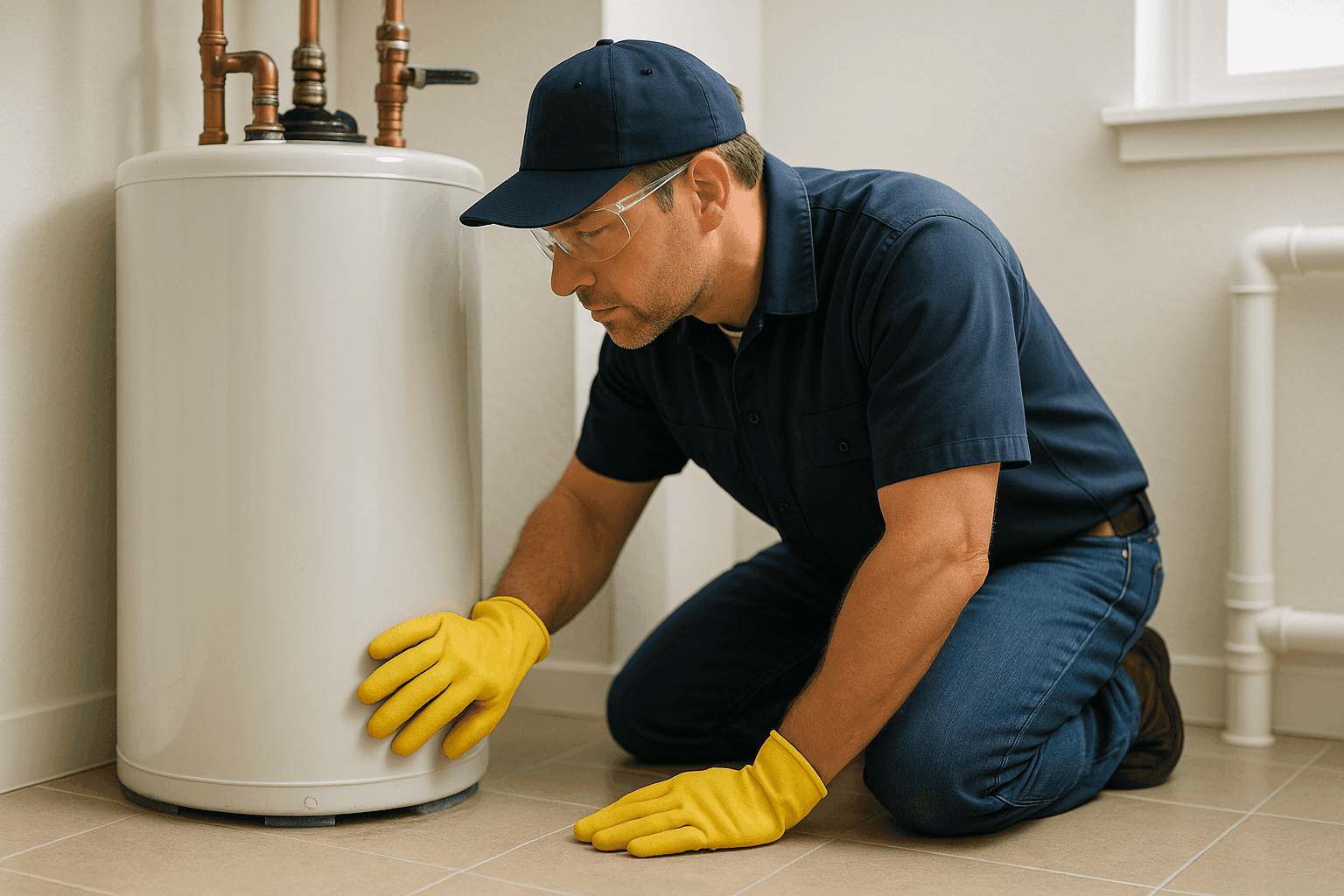
Is your morning shower getting colder by the day? Maybe you’ve noticed strange noises echoing from your basement. Or, even worse, rusty water trickling out of your faucet. These aren’t just annoyances—they’re warning signs your water heater might be crying out for help.
At Real Flow Plumbing, we know the frustration (and risk) that comes with unreliable hot water. You count on your water heater for comfort, hygiene, and peace of mind. That’s why it’s critical to spot issues early. Here’s how you can tell if your water heater needs a checkup—or immediate repair.
Common Symptoms of Water Heater Trouble ⚠️
A water heater is like the heart of your home's plumbing system. When it starts to struggle, you’ll notice some telltale signs. Don’t ignore them—they’re your first clue to bigger problems brewing.
1. Lukewarm (or Ice-Cold) Water
- You’re used to steamy showers, but suddenly, the water just won’t get hot.
- It takes forever for water to warm up, or the heat fluctuates unpredictably.
2. Strange Noises
- Rumbling, popping, or banging sounds—almost like a coffee maker that’s seen better days.
- Sediment build-up at the bottom of the tank is often to blame, causing the unit to overwork.
3. Visible Leaks or Moisture
- Puddles forming around the base of your water heater.
- Dampness on nearby walls or floors, sometimes leading to mold or mildew.
4. Rust-Colored or Dirty Water
- Brown, reddish, or murky water from your hot water taps.
- This can mean rust inside your tank or pipes, which is a sign of corrosion.
5. Foul Odors
- A metallic or rotten egg smell coming from your hot water.
- Bacteria growth inside the tank can cause unpleasant odors.
6. Fluctuating Water Temperatures
- Hot water turns cold in the middle of a shower.
- Water temperature is inconsistent, with no clear pattern.
If you notice any of these, it’s time to pay attention. Small issues quickly become big headaches (and big expenses) if left unchecked.
What Causes These Issues?
Think of your water heater like an old kettle left on the stove too long. Wear and tear is normal, but some things speed up the process.
- Sediment Build-Up: Over time, minerals in your water settle at the bottom of the tank, insulating the burner and causing overheating, noise, and inefficiency.
- Corrosion: Metal tanks are prone to rust, especially if the anode rod is worn out. Rust can eat through the tank and pipes, leading to leaks.
- Faulty Heating Elements: Electric water heaters rely on heating elements, which can burn out or fail.
- High Water Pressure: Excessive pressure stresses the tank and fittings, sometimes causing leaks.
- Age: Most water heaters last 8–12 years. After that, risk of breakdown increases dramatically.
- Poor Installation or Lack of Maintenance: Incorrect setup or skipped annual maintenance can quickly shorten a heater’s lifespan.
According to the International Association of Certified Home Inspectors (InterNACHI), regular maintenance and timely repairs are keys to safe, efficient operation.
When to Call a Pro
Sure, some minor issues—like relighting a pilot light—can be handled by a handy homeowner. But most water heater problems aren’t DIY-friendly.
- Leaks: Any sign of leaking water or moisture means it’s time to call for professional water heater repair.
- Strange Noises: Persistent banging or popping isn’t just annoying—it’s a warning flag.
- Rusty Water: Discoloration signals corrosion, which can lead to sudden failure.
- No Hot Water: If you’re getting nothing but cold water, it’s likely a failed heating element or a bigger problem.
Water heaters involve gas, electricity, and pressurized water—three things that demand respect and know-how. Don’t risk your safety or your home.
Why Timely Repair Matters
A small leak might look harmless, but it can quickly spiral out of control. Water heaters can burst, flood your basement, or even become a fire hazard if ignored. Quick repairs save you money, prevent water damage, and keep your hot water reliable.
Plus, delaying repairs often means higher energy bills. A struggling water heater works overtime, using more gas or electricity than it should. Repairing or replacing failing parts restores efficiency and keeps monthly costs down.
What to Do If You Spot a Problem
- Turn Off Power or Gas: For electric heaters, switch off the breaker. For gas models, turn off the gas supply. This keeps you safe while waiting for a repair.
- Shut Off the Water Supply: Use the cold water shutoff valve above your tank to prevent further leaks or flooding.
- Call a Licensed Plumber: Don’t wait—contact a plumbing professional for immediate help. If you’re searching for “Gas Safety Checks near you” or Water Heater Repair near me in McDonough, Georgia, Real Flow Plumbing is here to help.
How the Pros Fix It
When a Real Flow Plumbing specialist arrives, they’ll:
- Inspect your unit for leaks, corrosion, and sediment build-up.
- Test the thermostat and heating elements.
- Check for gas leaks and verify proper venting (per guidelines from the National Fire Protection Association).
- Recommend repair or replacement, depending on the issue’s severity.
Professionals can also advise when a new water heater installation is the best move for your budget and comfort.
Prevention: Keep Trouble at Bay
An ounce of prevention is worth a pound of cure—especially with water heaters.
- Flush the Tank: Once a year, drain and flush to remove sediment.
- Inspect the Anode Rod: Replace every 3–5 years to prevent rust.
- Check Pressure Relief Valve: Ensure it’s working properly to avoid overpressure.
- Schedule Regular Maintenance: Annual plumbing checkups catch small issues before they grow.
Following local plumbing codes and manufacturer recommendations is essential for safety and efficiency.
Cost & Time: What to Expect
Repairs vary depending on the problem:
- Minor repairs: Thermostat or element replacement can be done in 1–2 hours.
- Major repairs: Leaks, corrosion, or tank replacement may take several hours or require ordering parts.
- Cost factors: Age of unit, severity of damage, and parts availability all play a role.
Replacing an old or severely damaged heater is sometimes more cost-effective than repairing it again and again.
When Is It an Emergency?
- Major leaks or flooding
- No hot water for essential needs (like bathing or sanitizing)
- Strange smells (gas or burning odors)
- Unusual noises that indicate imminent failure
These situations call for immediate attention. Don’t wait—shut off the water and power, then call Real Flow Plumbing right away.
FAQ: Common Water Heater Questions
How long should a water heater last?
Most water heaters last 8–12 years, depending on maintenance and water quality.
Is it safe to repair a water heater myself?
Most repairs should be left to professionals, especially those involving gas, electricity, or high-pressure water.
What’s the difference between repair and replacement?
If your tank is leaking or corroded, replacement is often safer and more cost-effective. Minor issues (like thermostats) can often be repaired.
Seasonal Tips for Local Homeowners
In colder seasons, water heaters work harder. Insulate pipes and the heater itself to reduce strain and prevent freezing. If you’re in an area with hard water, consider a water filtration system to reduce sediment build-up.
Remember, regular maintenance isn’t just about comfort. It’s about safety, efficiency, and protecting your home investment.
Don’t let a failing water heater ruin your day. For prompt, professional plumbing help—including Gas Safety Checks near you—Call Real Flow Plumbing now — or reach us anytime at 877-879-7039 .