Toilet Repair 101: Fixing the Most Common Problems
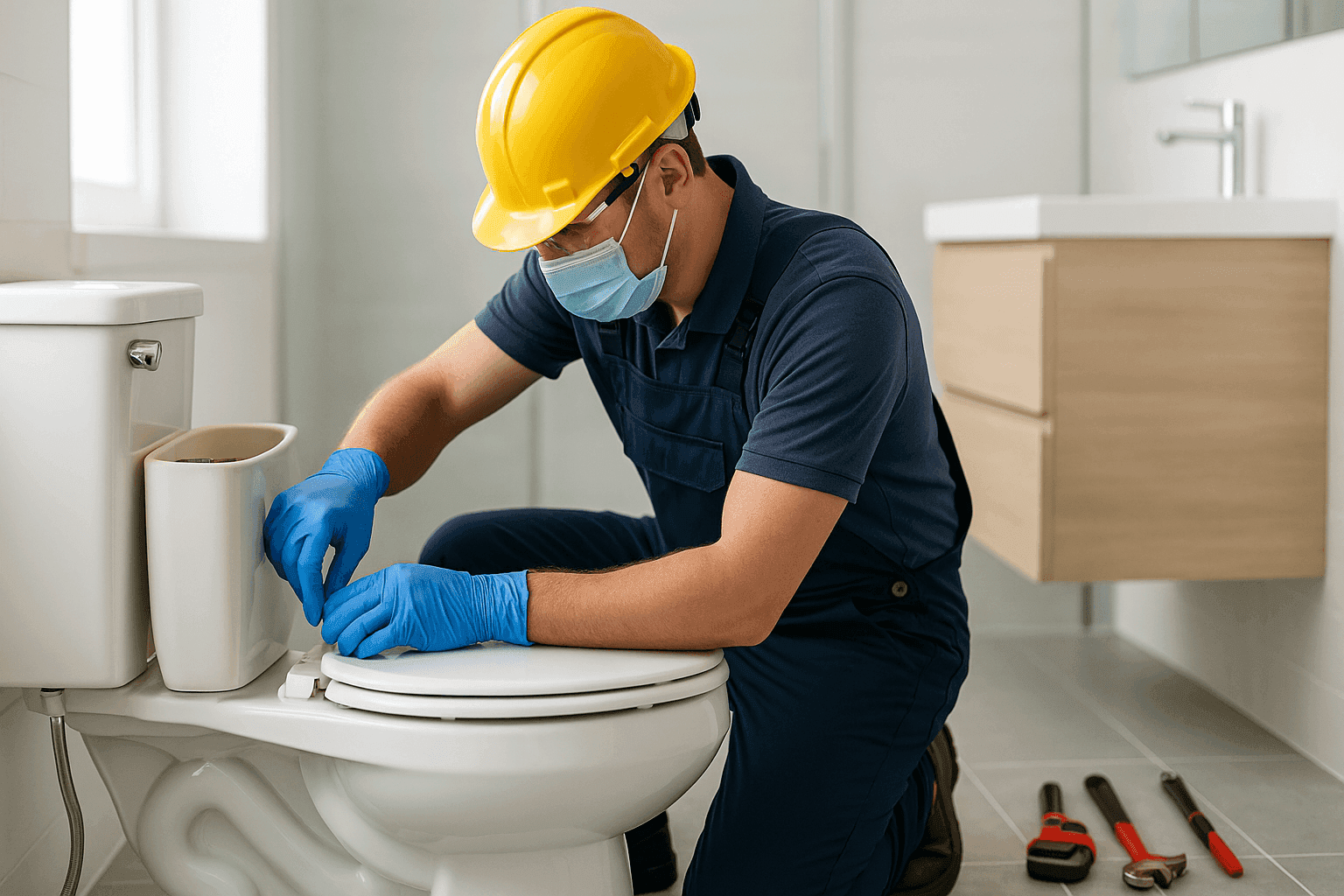
Toilets don’t wait for a convenient time to act up. Maybe it’s a slow drip, a constant hiss, or a clog that just won’t budge. It’s easy to feel outmatched by a stubborn bathroom fixture, but you’re not alone—and you don’t have to panic.
At Real Flow Plumbing, we’ve seen it all. We know how a simple toilet problem can spiral into a headache (and a mess). In this guide, we’ll walk you through common issues, safe DIY steps, and when it’s smartest to hand things off to a professional. Let’s get your bathroom back in working order, fast.
The Most Common Toilet Problems (And What They Mean) 🚽
Toilets are the unsung heroes of the home. When they fail, the disruption is immediate. Here’s what typically brings folks calling for toilet repair near you:
- Running Toilet: The tank never stops filling, so you hear water running long after you flush.
- Leaky Toilet: Water pools around the base, or you spot drips from the tank or supply line.
- Clogged Toilet: Water rises alarmingly high, or nothing goes down at all.
- Weak or No Flush: You push the handle, but the bowl doesn’t clear—or barely moves.
- Phantom Flushes: The toilet seems to flush by itself, with no one around.
Each problem has its own root cause. Some are as simple as a worn flapper or a stuck handle. Others hint at deeper plumbing issues—like a hidden leak, broken seal, or even a blocked sewer line.
Quick Safety Checklist Before You Start
Before you grab a wrench or plunger, take a minute to keep things safe and sanitary:
- Turn off the water supply (valve behind the toilet) if there’s a leak or overflow.
- Wear gloves—even if it looks clean, bacteria can linger.
- Clear the area of rugs, towels, and items you don’t want splashed.
- Keep kids and pets away while working.
- Never use harsh chemicals to unclog; they can damage pipes and are unsafe for septic systems (source: Environmental Protection Agency).
Troubleshooting & DIY Fixes: Step by Step
Some repairs are as simple as replacing a battery in a flashlight. Here’s how to tackle common issues:
Running Toilet
- Check the flapper: Lift the tank lid. If the rubber flapper is warped or doesn’t seal, swap it for a new one (found at any hardware store).
- Adjust the float: If water rises too high, bend the float arm downward or adjust the fill valve.
- Tighten or replace the chain: If it’s too loose, the flapper won’t seat properly.
Leaky Toilet
- Tighten tank bolts: Sometimes, a gentle turn with a wrench solves the drip.
- Replace wax ring: If water pools at the base, the wax ring under the toilet may need replacing. This involves removing the toilet—heavy work, but doable if you’re comfortable.
- Inspect supply line: Look for splits or worn washers and replace as needed.
Weak or No Flush
- Clear rim holes: Mineral buildup can block water flow. Gently clean under the rim with a wire or old toothbrush.
- Check the flapper and chain: As above, a slow leak can weaken flush power.
Clogged Toilet
- Try a plunger: Use a flange plunger (not the cup style). Push down slowly, then pull up sharply.
- Use a toilet auger: For stubborn clogs, a toilet auger (or closet auger) can break up blockages a plunger can’t reach.
If those steps don’t work—or you see water backing up elsewhere in the house—it’s time to call for unclogging toilets near you.
DIY vs. Call a Professional
It’s tempting to tackle every problem yourself. Sometimes, that’s the right move. But here’s when to pause:
- If water won’t stop leaking or you can’t shut off the supply.
- If a clog causes water to back up into the tub or sink.
- If you see rust, cracks, or damage to porcelain or pipes.
- If you need to move or reinstall the toilet (heavy lifting, risk of improper sealing).
- If you’re unsure about any step—especially with gas or water lines.
Remember, improper repairs can lead to bigger issues down the road—like mold, flooring damage, or even unsafe plumbing.
What Pros Do On Arrival
When you call Real Flow Plumbing, here’s what to expect:
- Inspection: We check not just the toilet, but nearby pipes, shutoff valves, and connections.
- Sanitary practices: Gloves, drop cloths, and proper disposal—no shortcuts.
- Correct parts: We carry genuine replacement parts to ensure safe, long-term repair.
- Testing: We’ll flush, fill, and check every connection before we leave.
In some cases, repairs may reveal deeper issues—like root intrusions, sewer line problems, or high water pressure. We’ll walk you through the next steps, always with your home’s safety in mind.
Prevention & Maintenance
A little attention goes a long way. Here’s how to keep your toilet in shape:
- Inspect for leaks monthly. Even a slow drip wastes water (and money).
- Don’t flush wipes, floss, or sanitary products. Only toilet paper breaks down safely (per manufacturer guidelines and Water Environment Federation).
- Clean mineral buildup with vinegar or a gentle cleaner—avoid harsh abrasives.
- Check water pressure. High pressure can strain plumbing and seals.
Regular preventative maintenance plumbing near you services can spot minor issues before they become major headaches.
Costs & Time Factors
Toilet repairs range from a quick DIY fix (10 minutes, a few dollars for a flapper) to more involved jobs like replacing a wax ring or clearing a stubborn clog (1–2 hours, plus parts). Professional repairs typically take under an hour for most issues, unless major parts need replacing or there’s a hidden plumbing problem.
Keep in mind: Delaying repairs can lead to higher water bills, damaged flooring, or the need for full replacement.
When It’s an Emergency
Call for help if:
- Water is overflowing and won’t stop with the valve.
- Sewage is backing up into the toilet or tub.
- You smell gas or suspect a leak while working near the toilet (rare, but possible with older homes).
- You’re unable to safely remove a clog or stop a leak yourself.
Sanitation and safety come first. Don’t wait—unresolved issues can cause damage fast.
FAQ: Toilet Repair
Q: Why does my toilet keep running after I flush?
A: Most often, it’s a worn-out flapper or a misaligned float. These are inexpensive, quick fixes.
Q: What should I do if my toilet is leaking at the base?
A: First, turn off the water supply. Then, mop up water and check for cracks. If it’s coming from under the toilet, the wax ring may need replacing.
Q: Are chemical drain cleaners safe for toilets?
A: No—avoid them. They can damage pipes and are hazardous. Stick to mechanical methods like plungers or augers.
Q: How often should I check my toilet for leaks?
A: Once a month is a good habit. Place a few drops of food coloring in the tank—if color appears in the bowl without flushing, you have a leak.
Local & Seasonal Considerations
Sudden cold snaps? Frozen pipes can cause leaks or cracks in toilet supply lines. In older homes, mineral-rich water in some regions causes buildup that wears out parts faster. If you notice recurring problems, it could signal a bigger issue lurking in your plumbing system.
Looking for Toilet Repair near Suffolk? Real Flow Plumbing is here to help, with fast response and sanitary service.
Toilets shouldn’t be a source of stress or embarrassment. With the right know-how—and a reliable plumber on your side—you can keep your bathroom running smoothly year-round.
Call Real Flow Plumbing now — or reach us anytime at 877-879-7039 .