Water Heater Repair vs. Replacement: How to Decide
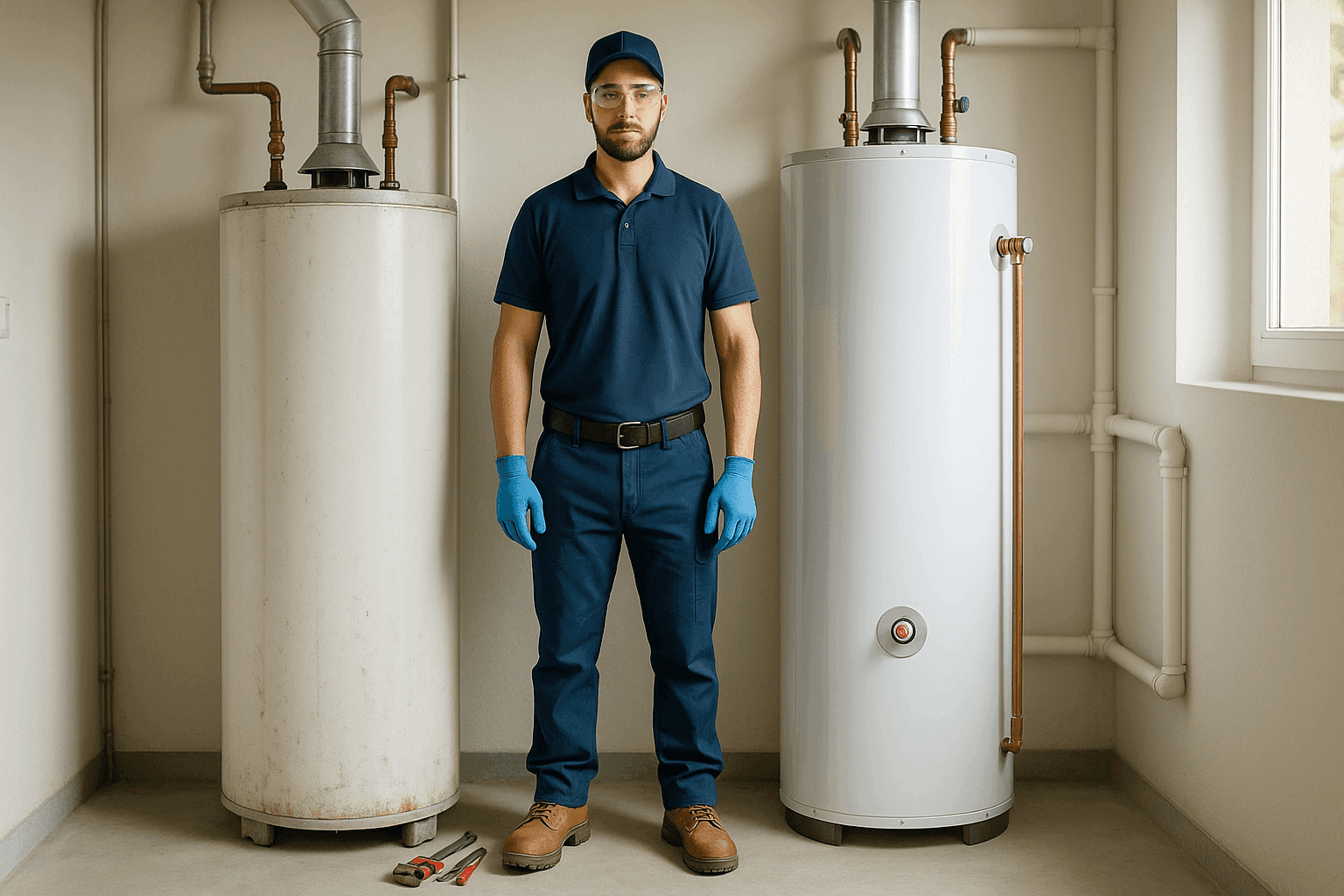
When your water heater groans, leaks, or just won’t deliver that hot shower, the decision hits fast: fix it, or send it out to pasture? You’re not alone—water heater troubles are one of the most common reasons homeowners call for plumbing help.
At Real Flow Plumbing, we know facing this fork in the road can feel overwhelming. Budgets, time, and your family’s comfort are all on the line. Let’s break it down, step by step, so you can make the right call for your home and your wallet.
When Your Water Heater Acts Up: The Real-World Scenario
It starts with a cold shower—or maybe a puddle near your tank. Suddenly, you’re searching for answers. Is this a minor hiccup, or is your water heater waving a white flag?
Think of your water heater like a hardworking teammate. Sometimes it needs a patch-up; other times, it’s time to retire and let a new recruit step in. Making the right decision keeps your home running smoothly and avoids unnecessary costs.
Quick Safety Checklist 🚨
Before you do anything, safety comes first. Water heaters combine high heat, pressure, and sometimes gas—never a combo to mess with lightly.
- Smell gas? Evacuate immediately and call emergency services.
- Leaking water? Turn off the power and water supply to the unit.
- Pilot light out (gas units)? Don’t try to relight if you smell gas—wait for a professional.
- Scalding or no hot water? Don’t ignore—it could signal a malfunctioning thermostat or heating element.
Check the manufacturer’s label for emergency shutdown steps and review the U.S. Consumer Product Safety Commission guidelines if you’re unsure.
Should You Try DIY or Call a Plumber?
Some water heater issues are like a squeaky door—easy enough for a careful homeowner to tackle. Others are more like a cracked foundation: best left to the pros.
DIY-Friendly Issues:
- Resetting a tripped circuit breaker
- Relighting a pilot light (if no gas smell)
- Flushing sediment from the tank (follow manufacturer instructions)
- Adjusting the thermostat
Call a Pro For:
- Persistent leaks
- Rust-colored water
- Rumbling or popping noises
- Gas line issues (never DIY gas!)
- Electrical problems
- Repeated pilot light failures
Remember: Water heaters are under pressure and can cause burns or worse. When in doubt, reach out. Our licensed team at Real Flow Plumbing handles Gas Safety Checks near you every week.
What Pros Do On Arrival
When a plumber arrives, they don’t just glance at your heater—they put it through a health check.
- Visual inspection: Looking for corrosion, leaks, and worn parts
- Testing: Checking thermostat, pressure relief valve, and heating elements
- Code compliance: Ensuring your setup meets current plumbing and safety codes
- Diagnosis: Pinpointing whether a repair or replacement is most cost-effective
If it’s a quick fix, they’ll handle it on the spot. If not, you’ll get a clear assessment of your options—including costs, estimated lifespan, and warranty information.
Prevention & Maintenance: Keep Hot Water Flowing
Water heaters aren’t “set it and forget it” appliances. A little maintenance goes a long way.
- Flush the tank annually to reduce sediment build-up (per manufacturer or Uniform Plumbing Code
- Test the pressure relief valve every six months
- Check for leaks or rust on pipes and connections
- Schedule regular preventative maintenance with a licensed plumber
Staying ahead of problems means fewer cold showers and surprise breakdowns.
Cost & Time: Repair vs. Replacement
Let’s talk brass tacks. Water heater repairs can be as simple as replacing a thermostat or as complex as fixing a leaking tank.
Typical Repair Costs:
- Thermostat or heating element: Lower end of the range
- Leaks or valve replacement: Mid-range
- Tank failure: High end—often not worth repairing
Replacement Costs:
- New tank, permit, and installation: Higher up-front, but may lower energy bills
- Consider efficiency: New models can save you money over time
Time required:
- Repairs: Often same-day
- Replacement: Usually 1 day, including removal, installation, and code checks
Ask about warranty coverage—most tanks have 6–12 year warranties. If your unit is near the end, replacement may make more sense.
When Is It Time to Replace? The Telltale Signs
Not sure if it’s worth fixing? Watch for these clues:
- Age: Most water heaters last 8–12 years.
- Rusty water or tank: Serious warning sign.
- Leaking tank: Usually means replacement.
- Frequent repairs: If you’re fixing it every year, the costs add up.
- Not enough hot water: If your needs have grown, your old tank may not keep up.
If any of these sound familiar, it may be time for a Water Heater Installation.
Environmental Impact: Repair or Replace?
Old water heaters are like gas-guzzling cars—inefficient and hard on the environment. Modern models use less energy and water, saving money and reducing your carbon footprint.
- Repair: Less waste, but only if efficiency isn’t compromised.
- Replacement: Look for Energy Star-rated units, especially heat pump or tankless models.
Proper installation and regular maintenance extend lifespan and limit environmental impact.
When It’s an Emergency
Some situations can’t wait.
- Major leaks or flooding
- No hot water during freezing weather
- Gas leaks or electrical burning smells
In these cases, shut off power and water, then call for Emergency Plumbing immediately.
FAQ: Water Heater Decision-Making
Q: How long should a water heater last?
A: Most units work well for 8–12 years. Past that, replacement is often smarter.
Q: Can I repair a leaking tank?
A: Small leaks from fittings can be fixed. If the tank itself leaks, replacement is usually necessary.
Q: Is it normal for my heater to make noise?
A: Some noise is normal, but loud popping or rumbling signals sediment buildup—schedule maintenance.
Q: Will a new water heater really save money?
A: Newer units are much more efficient. Over time, you’ll often save on utility bills.
Local & Seasonal Considerations 🌨️
Colder locations put heaters through extra stress. In winter, demand peaks and older units may fail. If you’re in a climate with long cold snaps, regular inspections are a must.
If your home’s plumbing is older, consider repiping or a full Sewer Line Inspection to prevent future headaches.
Need help right now? For fast, reliable Water Heater Repair, Real Flow Plumbing is ready.
Don’t let a chilly shower ruin your day. For honest advice and real solutions, Call Real Flow Plumbing now — or reach us anytime at 877-879-7039 .