Why Water Filtration Is Important for Every Home
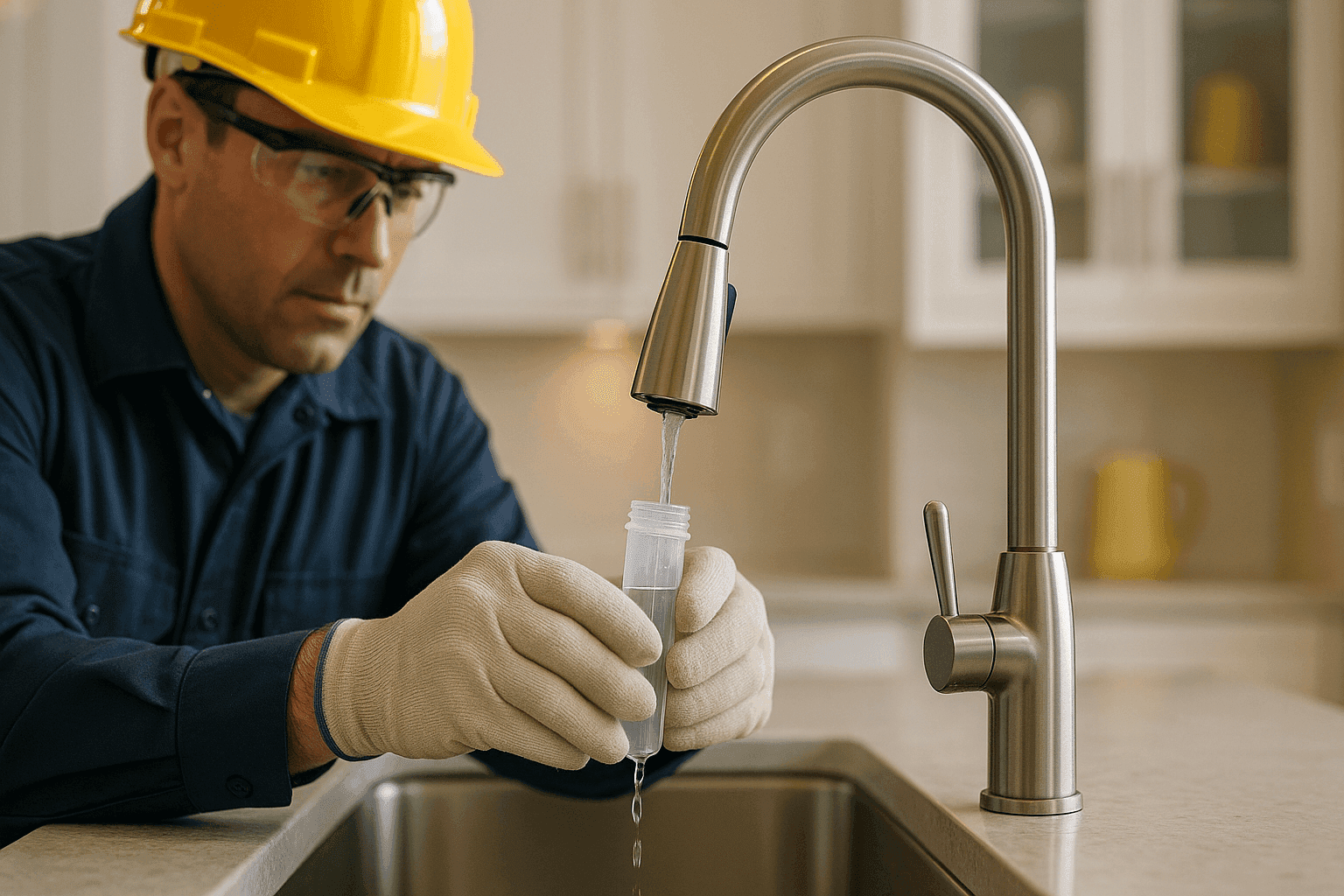
Water is the heartbeat of your home. You drink it, cook with it, clean with it—sometimes without a second thought. But what’s really flowing through those pipes? At Real Flow Plumbing, we hear from families who want more than just “clear” water. They want safe, reliable water they can trust.
If you’ve ever wondered about the unseen stuff in your tap water, you’re not alone. The truth is, water filtration isn’t just a luxury; it’s a smart layer of protection for your health, your appliances, and your peace of mind.
What’s Really in Your Water? 🧐
It’s easy to take water for granted. Turn on the tap, fill a glass, done. But every drop has a story, and sometimes, it’s not a pretty one. Even treated city water or well water can carry:
- Chlorine and chloramines (used for disinfection)
- Sediment and rust from aging pipes
- Lead, copper, and other heavy metals
- Pesticides and industrial runoff
- Microbes like bacteria and viruses
- Odd smells or tastes that make you wrinkle your nose
It’s like letting uninvited guests into your home. You can’t always see them, but their impact adds up over time.
Why Should You Care?
Think about your favorite coffee mug. If it’s dirty, you’d never use it. Now imagine filling it with water that’s not as pure as it looks. Contaminants can build up slowly, causing health concerns or sneaky plumbing issues down the road.
What Does Water Filtration Actually Remove?
A good filtration system is like a bouncer at a nightclub—it only lets the right things in. Depending on the system you choose, filtration can:
- Block out sediment, sand, and silt
- Trap chlorine and chemical byproducts
- Capture heavy metals (lead, mercury, copper)
- Reduce bacteria, parasites, and viruses
- Improve taste, odor, and clarity
According to the Environmental Protection Agency (EPA), water filtration systems can play a major role in reducing risk from contaminants (see EPA’s Water Quality Standards).
Health and Appliance Benefits
Filtered water isn’t just about taste—it’s about trust.
Health
- Cuts down on harmful chemicals and metals that can affect children, seniors, and anyone with sensitive immune systems
- Makes cooking, drinking, and bathing safer and more pleasant
- Lowers the risk of gastrointestinal and skin problems linked to waterborne microbes
Appliances & Plumbing
Think of your appliances as marathon runners. Clean water is their fuel. Without it:
- Scale and mineral buildup shortens the life of water heaters, dishwashers, and washing machines
- Pipes can corrode or clog, leading to costly pipe repairs
- Sink faucets and showerheads lose their sparkle and flow
Filtering water extends the life of your plumbing, cuts down on repairs, and keeps everything running smoothly.
Types of Water Filtration Systems
Choosing the right filter is a bit like choosing a car. It depends on your needs, budget, and where you want the protection.
Main Options
- Whole-house filtration: Cleans all water entering your home. Good for families who want protection at every tap.
- Under-sink filters: Targets kitchen plumbing, great for drinking and cooking water.
- Faucet-mounted filters: Quick, affordable fix for renters or apartments.
- Reverse osmosis: Highly effective at removing a wide range of contaminants.
- Carbon filters: Excellent at improving taste and reducing chlorine.
For most homes, combining whole-house and point-of-use filters (like under-sink units) offers balanced protection.
Quick Safety Checklist
Before installing a filter—or if you’re checking your current setup—keep these essentials in mind:
- Make sure your filter is NSF/ANSI certified (look for the seal on the packaging)
- Replace cartridges as recommended by the manufacturer
- Check for leaks or drips after installation
- Test your water yearly (especially if you use a private well)
- Review your local plumbing code for installation guidelines
DIY vs. Call a Pro
Some filters snap right onto a tap. Others require cutting pipes and connecting to your main water line. Here’s what to consider:
DIY Install
- Can be done with basic tools (for faucet or pitcher filters)
- Lower up-front cost
- Risk of leaks or improper fit if not installed correctly
When to Call Real Flow Plumbing
- For whole-house or under-sink systems
- If you need to tap into your main line or kitchen plumbing
- When local codes require a licensed plumber
- To ensure certified installation and protect your warranty
Remember, water filtration isn’t a “set it and forget it” job. Proper installation protects your investment.
What Pros Do On Arrival
When you call in our team, here’s what you can expect:
- Assessment: We’ll test your water and check your plumbing layout.
- System recommendation: Not all filters fit every need. We match you to the right option.
- Certified installation: We follow all local codes and standards.
- Education: We’ll show you how to replace cartridges and maintain your filter.
- Cleanup: No mess left behind.
Our goal? Reliable water, day after day.
Prevention & Maintenance
A little upkeep goes a long way. Here’s how to keep your system in top shape:
- Change filters on schedule (mark your calendar or set a reminder)
- Watch for changes in taste, odor, or water flow
- Flush the system when swapping filters
- Have a plumber inspect your setup annually
If you ever spot leaks, odd noises, or a sudden drop in water pressure, call for backup. Preventative maintenance today saves money tomorrow.
Costs & Time Factors
How much does water filtration cost? It depends on your setup:
- Faucet or pitcher filters: least expensive, quick install
- Under-sink units: moderate price, takes 1–2 hours to install
- Whole-house systems: higher upfront investment, several hours for professional installation
Don’t forget to budget for replacement filters. Most need a new cartridge every 3–12 months, depending on water quality and usage.
When It’s an Emergency
Water emergencies don’t wait for business hours. If you notice:
- Sudden discoloration or foul smells
- Water that tastes metallic or bitter
- Leaks or flooding near your water main
Stop using the water and call for help. Emergency plumbing services can prevent damage and keep your family safe.
FAQ: Your Water Filtration Questions Answered
How do I know if my tap water is safe?
Municipal water supplies are regularly tested, but issues can still arise. Check your utility’s annual water quality report. Private well users should test water yearly.
How often should I change my filter?
Follow the manufacturer’s guidelines. Most filters last 3–12 months, but higher usage or poor water quality can shorten that span.
Can filtration help with hard water?
Yes and no. Standard filters remove sediment and chemicals, but hard water minerals may require a separate water softener.
Where can I find Water Filtration Systems near me?
You can find trusted Water Filtration Systems near me or explore our water filtration systems page for more information.
Local and Seasonal Considerations
In some regions, seasonal flooding or drought can affect water quality. If you notice changes after heavy rain or during dry spells, get your water tested. Rural homes on well systems should be especially vigilant—groundwater can carry extra sediment or microbes after storms.
Regular maintenance and annual testing are your best defense, wherever you live.
Pure water is more than just a taste—it’s a foundation for your home’s health. Whether you want peace of mind for your family or longer life for your appliances, water filtration is a smart step. For advice, certified installation, or just a friendly answer to your plumbing questions, Real Flow Plumbing is ready to help.
Call Real Flow Plumbing now — or reach us anytime at 877-879-7039 .